How to Get a Bonded Title When You Have No Proof of Ownership | 2026
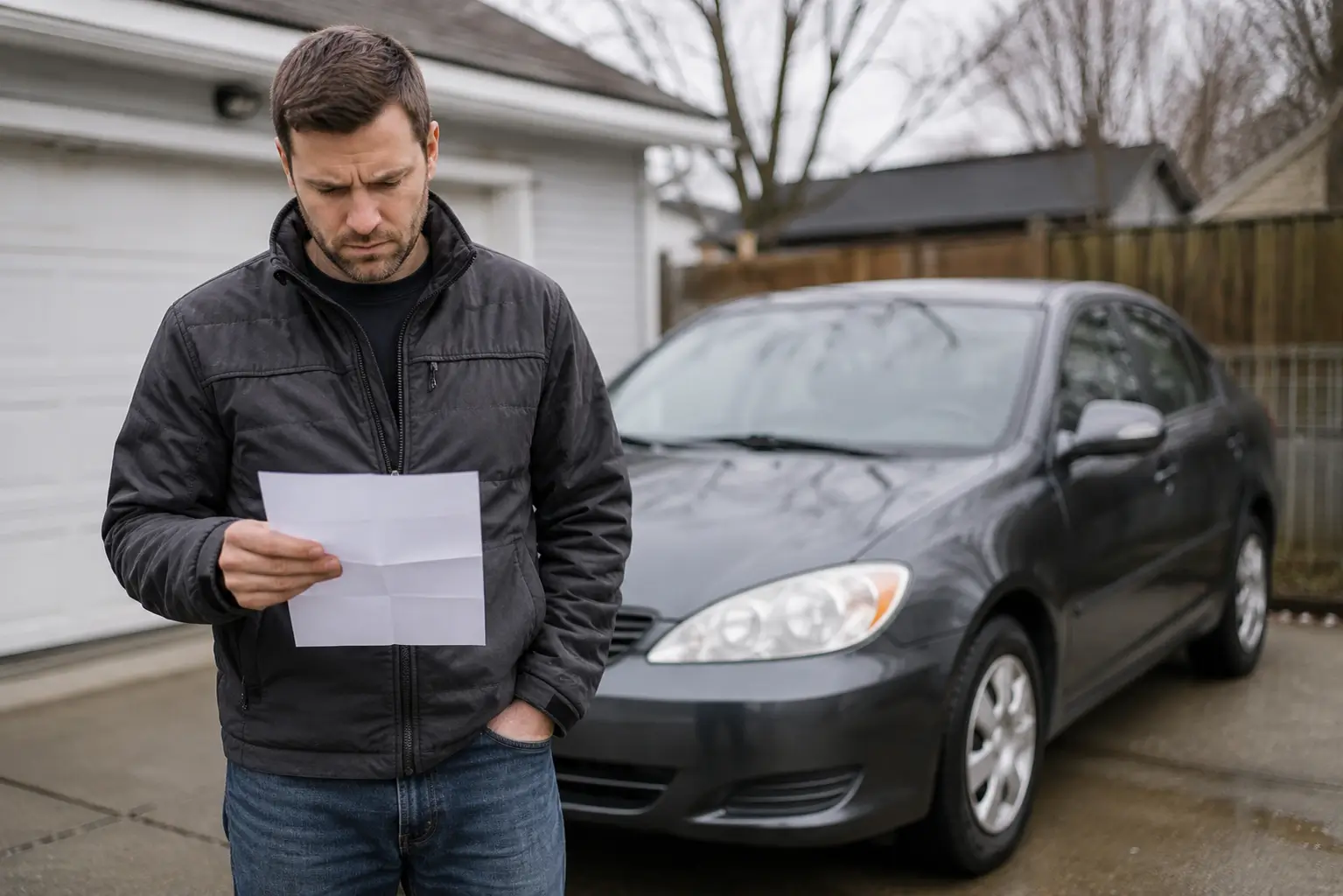
You paid cash for the car. The seller promised to mail the title. That was five months ago, the phone number is dead, and the vehicle is sitting in your driveway — insured by nobody, registered to nobody, legally yours in no way that matters.
A bonded title is the way out. You post a surety bond that stands in for the missing paperwork, the state issues a title in your name, and after a few years without a claim, it converts to an ordinary title.
The process is more accessible than most people expect. Here's what it costs, what it requires, and where it goes wrong.
What a Bonded Title Actually Is
The definition
A bonded title is a real, state-issued certificate of title, backed by a surety bond instead of the original ownership documents. It lets you register, insure, and sell a vehicle you can't otherwise prove you own.
The title carries a notation — usually the word "bonded" — for the duration of the bond period.
What the bond is protecting
The bond is not insurance for you. It's protection for everyone else.
If someone surfaces later with a stronger claim to the vehicle — a prior owner, a lienholder, an estate — they file a claim against the bond. The surety company investigates, pays valid claims up to the bond amount, and then comes to you for reimbursement.
You're not buying a shield. You're buying the state's willingness to proceed despite the uncertainty.
What it is not
A bonded title is not a branded title. It says nothing about damage, flood, or salvage history.
The confusion is common and it costs people money at resale. Salvage and rebuilt brands describe what happened to the car. A bonded designation describes a gap in the paperwork. A bonded title on an undamaged vehicle is a documentation issue, not a condition issue.
When You Need One
Common qualifying situations
You bought a vehicle and never received the title
The title was lost, destroyed, or damaged beyond use
You inherited a vehicle with no clear paper trail
The seller signed a title that was never properly transferred
An abandoned vehicle was left on property you own
Situations where a bonded title won't help
If the vehicle has an active lien, the lienholder still owns an interest and a bond doesn't erase that. If the car is reported stolen, the process stops immediately.
And if the original title exists but is simply in someone else's hands, a duplicate title application through the recorded owner is the correct route — faster and cheaper than bonding.
When a court order is the alternative
Not every state runs a bonded title program. Several use different mechanisms entirely — a court-ordered title, an administrative review, or an affidavit of ownership for lower-value vehicles.
Check your state's process before you buy anything. Purchasing a bond in a state that doesn't accept them is a refundable mistake, but a slow one.
What the Bond Costs
Bond amount vs. premium
This is the distinction that confuses everyone. Two different numbers:
The bond amount is the coverage the surety guarantees. Most states set it at 1.5 times the vehicle's appraised value, though some use 1x or 2x, and a few go higher.
The premium is what you actually pay — typically 1% to 3% of the bond amount, once, for the full term. No renewals.
Vehicle value | Bond amount (1.5x) | Typical premium (1–3%) |
|---|---|---|
$3,000 | $4,500 | $100 (most providers have a minimum) |
$8,000 | $12,000 | $120–$360 |
$15,000 | $22,500 | $225–$675 |
$30,000 | $45,000 | $450–$1,350 |
Most passenger vehicles land near the bottom of these ranges, and providers commonly apply a minimum premium around $100.
What else you'll pay
Beyond the bond: the state title fee, VIN inspection fee, appraisal cost if you use a licensed appraiser, notary fees, and in some states a publication fee for public notice.
Budget a few hundred dollars total for a typical vehicle, not thousands.
What affects your premium
Vehicle value drives the bond amount, which drives the premium. Your credit is checked by the surety and better credit earns a lower rate within that 1–3% band.
The state multiplier does the rest. A 2x state costs meaningfully more than a 1.5x state on the same car.
The Step-by-Step Process
Step 1 — Confirm you're eligible
Check your state's residency requirement and confirm the vehicle qualifies. Some states exclude vehicles above or below certain ages or values from the bonded process.
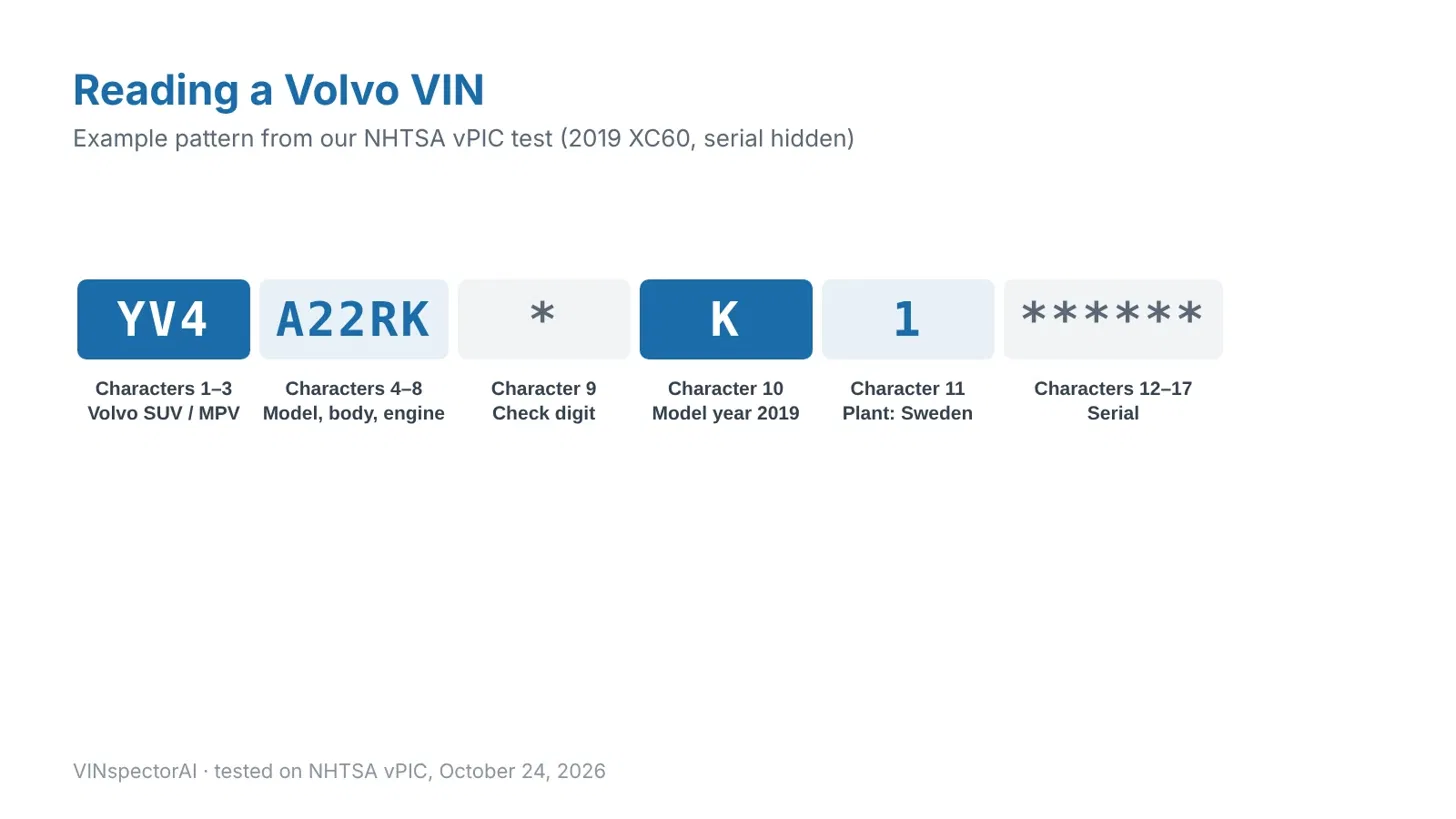
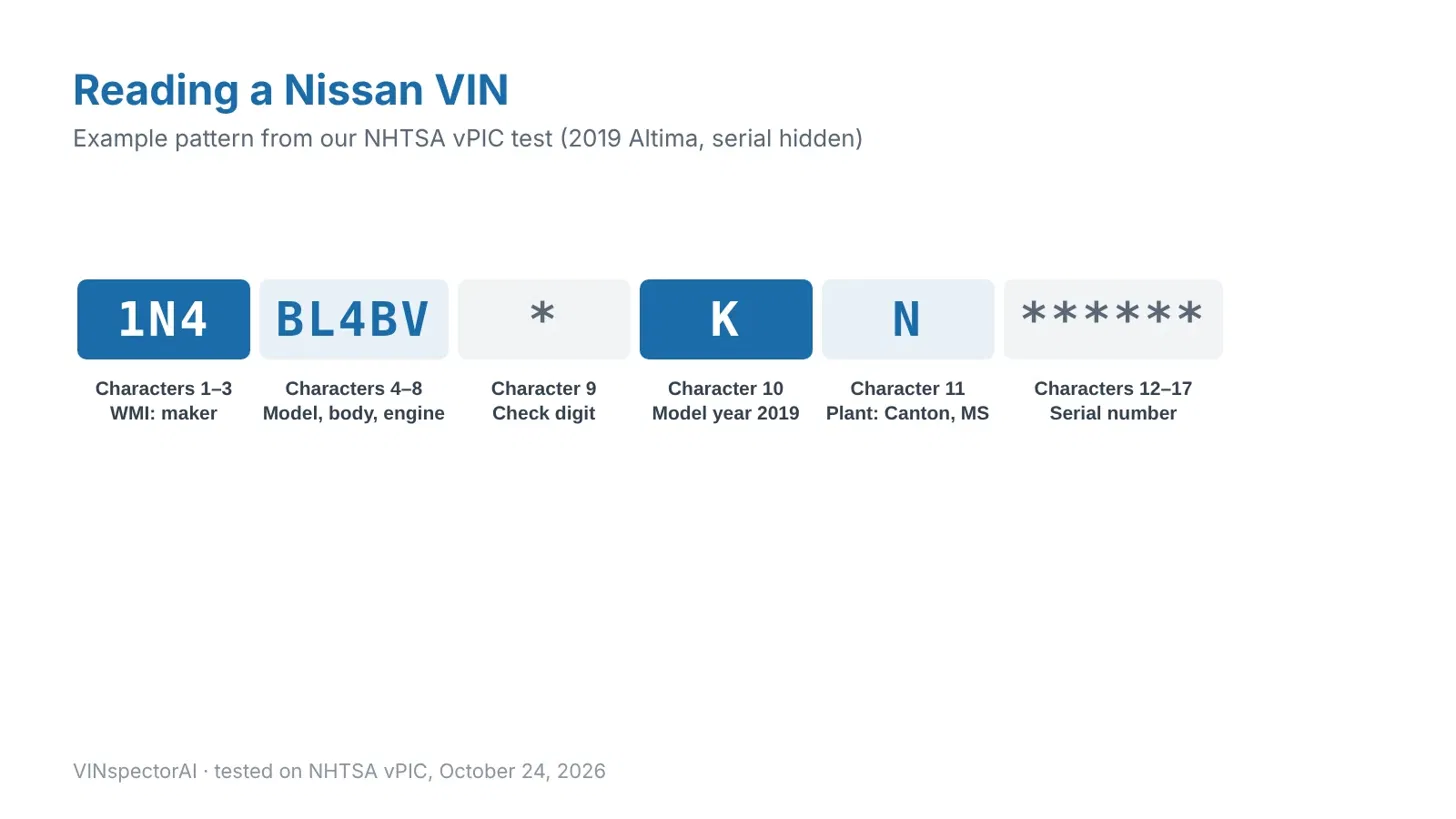
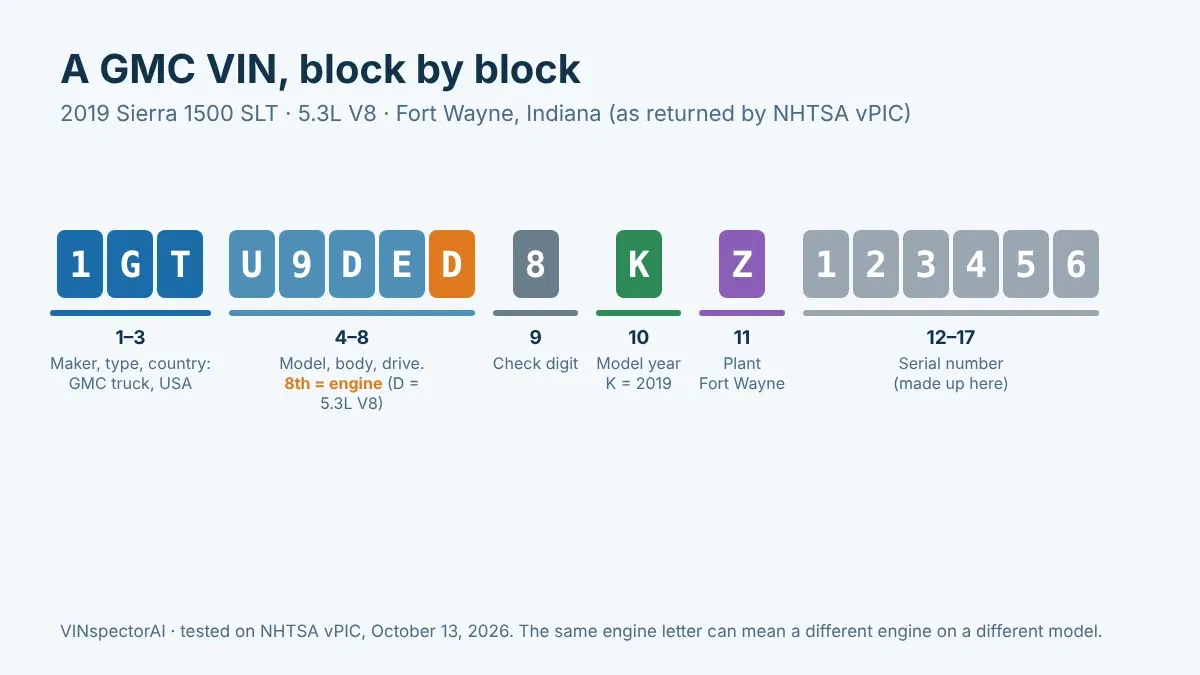
Step 2 — Run the VIN before you spend anything
Do this first, not last. A VIN check surfaces existing liens, prior title brands, theft records, and total-loss history — any of which changes whether the application will succeed at all.
Discovering an undisclosed lien after you've paid for an appraisal and a bond is the most expensive version of this mistake.
Step 3 — Get the VIN physically inspected
Most states require an inspection by law enforcement, a DMV examiner, or an authorized agent, confirming the VIN on the vehicle matches your documentation.
If you're also bringing the car in from another state, this may overlap with the state's standard entry inspection — Florida's Form HSMV 82042 process is a good example of what that looks like in practice. Buyers registering in Texas or Arizona will find comparable requirements with different forms.
Step 4 — Establish the vehicle's value
The bond amount is calculated from appraised value, so this number matters directly to your cost.
Acceptable evidence usually includes a licensed appraiser's report, a dealer's written estimate, or a recognized valuation guide. Understanding how wholesale and market valuations are built helps here — an inflated appraisal inflates your bond and your premium for no benefit.
Keep the documentation. The state will ask for it.
Step 5 — Purchase the surety bond
Contact a licensed surety provider in your state. Most issue online with same-day approval, and you'll receive a bond certificate to file with your application.
Buy the bond for exactly the amount your state requires. Too low and the application is rejected outright.
Step 6 — File the complete application
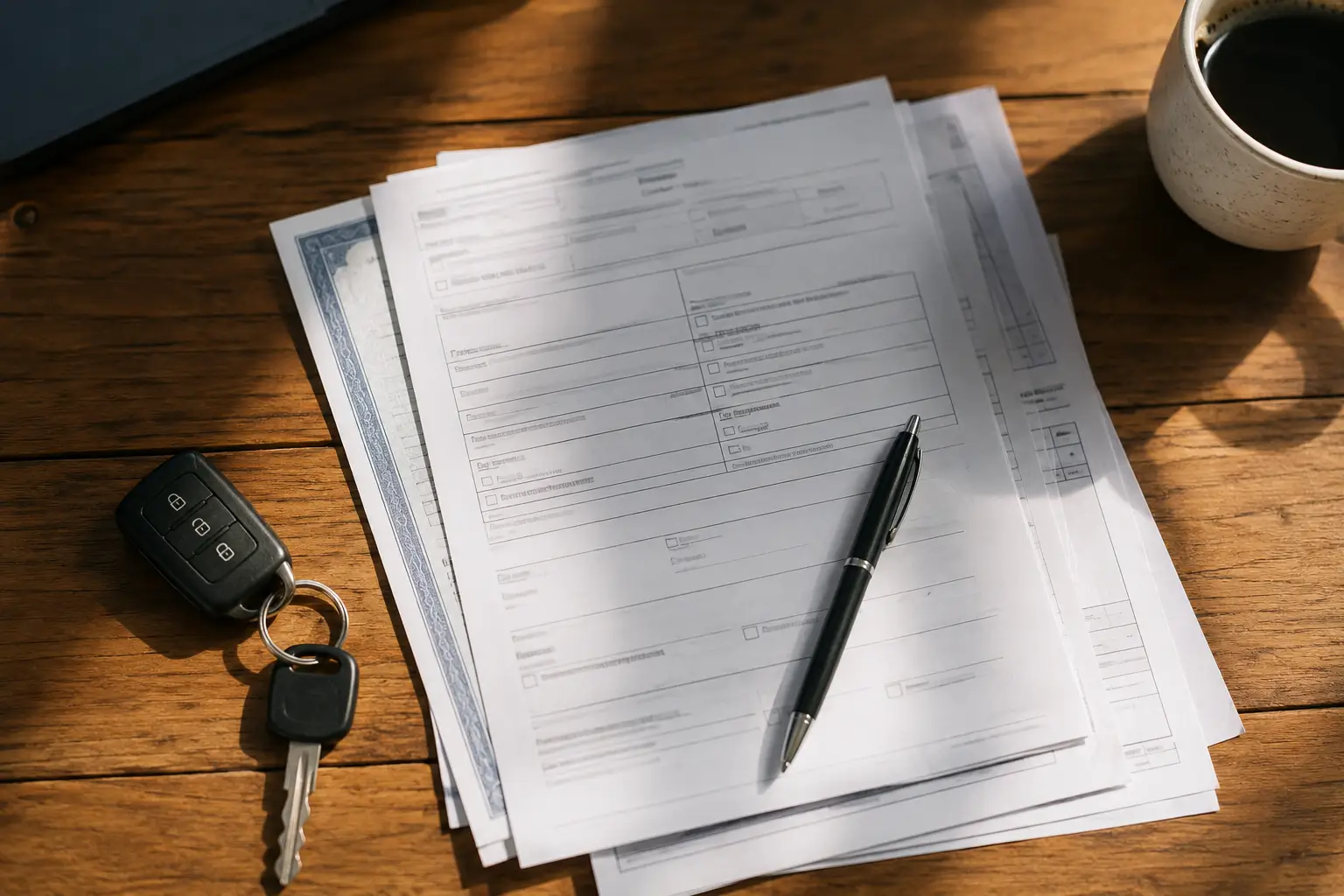
Submit the state's bonded title application together with the bond certificate, VIN inspection certificate, appraisal, bill of sale or whatever proof of purchase you have, and your ID.
Incomplete packages get returned, and the clock restarts. Photocopy everything before it goes in the envelope.
Step 7 — Wait out the bond period
Once issued, the title carries the bonded notation for the bond term — commonly three years, sometimes longer.
If no claim is filed in that window, the bond is released and the state issues a standard title with no notation. That's the finish line.
Buying or Selling a Bonded-Title Vehicle
Selling one
You can sell a bonded-title vehicle at any point. Disclose the status, because the buyer sees it on the title anyway.
Expect a discount while the bond is active. It's usually modest for an otherwise clean vehicle, and it disappears entirely once the title converts.
Buying one
A bonded title on a sound car isn't a reason to walk. It is a reason to look harder at why the paperwork went missing.
An innocent explanation — an estate, a private sale gone sideways, a lost document — is common and verifiable. What you're screening for is the version where the paperwork is missing because the car's history is inconvenient.
The check that settles it
Compare the story to the record. Pull the VIN history and see whether the vehicle was ever declared a total loss, carries a brand from a previous state, or shows an ownership gap that matches the seller's account.
If the record and the story agree, a bonded title is paperwork. If they don't, the bond isn't your problem — the car is.
How it compares to other title types
Title type | What it means | Permanent? | Effect on value |
|---|---|---|---|
Clean | Normal ownership, no brands | — | Baseline |
Bonded | Ownership documented by surety bond | No — converts after the bond period | Small, temporary discount |
Salvage | Declared a total loss, not roadworthy | Yes | Severe |
Rebuilt | Repaired salvage, passed inspection | Yes | Substantial and lasting |
A rebuilt title never reverts to clean. A bonded title does. That's the whole difference, and it's worth understanding before you accept a discount on the wrong one.
Frequently Asked Questions
Get answers to common questions about How to Get a Bonded Title When You Have No Proof of Ownership | 2026
Uncover Complete Vehicle History Reports
Discover critical vehicle information before you buy. Our VIN decoder reveals accident records, title status, recalls, and service history to help you make informed decisions.