Why Should We Run a VIN Check? Complete Guide for Used Car Buyers
Because a Vehicle Identification Number (VIN) reveals a car’s real history, including accidents, title problems, recalls, mileage inconsistencies, theft records, and ownership changes. Running a VIN check before buying a used car helps you avoid scams, legal trouble, and expensive repairs.
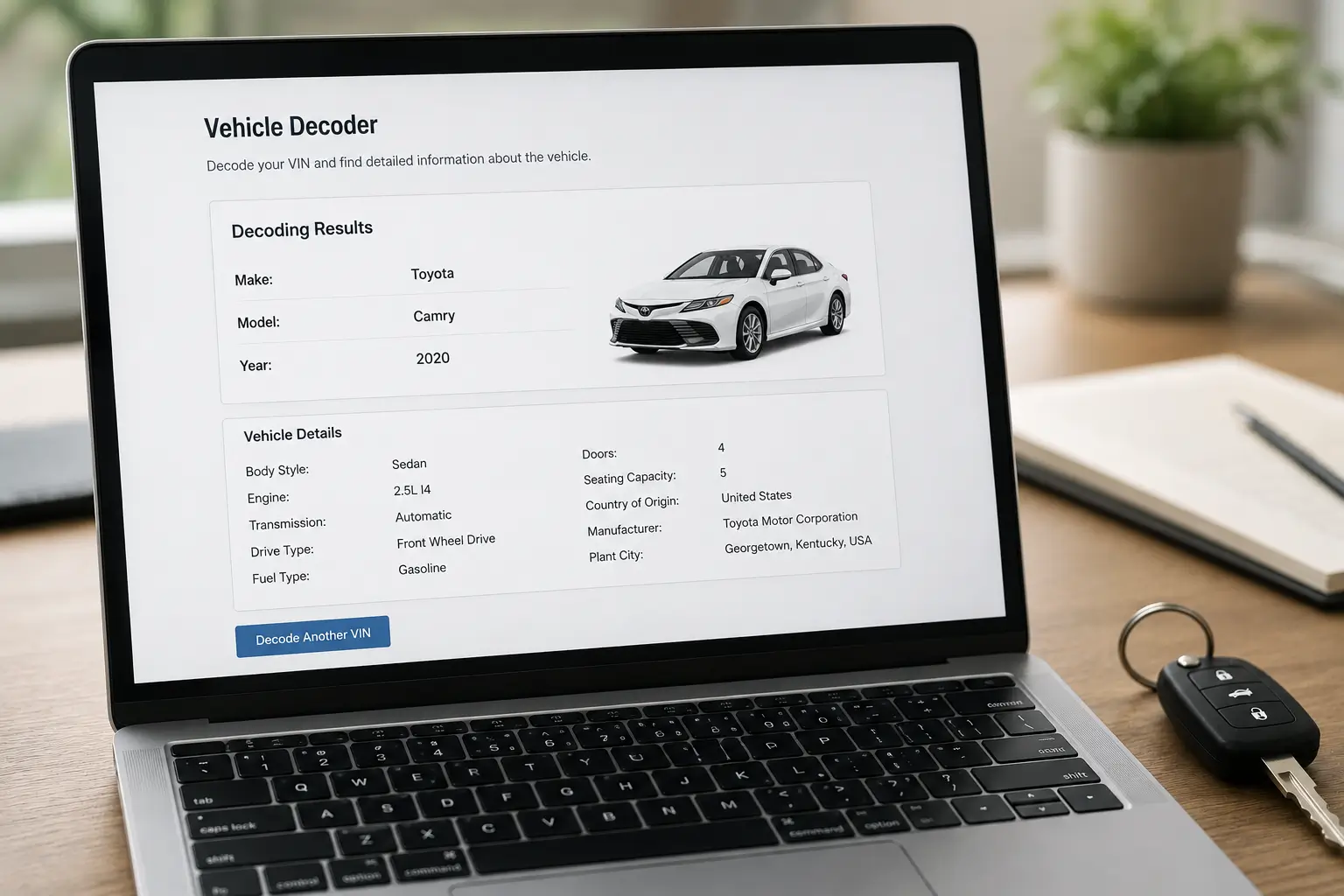
Tools like VinspectorAI make it easy to decode a VIN and review key vehicle data before you make a purchase.
This guide explains what a VIN is, what each digit means, where to find it, what problems it can uncover, and how to get a free vehicle history report.
What Is a VIN Number?
A Vehicle Identification Number (VIN) is a unique 17-character code assigned to every vehicle. It works as the car’s fingerprint and allows authorities, insurers, manufacturers, and buyers to track technical data and historical records.
What Do the VIN Characters Mean?
Each section of a VIN provides specific information about the vehicle.
VIN Structure Overview
VIN Position | Section Name | What It Identifies | Why It Matters |
|---|---|---|---|
1–3 | World Manufacturer Identifier (WMI) | Manufacturer and country of origin | Confirms who built the vehicle |
4–6 | Vehicle Descriptor Section | Model line, body type, drivetrain | Verifies vehicle configuration |
7 | Body Style | Vehicle body configuration | Helps match the physical car |
8 | Engine Type | Engine specifications | Confirms powertrain |
9 | Check Digit | VIN validation number | Detects fake or altered VINs |
10 | Model Year | Production year | Confirms age of the car |
11 | Assembly Plant | Factory where the vehicle was built | Useful for recalls |
12–17 | Serial Number | Unique production sequence | Identifies that exact vehicle |
Why Is a VIN Check So Important?
Running a VIN lookup can help you:
Detect accident history
Verify mileage readings
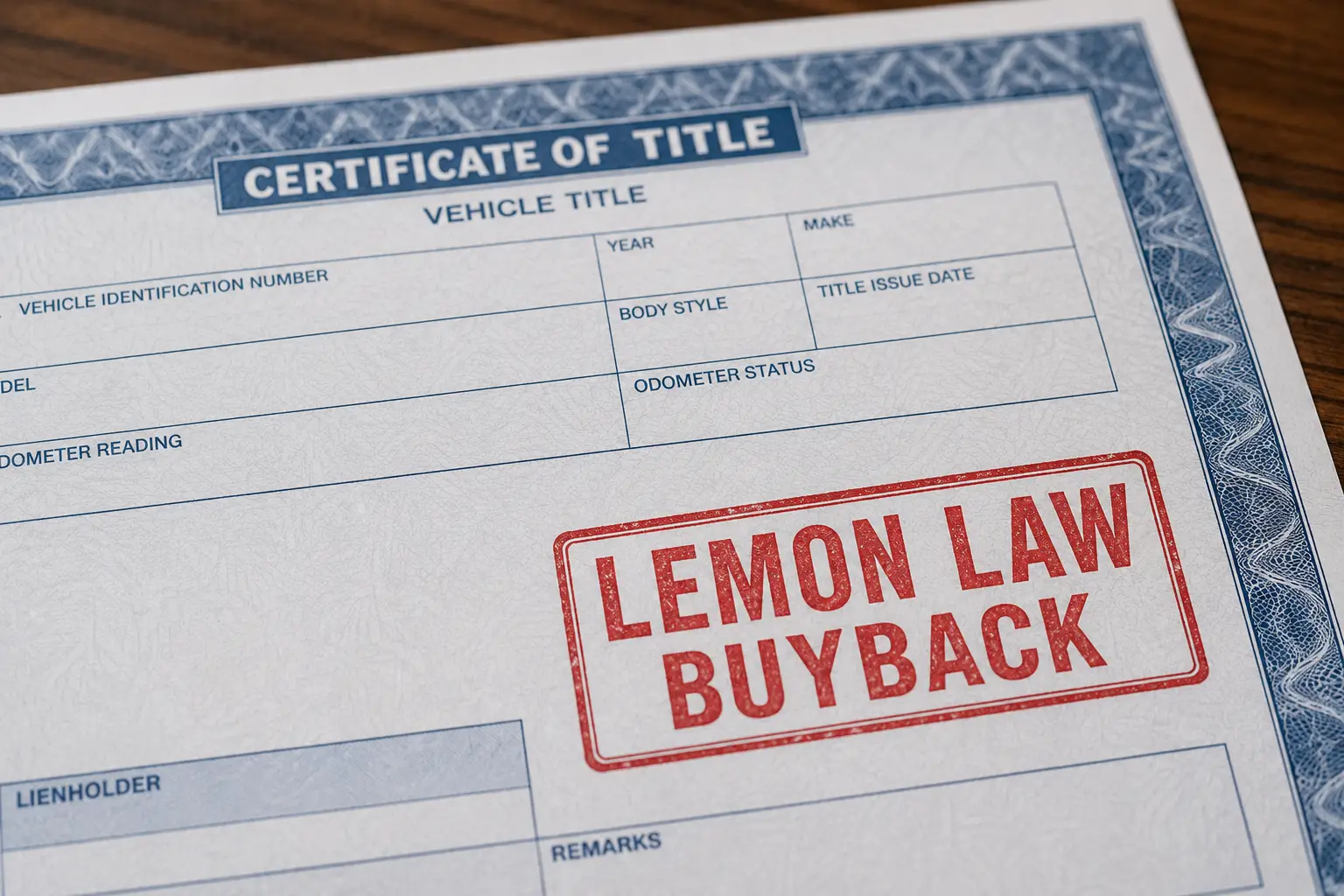
Identify title problems
Discover stolen vehicles
Check open recalls
Confirm factory specifications
Avoid VIN cloning
Reduce financial risk
A quick VIN check through a trusted platform like VinspectorAI can prevent major losses.
Can a VIN Not Match the Title of a Car?
Yes. A VIN mismatch is a serious warning sign.
Common reasons include:
Clerical mistakes
Title fraud
VIN cloning
Theft recovery
Salvage or rebuilt status
Registration errors
What Should You Do If the VIN Does Not Match?
Pause the purchase
Contact the vehicle registry or DMV
Request clarification from the seller
Run a VIN history report on vinspectorai.com
Seek legal advice if necessary
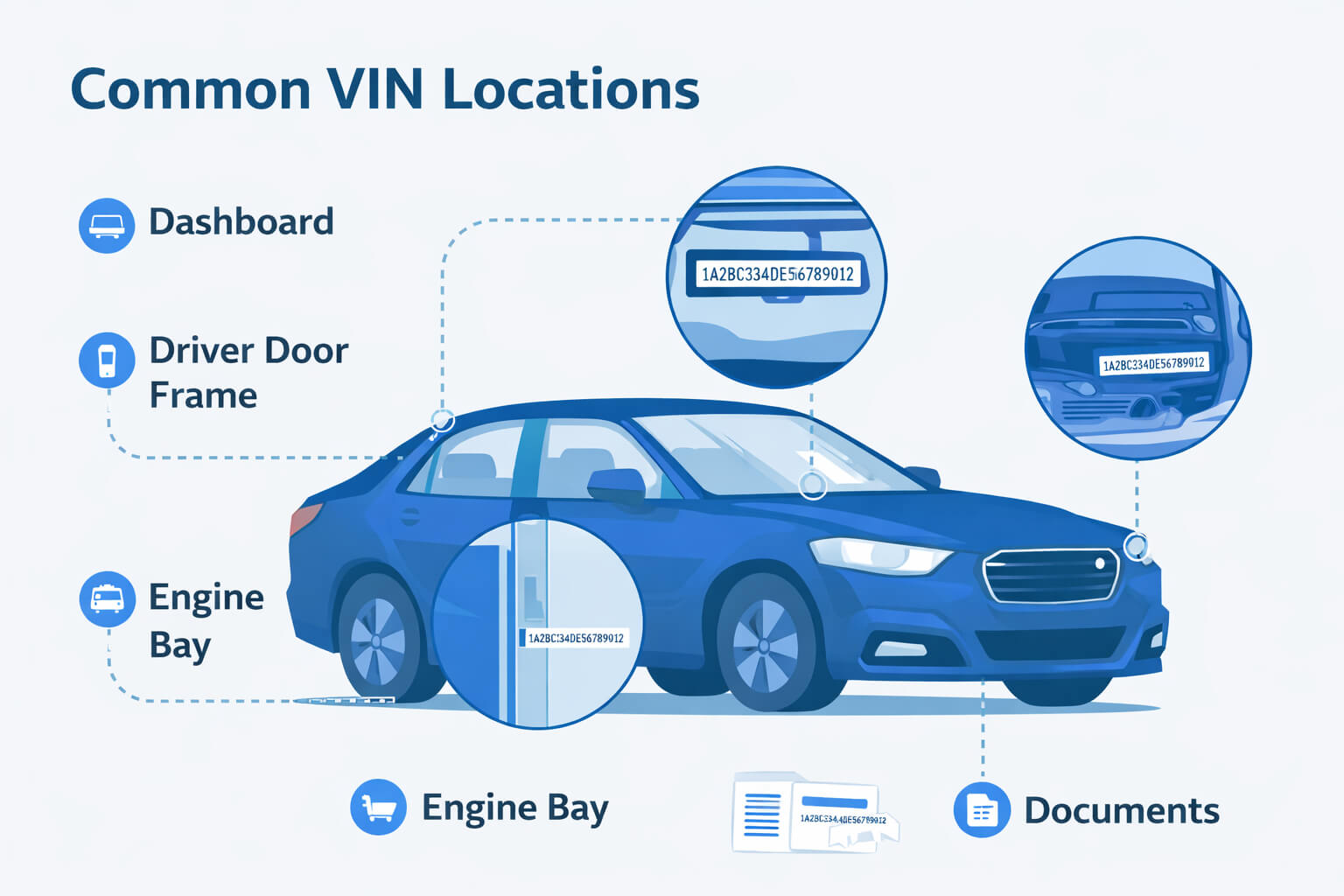
Where Can You Find the VIN Plate in a Vehicle?
You can locate the VIN in several places.
Common VIN Locations
Location | Description |
|---|---|
Dashboard | Visible through the windshield on the driver’s side |
Driver Door Frame | Sticker or metal plate inside the door |
Engine Block | Stamped directly on the engine |
Registration Document | Official registration papers |
Insurance Card | Insurance policy document |
Vehicle Title | Ownership certificate |
All VIN locations should match.
How to Get a Free Vehicle History Report by VIN
To obtain a vehicle history report:
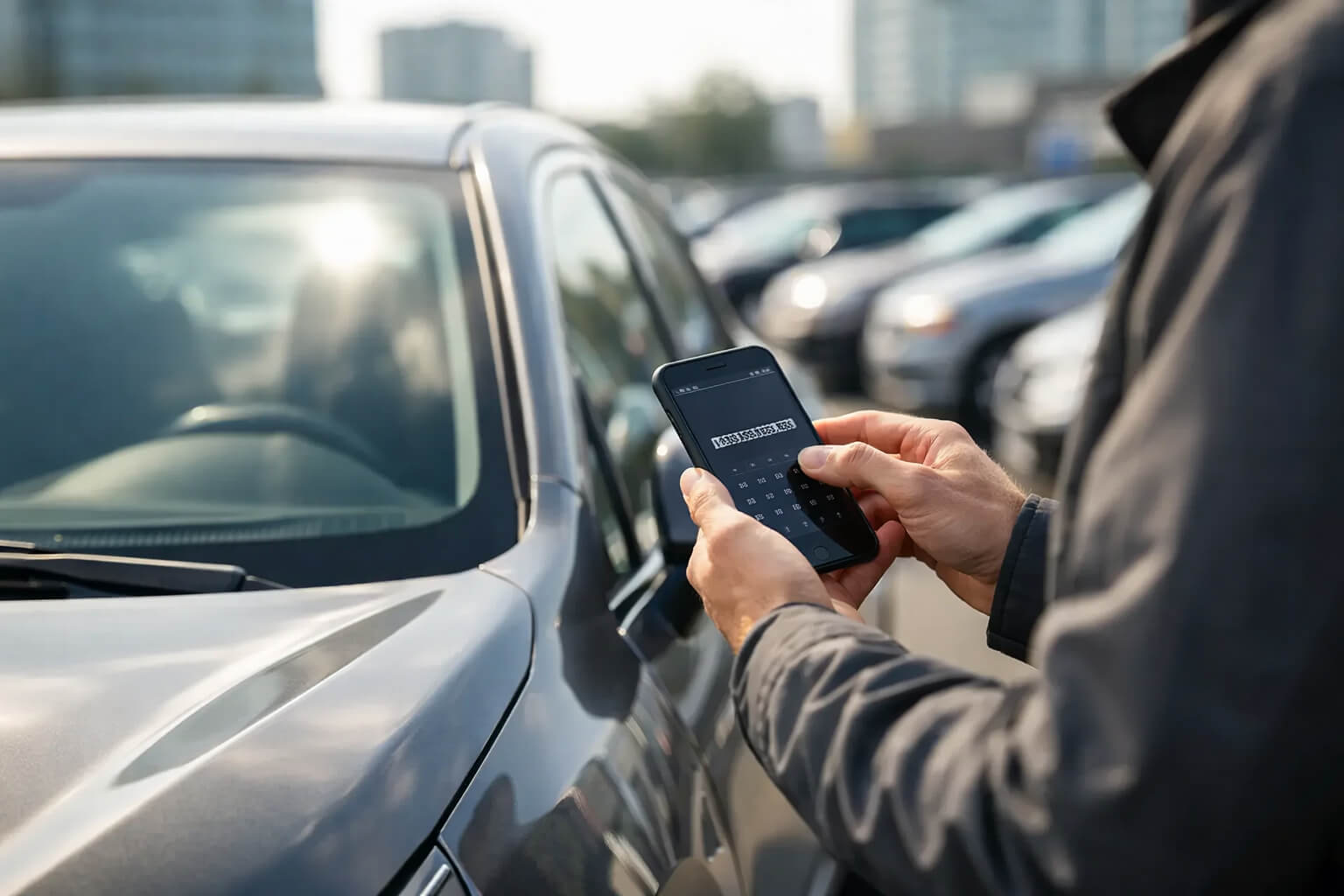
Find the VIN on the car or paperwork
Visit vinspectorai.com
Enter the VIN into the search field
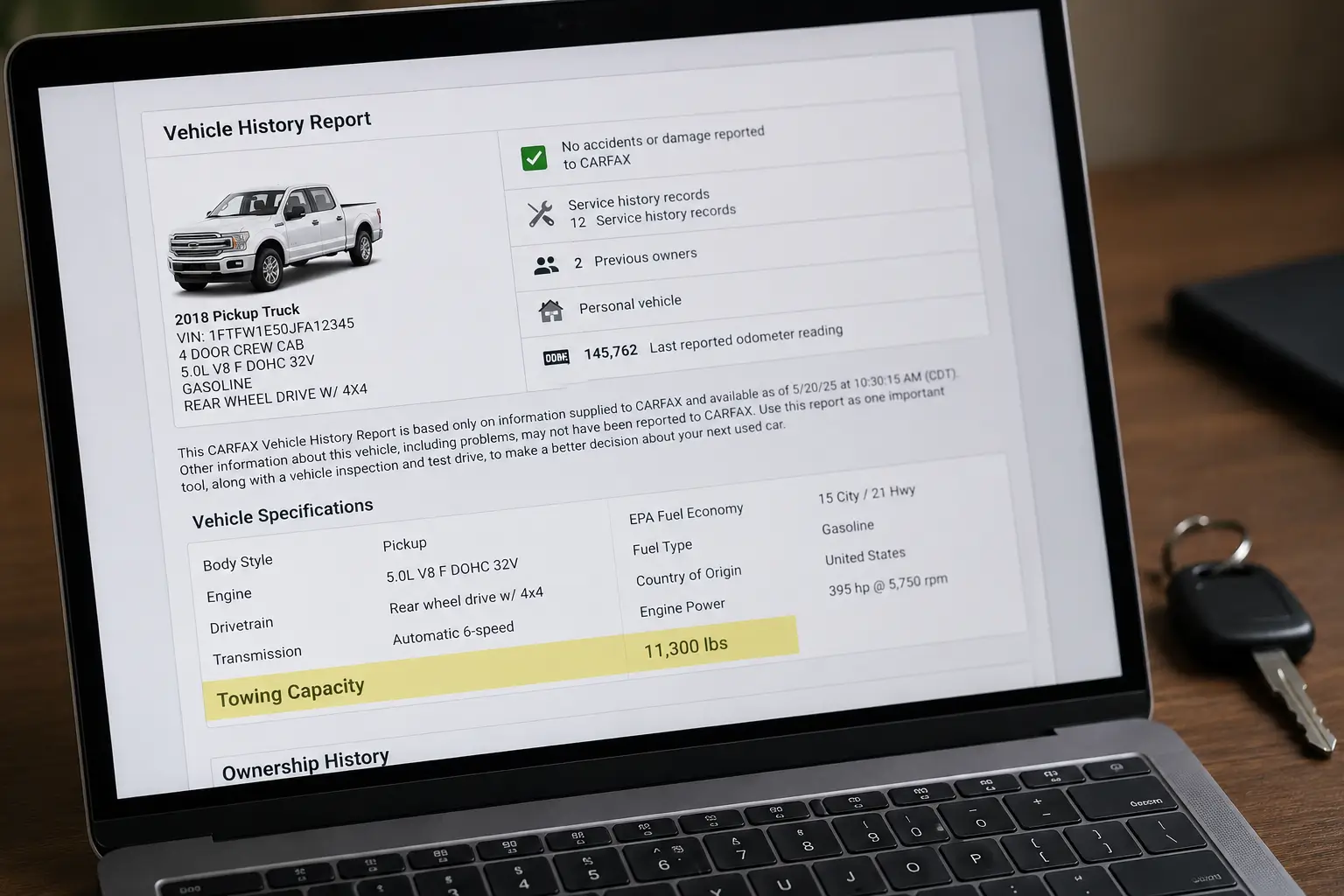
Review accident records, title status, recalls, mileage data, and ownership history
Compare the report with the seller’s claims
This step is essential before purchasing any used vehicle.
Common Problems a VIN Check Can Reveal
A proper VIN search may uncover:
Typical Issues Found in Reports
Category | Examples |
|---|---|
Accidents and Damage | Collision history, flood damage, structural repairs |
Title Issues | Salvage, rebuilt, lien records |
Theft Records | Reported stolen vehicles |
Mileage | Odometer rollback warnings |
Recalls | Open manufacturer recalls |
Ownership | Number of previous owners |
Usage Type | Rental, taxi, fleet vehicles |
Safety Systems | Airbag deployment reports |
Why a VIN Check Protects Buyers in Today’s Used-Car Market
In today’s used-car market, online listings and private sellers make it easier than ever to shop for vehicles, but they also increase the risk of hidden defects or misleading descriptions. Photos and seller claims cannot replace verified records from official databases. A VIN check adds transparency by confirming registration history, manufacturer specifications, safety recalls, and reported damage. It also helps buyers negotiate a fair price based on the vehicle’s real condition rather than assumptions. Whether purchasing from a dealership or an individual seller, running a VIN lookup through a trusted service like VinspectorAI provides confidence and reduces the chance of costly surprises after the sale.
Final Thoughts
Running a VIN check is one of the smartest decisions you can make before buying a used car. It protects you from hidden problems, legal risks, and unexpected costs.
Before committing to any purchase, decode the VIN with VinspectorAI and make a fully informed decision.
Frequently Asked Questions
Get answers to common questions about Why Should We Run a VIN Check? Complete Guide for Used Car Buyers
Uncover Complete Vehicle History Reports
Discover critical vehicle information before you buy. Our VIN decoder reveals accident records, title status, recalls, and service history to help you make informed decisions.