Lemon Car Meaning: What It Is and What to Do If You Buy One
You bought a car. It breaks down. You bring it to the dealer. They fix it. It breaks down again. You bring it back. Same problem. Third time, fourth time — and suddenly you realize: this car was broken from the start.
That's a lemon. And if it happens to you, the law may be on your side.
Here's everything you need to know about lemon car meaning, how lemon laws work, and how to avoid buying one in the first place.
What Does "Lemon Car" Mean?
A lemon car is a vehicle with a serious defect — or multiple defects — that significantly impairs its use, safety, or value, and that the manufacturer or dealer cannot fix after a reasonable number of attempts.
The term comes from old American slang for anything defective or worthless. It entered the legal vocabulary in the 1970s when states began passing consumer protection laws specifically for defective vehicles.
Today, every US state has some form of lemon law. The details vary significantly, but the core idea is the same: if you bought a defective vehicle and the seller can't fix it, you're entitled to a replacement or a refund.
How Lemon Laws Work in the US
Lemon laws exist at the state level. There is no single federal lemon law — though the federal Magnuson-Moss Warranty Act provides some baseline protections for consumers with written warranties.
New Car Lemon Laws
Most state lemon laws apply primarily to new vehicles. To qualify, the defect typically must:
Substantially impair the vehicle's use, safety, or market value
Appear within a specific time or mileage window (commonly within the first year or 18,000 miles)
Persist after a set number of repair attempts (usually 3-4 for the same defect, or the car has been out of service for 30+ days total)
If those conditions are met, the manufacturer must either replace the vehicle or refund the purchase price — including taxes, fees, and finance charges.
Used Car Lemon Laws
Used car protections are weaker and vary much more by state. Some states extend lemon law coverage to certified pre-owned vehicles still under the original manufacturer's warranty. Others offer limited implied warranty protections for used cars sold by dealers.
Private sales are almost universally "as-is" — meaning once you drive off, the problem is yours.
California Has the Strongest Lemon Law in the Country
If you're buying in California, you have more protection than anywhere else in the US.
California's Song-Beverly Consumer Warranty Act is widely considered the most consumer-friendly lemon law in the country. It covers both new and used vehicles that are still under the manufacturer's warranty, requires manufacturers to pay attorney fees if you win a lemon law claim, and gives consumers the right to a full refund or replacement — including incidental costs.
California also has a civil penalty clause: if a manufacturer willfully fails to comply, they can be ordered to pay up to two times the actual damages. That's a significant deterrent.
If you're buying a used car in California, always check whether the vehicle is still under the original manufacturer's warranty — that coverage could matter a lot. Run the VIN through VINspectorAI to see the full vehicle history before you commit.
What Qualifies a Car as a Lemon?
Not every breakdown makes a car a lemon. The defect has to meet specific legal criteria — which differ by state — but generally:
It must be substantial. A rattling cup holder doesn't qualify. A recurring transmission failure that makes the car unsafe to drive does.
It must be within the coverage period. Most lemon laws only apply during the original warranty period or within a set time/mileage window from purchase.
The dealer must have had a reasonable number of attempts to fix it. Typically 3-4 attempts for the same defect, or the vehicle must have been out of service for a cumulative total of 30 days or more.
The defect must not be caused by the owner. Modifications, abuse, or accidents that cause the problem don't qualify.
Most Common Lemon Car Problems
Certain defects show up in lemon law cases more often than others:
Transmission failures — slipping, jerking, or refusing to shift properly despite repeated repairs
Engine defects — stalling, misfiring, or overheating that mechanics can't resolve
Electrical system failures — particularly in newer vehicles where software controls critical systems
Brake problems — especially if they affect stopping distance or trigger warning lights repeatedly
Steering issues — pulling, vibrating, or loss of power assist
Safety system malfunctions — airbag, ABS, or stability control failures
The common thread: these are all defects that affect safety or make the car unreliable for normal use.
How to Check If a Used Car Was a Lemon Before You Buy
This is the part most buyers skip — and it's the most important step.
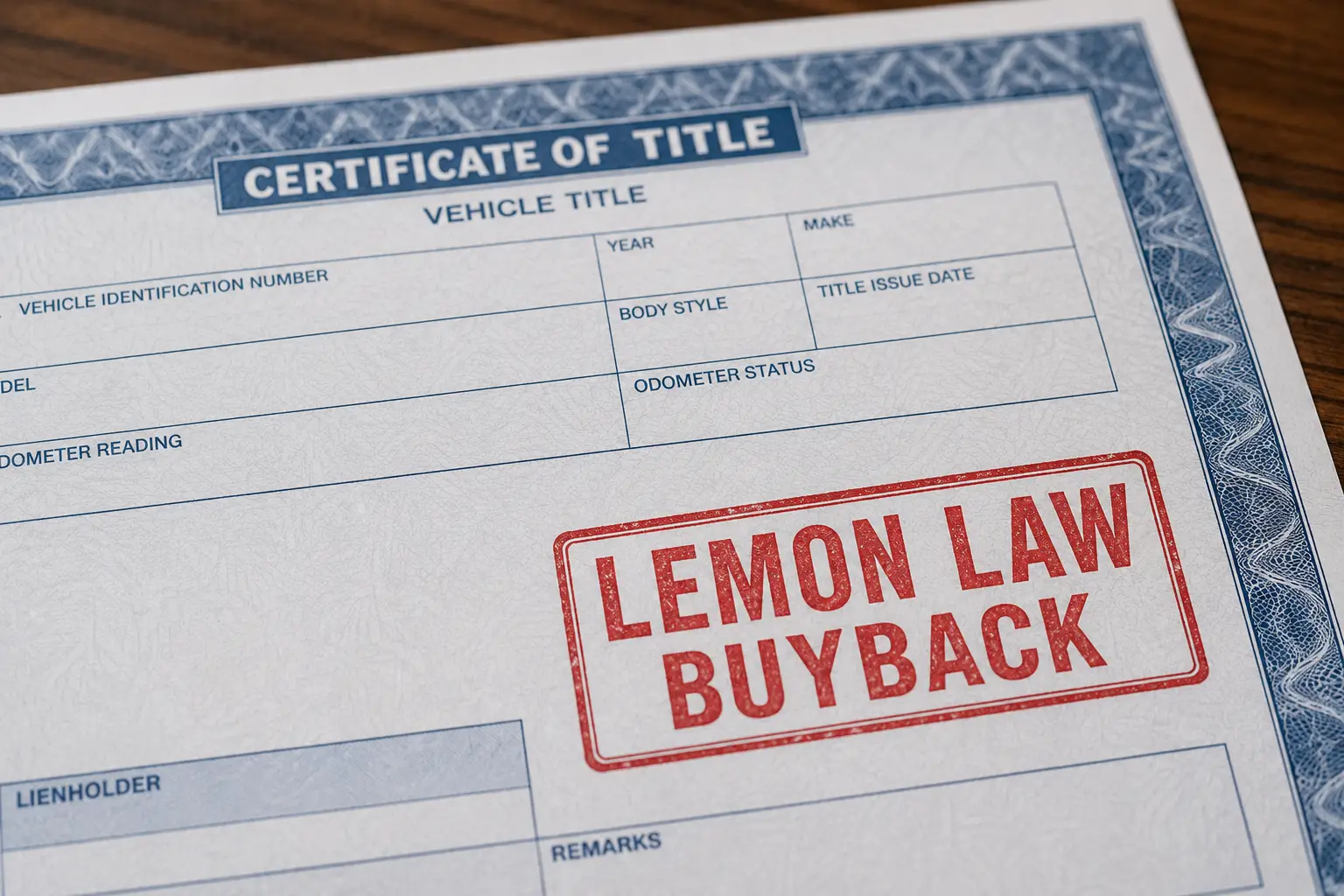
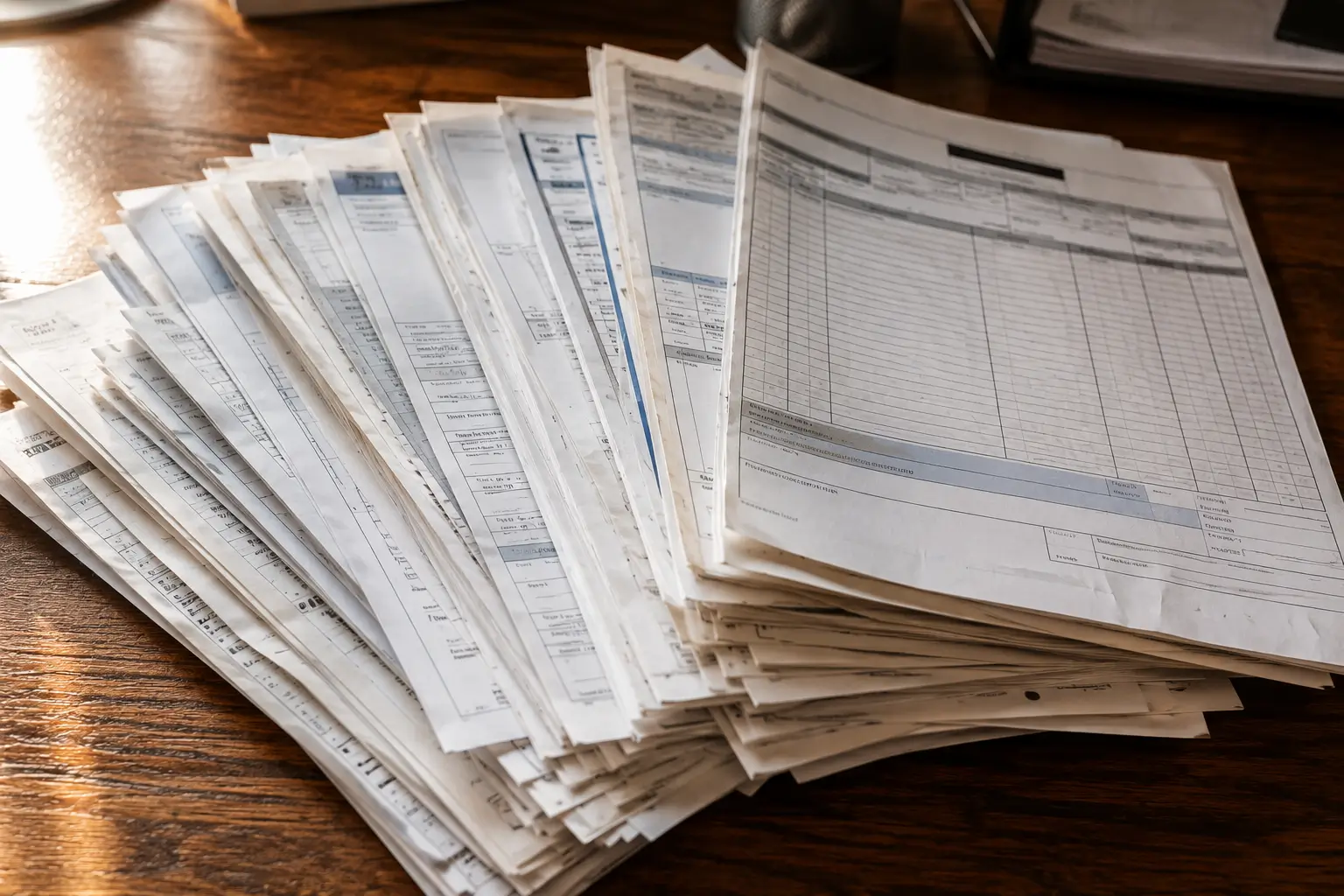
When a car is bought back under a lemon law, the manufacturer is required in most states to brand the title. You'll see terms like "lemon law buyback" or "manufacturer buyback" on the title. Some states require a permanent decal on the vehicle as well.
The problem: not all states require title branding, and vehicles are frequently re-titled across state lines specifically to hide the lemon law history. A car bought back in California can be re-titled in a state with no branding requirement and sold as clean.
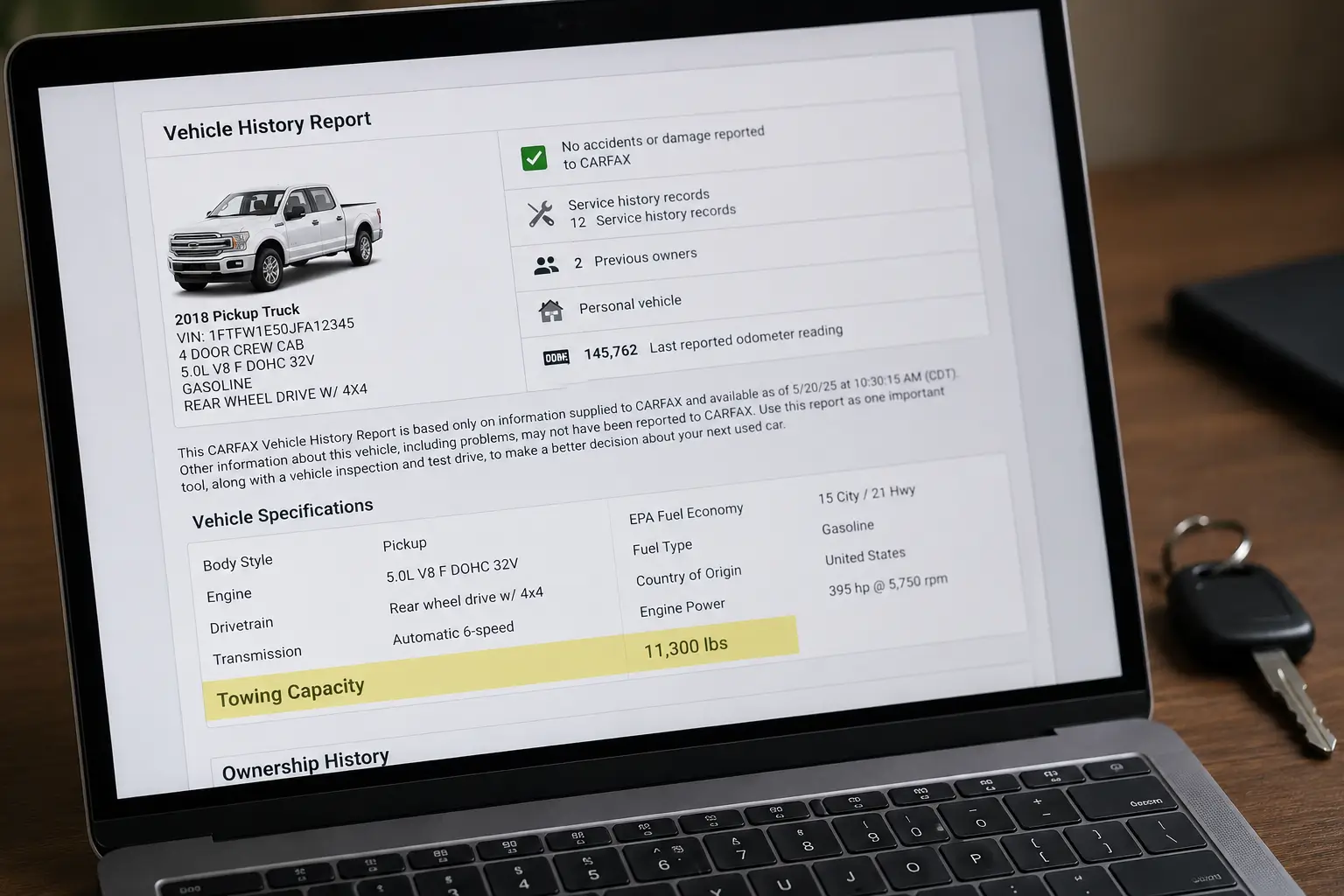
The only reliable way to catch this is a thorough vehicle history report. A good VIN check will show:
Title brand history across all states
Number of previous owners
Any reported defects or recalls
Service history gaps that might indicate chronic problems
Before buying any used vehicle — especially in high-volume used car markets like Florida or New York — run the VIN first. It takes two minutes and can save you from buying someone else's problem.
What to Do If You Bought a Lemon
If you think you have a lemon, act fast — lemon law claims have time limits.
Step 1: Document everything. Keep every repair order, every invoice, every date the car went into the shop. You'll need a paper trail.
Step 2: Notify the manufacturer in writing. Many lemon laws require you to give the manufacturer formal written notice before you can file a claim. Send it certified mail.
Step 3: Check your state's requirements. Look up your specific state's lemon law — the number of repair attempts required, the coverage window, and whether used vehicles are included.
Step 4: Contact a lemon law attorney. In most states, if you win a lemon law case, the manufacturer pays your attorney fees. That means many lemon law attorneys work on contingency — you pay nothing unless you win.
Step 5: File with your state's consumer protection agency. If the manufacturer doesn't respond, your state's AG office or DMV may have a dispute resolution process.
Don't Let a Lemon Become Your Problem
A lemon car can cost you thousands in repairs, months of frustration, and serious safety risks. The best protection is knowing what you're buying before you sign anything.
Check the title history. Look for manufacturer buyback flags. Verify the service records. And run the VIN through VINspectorAI to get the full picture — including any history that a seller would prefer you didn't see.
Buyers in California have the strongest legal protections in the country, but no law protects you from a bad purchase you didn't research. Two minutes with a VIN check is always worth it.
Frequently Asked Questions
Get answers to common questions about Lemon Car Meaning: What It Is and What to Do If You Buy One
Uncover Complete Vehicle History Reports
Discover critical vehicle information before you buy. Our VIN decoder reveals accident records, title status, recalls, and service history to help you make informed decisions.