Make vs Model of a Car: What's the Difference and Why It Matters
You're filling out a car insurance form. It asks for the make and model of your vehicle. You pause. Are those the same thing? Is "Toyota" the make or the model? What about "Camry"?
If you've ever been confused by this, you're not alone. These two terms get mixed up constantly — and getting them wrong on official forms can cause real problems.
Here's the difference, explained simply, with real examples.
What Is the Make of a Car?
The make is the brand — the company that manufactured the vehicle.
Think of it like a clothing brand. Nike makes shoes. Ford makes trucks. Toyota makes sedans and SUVs.
Common car makes you'll recognize:
Ford
Toyota
Honda
Chevrolet
BMW
Mercedes-Benz
Hyundai
Nissan
Ram
Jeep
When someone asks "what make is your car?" they're asking who built it. The answer is always the brand name on the hood.
What Is the Model of a Car?
The model is the specific vehicle that the manufacturer produces under their brand.
Every make produces multiple models. Toyota doesn't just make "Toyotas" — they make the Camry, the Corolla, the RAV4, the Tacoma, the Highlander, and dozens more. Each of those is a distinct model.
The model is the product. The make is the company behind it.
Examples:
Ford F-150 — the model is F-150
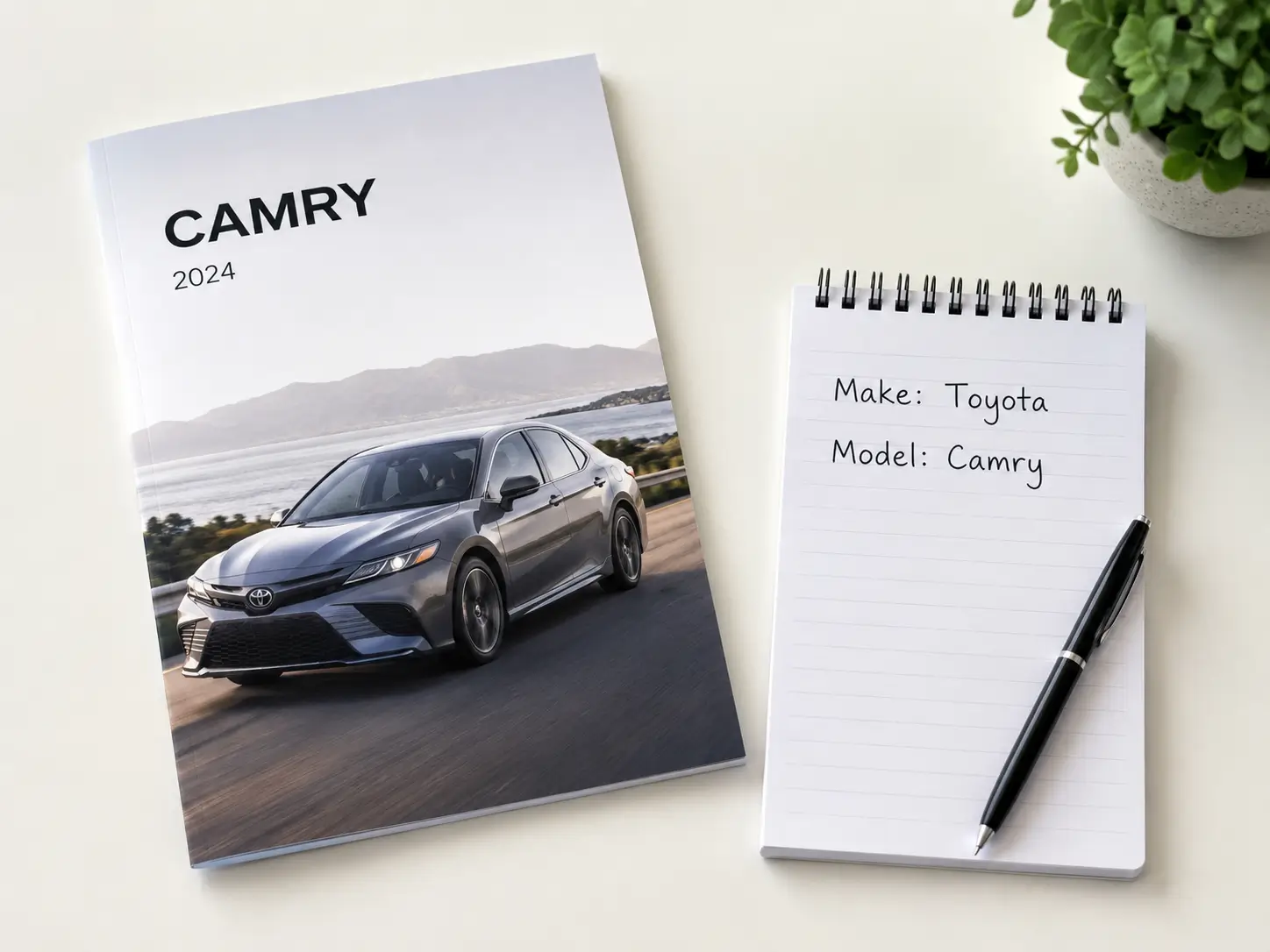
Toyota Camry — the model is Camry
Honda Civic — the model is Civic
Chevrolet Silverado — the model is Silverado
BMW 3 Series — the model is 3 Series
Make vs Model — What's the Difference?
The simplest way to remember it:
Make | Model | |
|---|---|---|
What it is | The brand / manufacturer | The specific vehicle |
Example 1 | Ford | F-150 |
Example 2 | Toyota | Camry |
Example 3 | Honda | Civic |
Example 4 | Chevrolet | Silverado |
Example 5 | BMW | 3 Series |
Example 6 | Ram | 1500 |
When someone says "I drive a Toyota Camry" — Toyota is the make, Camry is the model.
When a form asks for "make and model," the answer is always in that order: brand first, specific vehicle second. "Honda Civic." "Ford F-150." "Chevrolet Silverado."
What About Year, Trim, and Style?
Make and model are the two most important identifiers, but they're not the whole picture. Three other terms come up constantly when buying, insuring, or registering a vehicle.
Model Year
The model year is the production year the vehicle was designed for — not necessarily the calendar year it was manufactured. A 2024 model year vehicle might roll off the assembly line in late 2023.
Model year matters because manufacturers update vehicles every year. A 2019 Honda Civic and a 2023 Honda Civic are both "Honda Civics" — but they have different safety ratings, features, and values.
Trim Level
Within a single model, manufacturers offer multiple configurations called trim levels. These are essentially different versions of the same vehicle at different price points and feature sets.
A Ford F-150 comes in trims like XL, XLT, Lariat, King Ranch, Platinum, and Raptor. Same make. Same model. Wildly different features and prices.
Trim level affects:
Engine options available
Standard and optional features
Towing and payload capacity
Resale value
Body Style
Some models come in multiple body styles. The Honda Civic is available as a sedan, a hatchback, and a coupe. The Ford F-150 comes in regular cab, SuperCab, and SuperCrew configurations.
Body style affects practicality, insurance rates, and in some cases, safety ratings.
Where You'll Need to Know Make and Model
Knowing the difference isn't just trivia — it comes up constantly in the real world.
Car Insurance
Every insurance quote starts with make, model, and year. Insurers use this information to calculate risk — repair costs, theft rates, safety ratings, and crash statistics all vary by model. Getting it wrong means your quote is inaccurate, and potentially your coverage too.
DMV Registration
State DMV registration forms require make, model, and year. Errors on registration documents can cause issues when transferring a title, renewing tags, or dealing with a traffic stop.
VIN Check
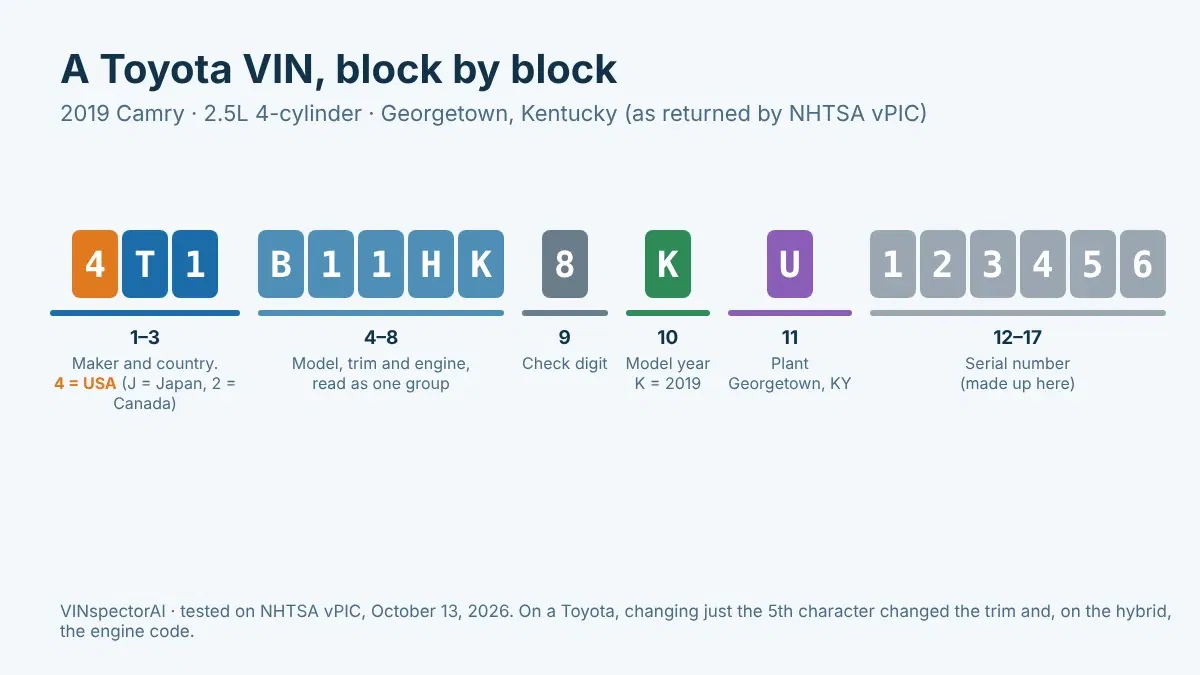
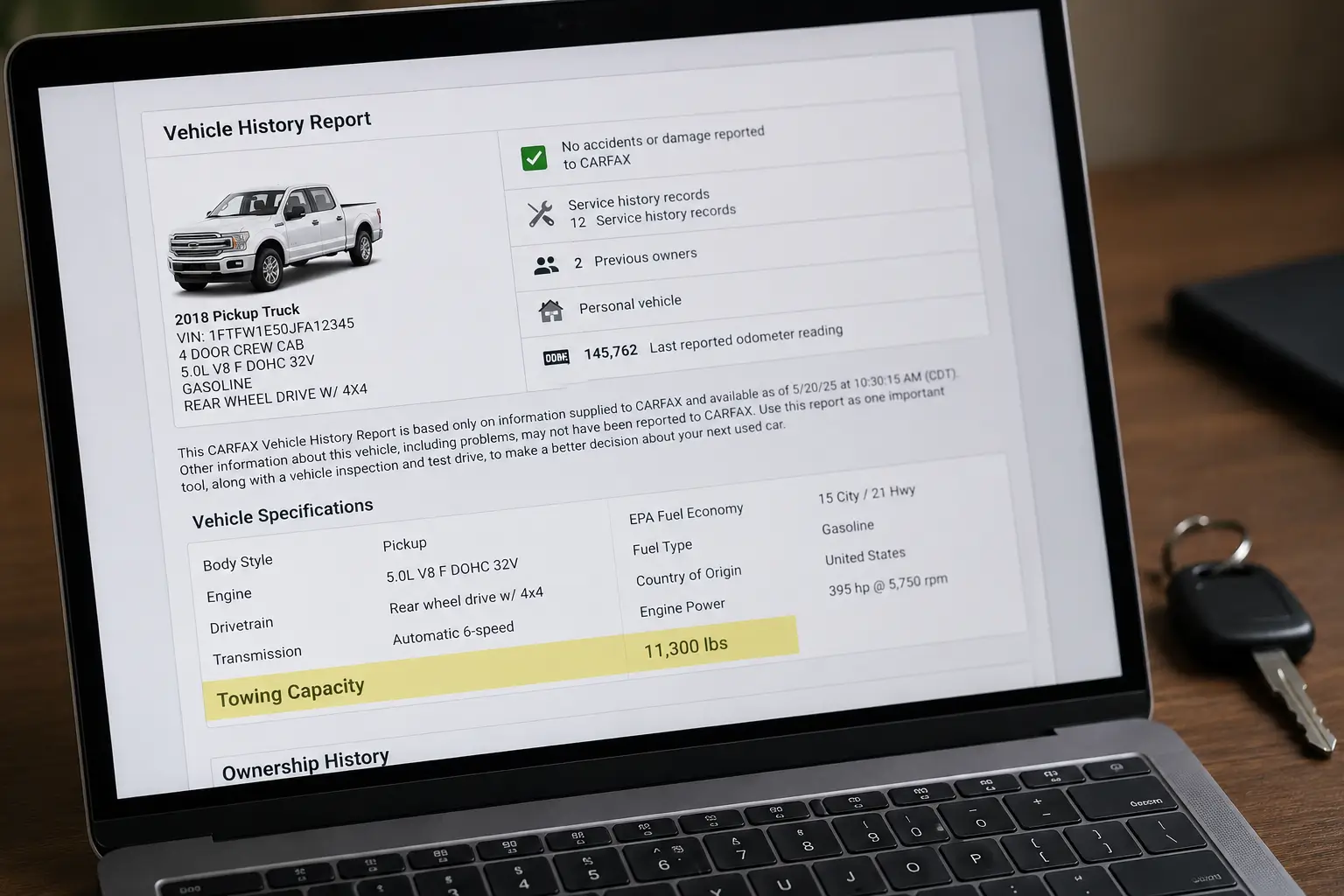
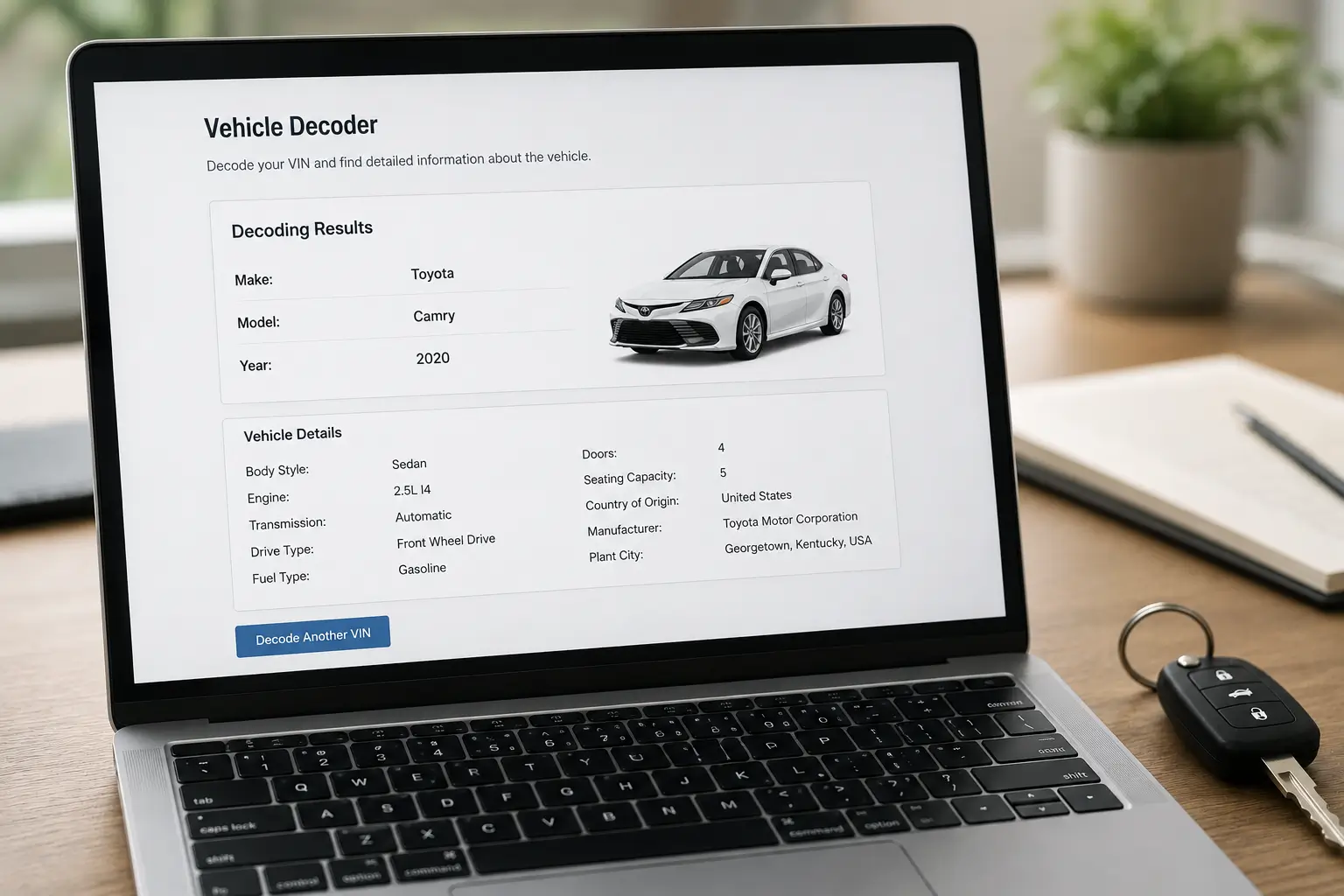
When you run a VIN check, the decoded report will confirm the make, model, year, trim, and body style of any vehicle — directly from the manufacturer's data. This is the most reliable way to verify that the vehicle in front of you matches what the seller claims.
If a seller says "it's a 2021 Toyota Tacoma TRD Pro" but the VIN decodes as a base SR trim, that's a significant discrepancy — and a red flag.
How to Find the Make and Model of Any Car Using the VIN
Every vehicle has a 17-character VIN (Vehicle Identification Number). The first few characters encode the manufacturer and the model line — meaning you can identify any vehicle's make and model from the VIN alone.
This is especially useful when:
You're buying a used car and want to verify what you're actually getting
The badge has been removed or replaced
You're researching a vehicle before viewing it in person
Run any VIN through VINspectorAI and you'll get the confirmed make, model, year, trim, and full vehicle history in under two minutes. Buyers in Texas, Ohio, and Georgia — three of the busiest used car markets in the country — use VIN checks regularly to verify exactly what they're buying before signing anything.
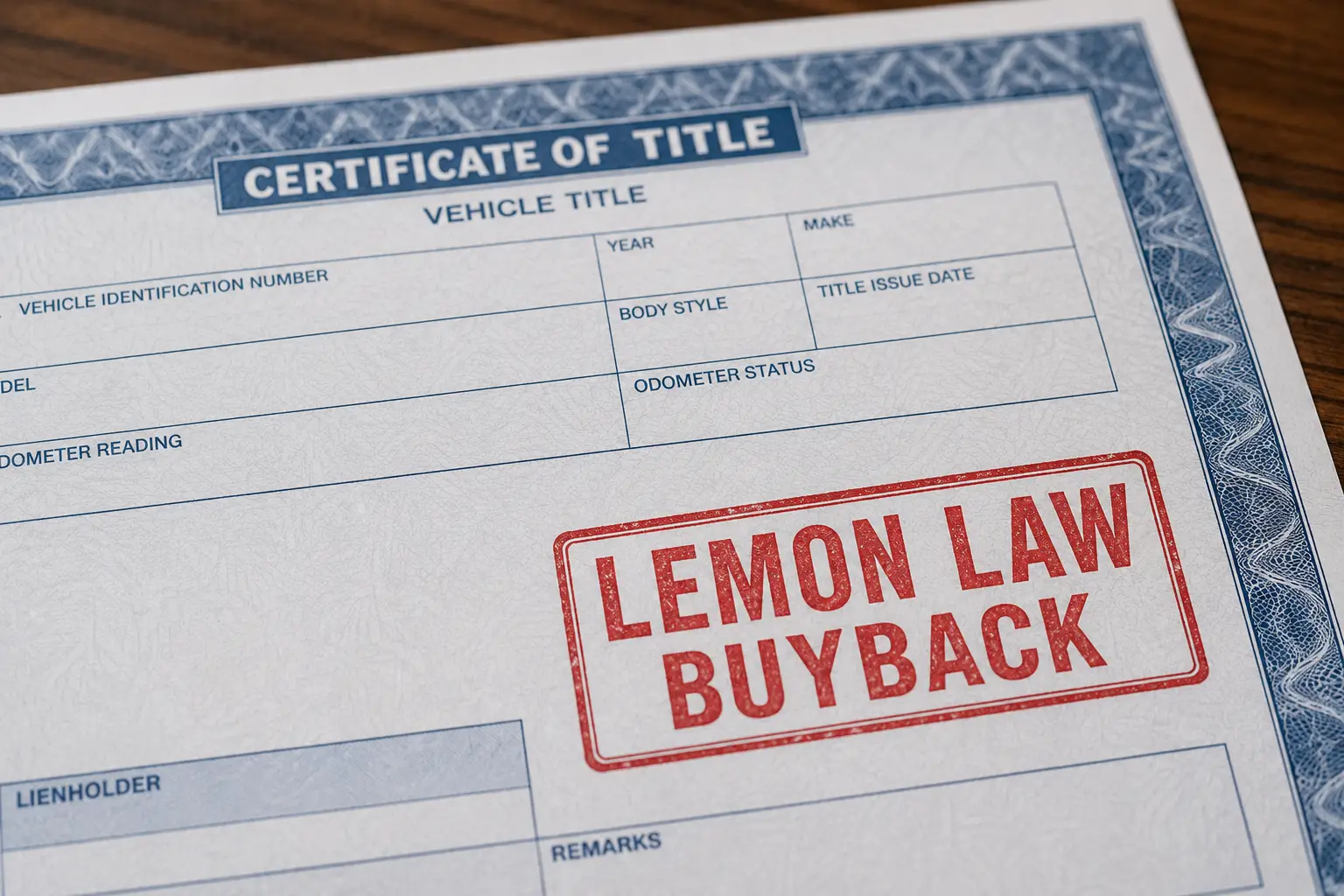
A VIN check also reveals what a make and model lookup can't: accident history, title brands, odometer readings, and whether the vehicle was ever reported stolen.
Now You Know — Don't Skip the VIN Check
Make = the brand. Model = the specific vehicle. Year, trim, and body style fill in the rest of the picture.
Getting these right matters every time you insure, register, or buy a vehicle. And when you're buying used, the only way to confirm that all of those details are accurate is to check the VIN.
Run any VIN at VINspectorAI.com — confirm the make, model, and full history before you buy.
Frequently Asked Questions
What is the make of a car? The make is the brand or manufacturer of the vehicle — for example, Ford, Toyota, Honda, or BMW. It's the company name that appears on the badge.
What is the model of a car? The model is the specific vehicle produced by that manufacturer — for example, the F-150, Camry, Civic, or 3 Series. One make can produce dozens of different models.
Is make the same as brand? Yes. Make and brand mean the same thing when referring to vehicles. Both refer to the manufacturer — Toyota, Ford, Chevrolet, and so on.
What comes first — make or model? Make always comes first. When describing a vehicle, you say the brand before the specific model: "Toyota Camry," "Ford F-150," "Honda Civic."
How do I find the make and model of a car from the VIN? The VIN encodes the manufacturer and model line in its first characters. Run the VIN through a decoder like VINspectorAI to get the confirmed make, model, year, and trim level directly from manufacturer data.
Does trim level affect make and model? No — trim level is a sub-category within a model. A Ford F-150 XLT and a Ford F-150 Raptor are the same make (Ford) and model (F-150), but different trims with different features and capabilities.
Frequently Asked Questions
Get answers to common questions about Make vs Model of a Car: What's the Difference and Why It Matters
Uncover Complete Vehicle History Reports
Discover critical vehicle information before you buy. Our VIN decoder reveals accident records, title status, recalls, and service history to help you make informed decisions.