How to Check if a VIN is Real in 2026: Spotting Cloned Vehicles
Have the VIN in front of you?
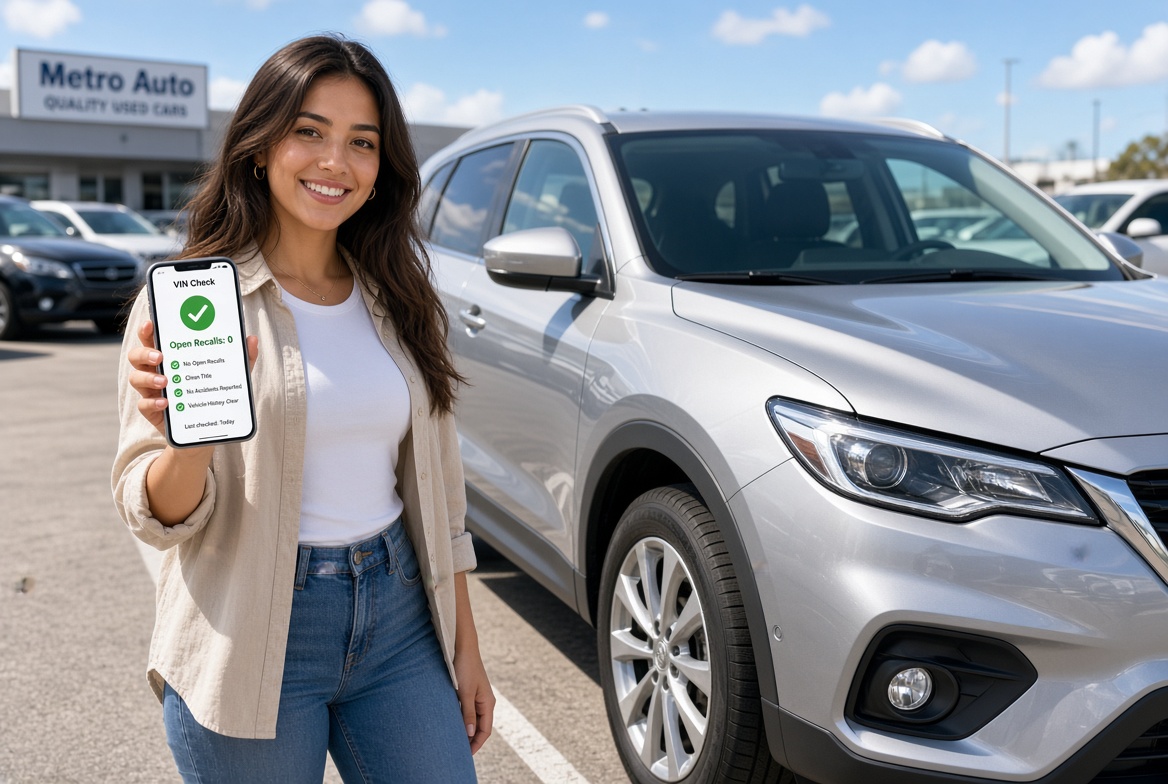
Enter it for a free decode with specs and open recalls, then get the full history report if the car is worth a closer look.
How to Check if a VIN is Real in 2026: Spotting Cloned Vehicles
Buying a used car can feel like navigating a minefield, especially with the rising threat of VIN cloning. This sophisticated fraud can leave you with a stolen vehicle, no title, and a huge financial loss. But don't worry, you don't have to go into this blind. With a few smart checks and the right tools, you can learn how to check a VIN number for free and verify its authenticity, protecting your investment in 2026.
What is VIN Cloning, and Why Should You Care?
VIN cloning is a serious scam where criminals steal a legitimate Vehicle Identification Number (VIN) from one car and stamp it onto a stolen car of the same make, model, and year. This makes the stolen vehicle appear legal, allowing fraudsters to sell it to unsuspecting buyers, who then become the victims when the car's true identity is uncovered.
Imagine buying what you think is a great deal, only to find out months later that your new ride is actually stolen property. You'd lose the car, your money, and potentially face legal complications. That's why understanding VIN cloning and how to identify it is crucial for every used-car buyer in 2026.
Understanding the VIN: Your Car's Unique Fingerprint
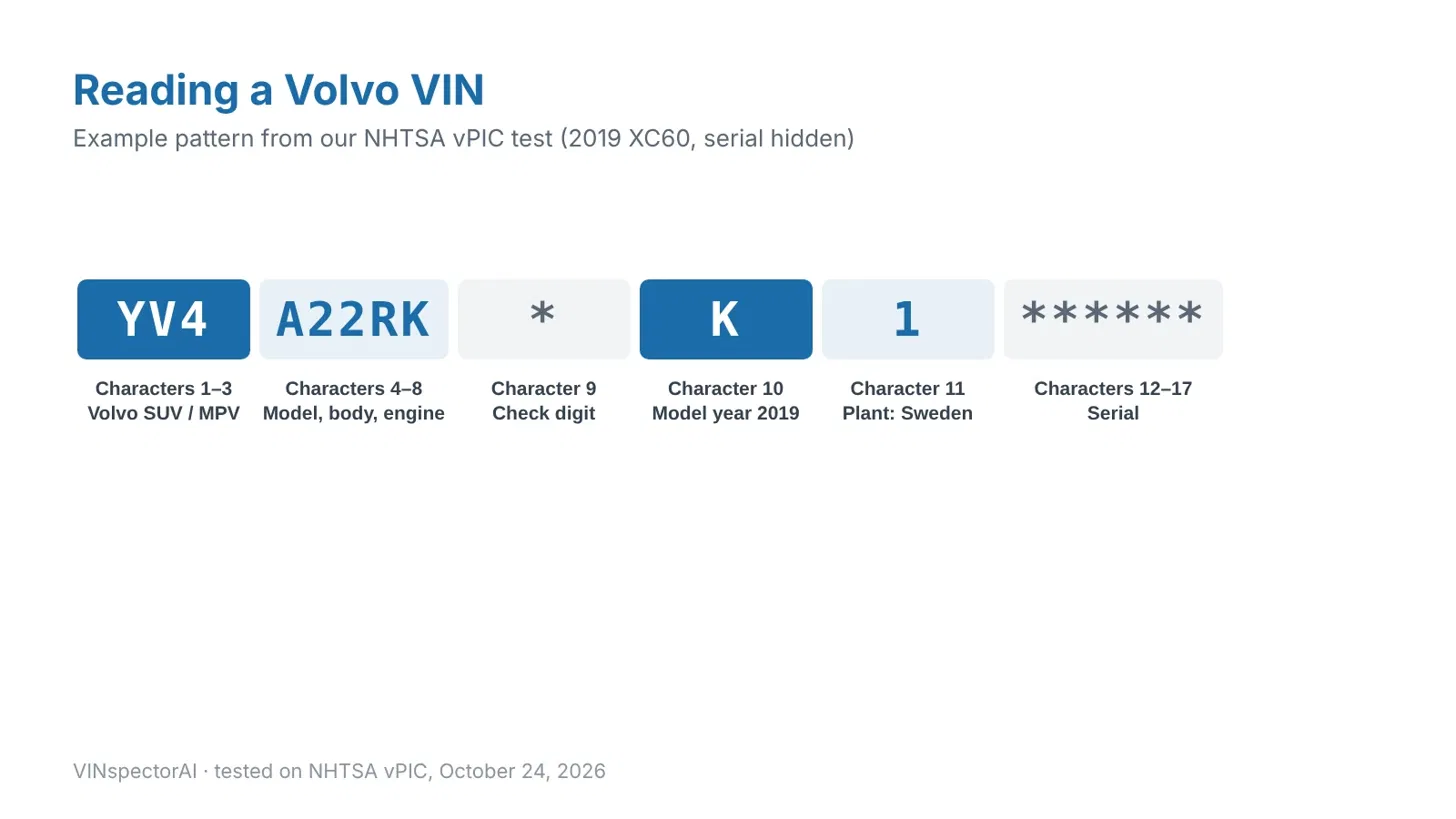
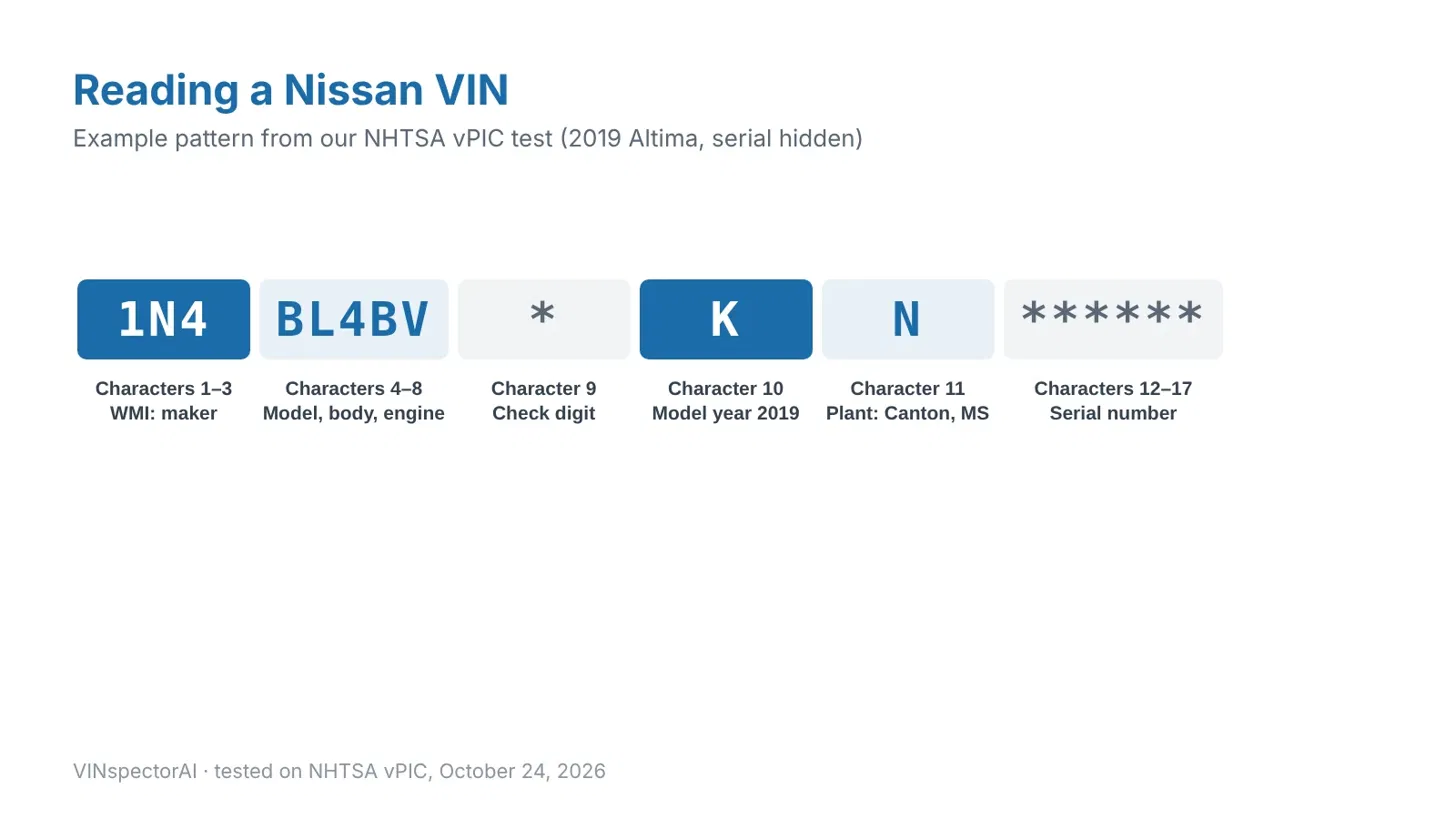
The Vehicle Identification Number (VIN) is a unique, 17-character code that acts as your car's individual identifier, containing information about its manufacturer, year of production, engine type, and more. This alphanumeric code is crucial for tracking a vehicle's entire history, from manufacturing to registration, accidents, and recalls, making it the most important piece of data for verifying a car's legitimacy.
Every character in the VIN holds specific meaning, providing a detailed snapshot of the vehicle. It's not just a random string of letters and numbers; it's a globally recognized standard that helps authorities, manufacturers, and consumers identify individual vehicles. Knowing how to decode a VIN yourself is a powerful first step in vetting any used car.
Where to Find the VIN on a Vehicle
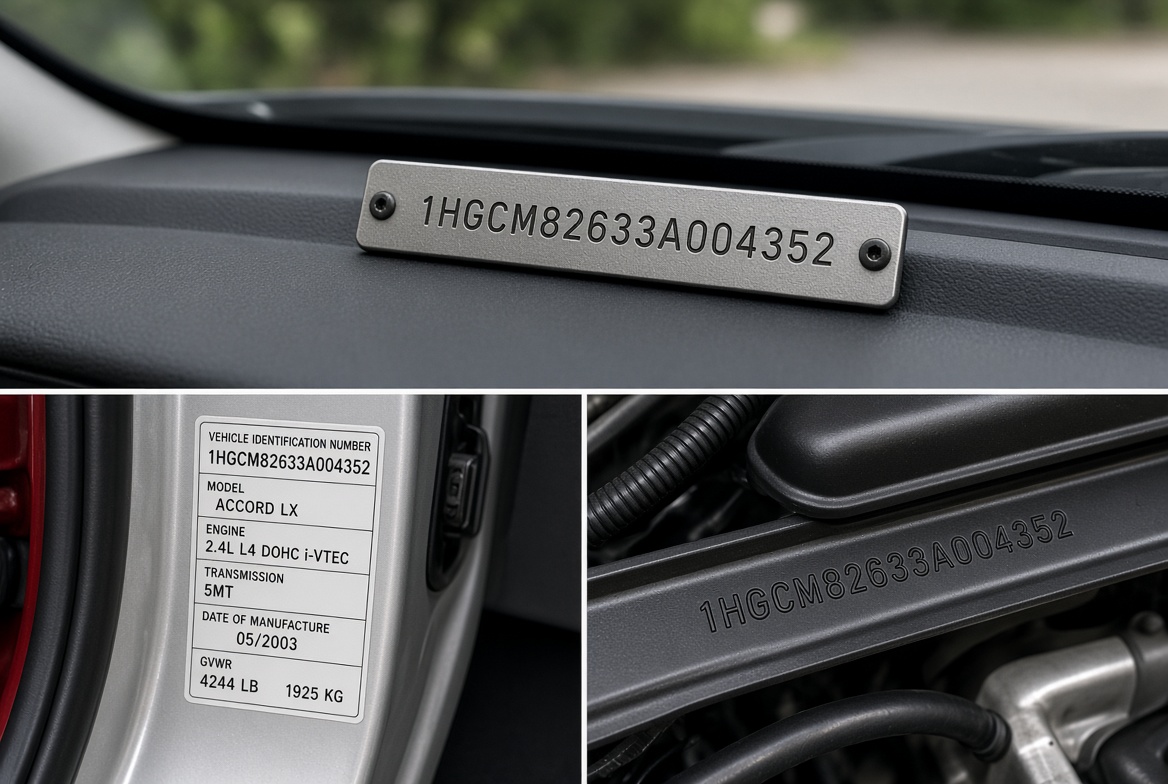
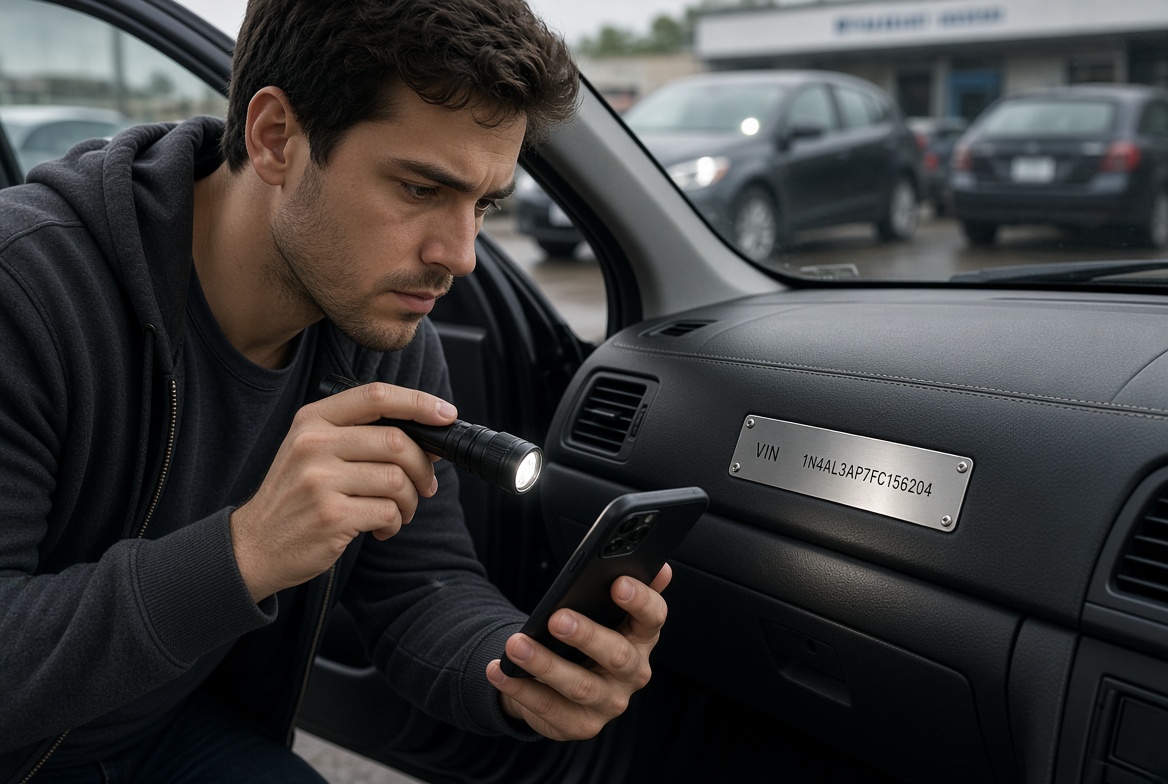
You can typically find a car's VIN in several standard locations, making it easy to cross-reference and confirm its presence. The most common spots include the dashboard (visible through the windshield on the driver's side), the driver's side door jamb, and often on the engine block or vehicle's frame.
Always check multiple locations. If the VIN plates look tampered with, or if the numbers don't match across different spots, that's a massive red flag. Fraudsters often overlook one of these locations, or their shoddy work becomes obvious upon close inspection. Also, compare the VIN on the car to the VIN on the vehicle's title, registration, and any service records.
Free VIN Check Options: What You Can Learn for Nothing
Have the VIN in front of you?
Enter it for a free decode with specs and open recalls, then get the full history report if the car is worth a closer look.
Several free resources exist where you can perform a basic VIN check, allowing you to decode essential vehicle information and uncover potential red flags without spending a dime. These free tools are an excellent starting point for any buyer looking to verify a VIN's authenticity and gather preliminary data.
While a free VIN check won't give you the full accident history or title brands, it provides crucial foundational data. Think of it as your initial screening process before you invest in a more detailed report.
1. VinSpectorAI's Free VIN Check
VinSpectorAI offers a robust free VIN check that quickly decodes the VIN to reveal the car's year, make, model, trim, engine, and manufacturing plant. It also provides counts of damage records, auction history records, and available photos, along with a summary of open NHTSA recalls for that year/make/model.
This free tool is an excellent first step because it gives you instant insights into the vehicle's basic identity and flags potential issues like numerous damage records or a history of auction sales. You can even get a short AI tip to guide your next move, all without needing to enter personal info or payment details.
2. National Insurance Crime Bureau (NICB) VINCheck
The NICB VINCheck is a free public service that allows you to check if a vehicle has been reported as stolen or declared a total loss by participating NICB member insurance companies. This is a vital check for identifying vehicles that might be involved in theft rings or have been salvaged after significant damage.
While NICB VINCheck is invaluable for spotting stolen or total-loss vehicles, it's important to remember that it only includes data from NICB member insurers. It won't provide details on accident history, odometer readings, or title brands unless they resulted in a total loss. Still, it's a non-negotiable step in your due diligence.
3. National Highway Traffic Safety Administration (NHTSA) Recall Lookup
The NHTSA website provides a free VIN lookup tool specifically for identifying open safety recalls on a particular vehicle by its VIN. This service is crucial for ensuring the car you're considering doesn't have outstanding safety issues that could put you or your passengers at risk.
Remember, the NHTSA tool will tell you if there are recalls for that specific VIN, but it won't confirm if the recall repairs have actually been completed. For that, you'll need to contact a franchised dealer with the VIN and ask them to check their service records. Recall repairs are always free at any franchised dealer under US law, so don't hesitate to ask.
4. State DMV Websites
Some state Department of Motor Vehicles (DMV) websites offer limited free VIN check services, primarily for verifying basic registration information or title status within that specific state. While not comprehensive, these can sometimes confirm current ownership details or reveal if a vehicle has a specific title brand recorded in that state's system.
However, these checks are usually limited to records within that state and might not catch title washing where a vehicle is moved across state lines to hide its history. Always cross-reference with other sources. You can often find your state's DMV website by searching for "[Your State] DMV official website".
Red Flags: Signs a VIN Might Be Cloned or Falsified
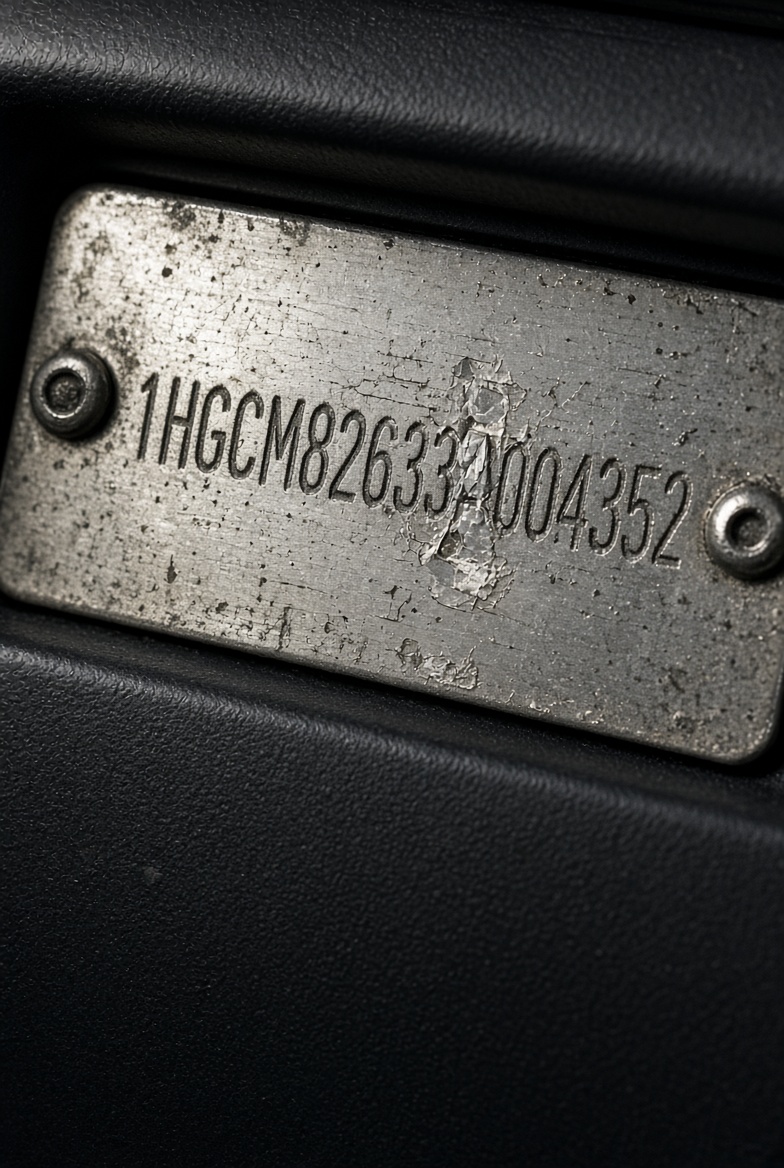
Spotting a cloned VIN often comes down to noticing discrepancies and unusual behaviors that don't quite add up, indicating that something is amiss with the vehicle's identity. These red flags range from physical tampering to suspicious seller actions and inconsistencies in documentation.
Criminals are getting smarter, but they often leave clues. Your best defense is a keen eye and a healthy dose of skepticism. Don't let the excitement of a potential purchase blind you to these critical warning signs.
n
Red Flag | Why It Matters | What to Do |
|---|---|---|
VIN plates look tampered with | Physical evidence of fraud; numbers might be glued over or scratched. | Compare VINs in multiple locations (dashboard, door jamb, title). Look for uneven fonts, misaligned numbers, or rivets that don't match. |
VINs don't match across locations | A genuine vehicle will have identical VINs in all official locations. | If the dashboard VIN differs from the door jamb, title, or registration, walk away immediately. |
Seller pressure to close quickly | Fraudsters want to complete the sale before you have time for thorough checks. | Insist on adequate time for inspections and history reports. Never rush a purchase. |
Price significantly below market value | If a deal seems too good to be true, it almost always is. | Research average market values for the specific make, model, and year. A suspiciously low price is a major warning. |
Missing or incomplete documentation | Legitimate sellers will have a clear title, registration, and service records. | Demand to see all original documents. Be wary of photocopies or excuses for missing paperwork. |
Vehicle description doesn't match VIN decode | The VIN decode from a free check should perfectly match the car's physical attributes. | Run a free VIN check; if the decoded make, model, year, or engine type doesn't match the car, it's a cloned VIN. |
Seller insists on meeting in unusual locations | Criminals prefer to operate in places where they can disappear quickly. | Always meet in public, well-lit places, ideally at a DMV or police station if possible. |
Advanced VIN Verification: When Free Isn't Enough
While free VIN checks offer a great starting point, they don't provide the comprehensive history needed to fully protect yourself from VIN cloning and other hidden issues. For true peace of mind, a detailed vehicle history report is essential, as it pulls data from numerous sources to give you the full picture.
This is where services like VinSpectorAI really shine. We go beyond the basics, offering in-depth reports that dig into critical areas free checks simply can't cover. It's about getting all the data, interpreted by AI, so you can make an informed decision.
Full Vehicle History Reports: The Deep Dive
A full vehicle history report from VinSpectorAI provides a comprehensive look into a car's past, including title history, accident records, odometer readings, and ownership timeline, which are all crucial for verifying a VIN's authenticity. These reports pull data from NMVTIS, NHTSA, and other sources to expose critical details that free checks miss.
Our reports include vital sections like:
Title History and Brands: Reveals if the car has ever had a salvage, rebuilt, flood, junk, or other branded title. Title washing, where a branded title is illegally 'cleaned' in another state, is a common fraud pattern our AI looks for.
Accident and Damage Records: Details any reported accidents, including point of impact and estimated repair costs.
Odometer Readings: A chronological list of mileage records helps detect odometer fraud, where mileage is rolled back. Our AI flags patterns like a frozen odometer (identical readings over long periods).
Ownership and Registration Timeline: Shows how many owners the car has had, where it was registered, and for how long.
Lien and Impound Records: Important for ensuring the car is free and clear to sell.
Auction History: Provides details and often photos from past auction sales, which can reveal hidden damage or a troubled past.
Every full report also includes a 12-point AI deep analysis. Our AI looks for the patterns humans miss — mileage that froze for two years, titles that got 'clean' after crossing a state line. This analysis provides a per-category rating (title, accident, odometer, lien, theft) and a clear verdict: Good Buy, Caution Advised, or High Risk.
Have the VIN in front of you?
Enter it for a free decode with specs and open recalls, then get the full history report if the car is worth a closer look.
VinSpectorAI's AI Analysis: Uncovering Hidden Fraud Patterns
VinSpectorAI's AI analysis interprets complex history data to flag subtle fraud patterns that might go unnoticed by a human eye, such as title washing across state lines or suspicious odometer inconsistencies. Our AI doesn't just present data; it tells you what that data means for your buying decision.
This AI-powered insight is particularly powerful for detecting VIN cloning and other sophisticated scams. By analyzing millions of data points and looking for anomalies, our system can highlight:
Frozen Odometers: Identical mileage readings recorded hundreds of days apart, a classic sign of odometer tampering.
Title Washing: When a vehicle's title brand (like salvage or flood) is removed by re-titling it in a state with less stringent reporting laws.
Unusual Ownership Gaps: Long periods where a vehicle has no registered owner, which can indicate it was stolen or in transit for fraudulent purposes.
Discrepancies in Vehicle Specifications: If the VIN decode indicates a different engine or trim level than what's physically present, it's a huge red flag for a potential VIN clone.
This deep analysis gives you a clear "Buy / Negotiate / Walk Away" verdict, along with a risk score and the reasoning behind it. It's like having a seasoned expert review every detail of the car's past for you.
The Importance of a Pre-Purchase Inspection (PPI) in 2026
Even with the most comprehensive vehicle history report, a pre-purchase inspection (PPI) by a qualified, independent mechanic remains an indispensable step to verify the car's current mechanical condition and physical integrity. A history report tells you the past; a PPI tells you the present.
No report, however detailed, can see a car's current condition or find events that were never reported. A mechanic can spot physical signs of tampering, hidden damage that wasn't reported to insurance, or mechanical issues that could cost you thousands down the road. Always combine a thorough VIN check with a hands-on inspection.
[YOUR EXPERIENCE HERE — the skill will not invent this]
What to Do if You Suspect a VIN is Cloned
If you encounter any red flags or suspect a VIN might be cloned, your immediate action should be to halt the purchase and contact law enforcement, as dealing with a cloned vehicle can have serious legal repercussions. Do not proceed with the sale, no matter how good the deal seems.
Here's a step-by-step guide:
Do NOT Buy the Car: This is the most critical step. Walking away from a suspicious deal is always better than becoming a victim.
Contact Local Law Enforcement: Report your suspicions to your local police department or state highway patrol. Provide them with all the details you have, including the seller's information (if any), the vehicle's VIN, and where you saw the car.
Notify the NICB: The National Insurance Crime Bureau is a great resource for reporting suspected VIN fraud.
Document Everything: Take photos of the VIN plates, any discrepancies, and the vehicle itself. Keep copies of all communications with the seller.
Share Your Experience: Warn others in your community or online forums about the suspicious activity (without naming competitors, of course).
For a deeper dive into the mechanics of VIN cloning and how our AI helps, check out our guide on VIN Cloning Explained: How to Spot a Cloned Vehicle.
Why VinSpectorAI is Your Trusted Partner in 2026
At VinSpectorAI, we're committed to empowering used-car buyers with the most accurate data and intelligent analysis available, ensuring you can make confident decisions and avoid costly scams like VIN cloning. Our platform combines comprehensive vehicle history reports with cutting-edge AI insights to give you an unparalleled advantage.
We understand the anxiety that comes with buying a used car. That's why we've built a system that not only provides detailed records but also interprets them for you, highlighting fraud patterns and giving you actionable advice. Our goal is to make sure you get a safe, reliable vehicle at a fair price.
From our free VIN check that decodes basic vehicle information and lists recall counts, to our $4.50 Quick Check that gives you a "Buy / Negotiate / Walk Away" verdict, and our full reports with deep AI analysis, we offer solutions for every stage of your car-buying journey. We believe in providing full history reports without the markup you'd find elsewhere, powered by AI that looks for the patterns humans miss.
Learn more about how our AI delivers trusted, detailed vehicle reports at VinSpectorAI: Trusted AI for Detailed Vehicle Reports.
Red Flag | Why It Matters | What to Do |
|---|---|---|
VIN plates look tampered with | Physical evidence of fraud; numbers might be glued over or scratched. | Compare VINs in multiple locations (dashboard, door jamb, title). Look for uneven fonts, misaligned numbers, or rivets that don't match. |
VINs don't match across locations | A genuine vehicle will have identical VINs in all official locations. | If the dashboard VIN differs from the door jamb, title, or registration, walk away immediately. |
Seller pressure to close quickly | Fraudsters want to complete the sale before you have time for thorough checks. | Insist on adequate time for inspections and history reports. Never rush a purchase. |
Price significantly below market value | If a deal seems too good to be true, it almost always is. | Research average market values for the specific make, model, and year. A suspiciously low price is a major warning. |
Missing or incomplete documentation | Legitimate sellers will have a clear title, registration, and service records. | Demand to see all original documents. Be wary of photocopies or excuses for missing paperwork. |
Vehicle description doesn't match VIN decode | The VIN decode from a free check should perfectly match the car's physical attributes. | Run a free VIN check; if the decoded make, model, year, or engine type doesn't match the car, it's a cloned VIN. |
Seller insists on meeting in unusual locations | Criminals prefer to operate in places where they can disappear quickly. | Always meet in public, well-lit places, ideally at a DMV or police station if possible. |
Frequently Asked Questions
Get answers to common questions about How to Check if a VIN is Real in 2026: Spotting Cloned Vehicles