VIN Cloning Explained: How to Spot a Cloned Vehicle
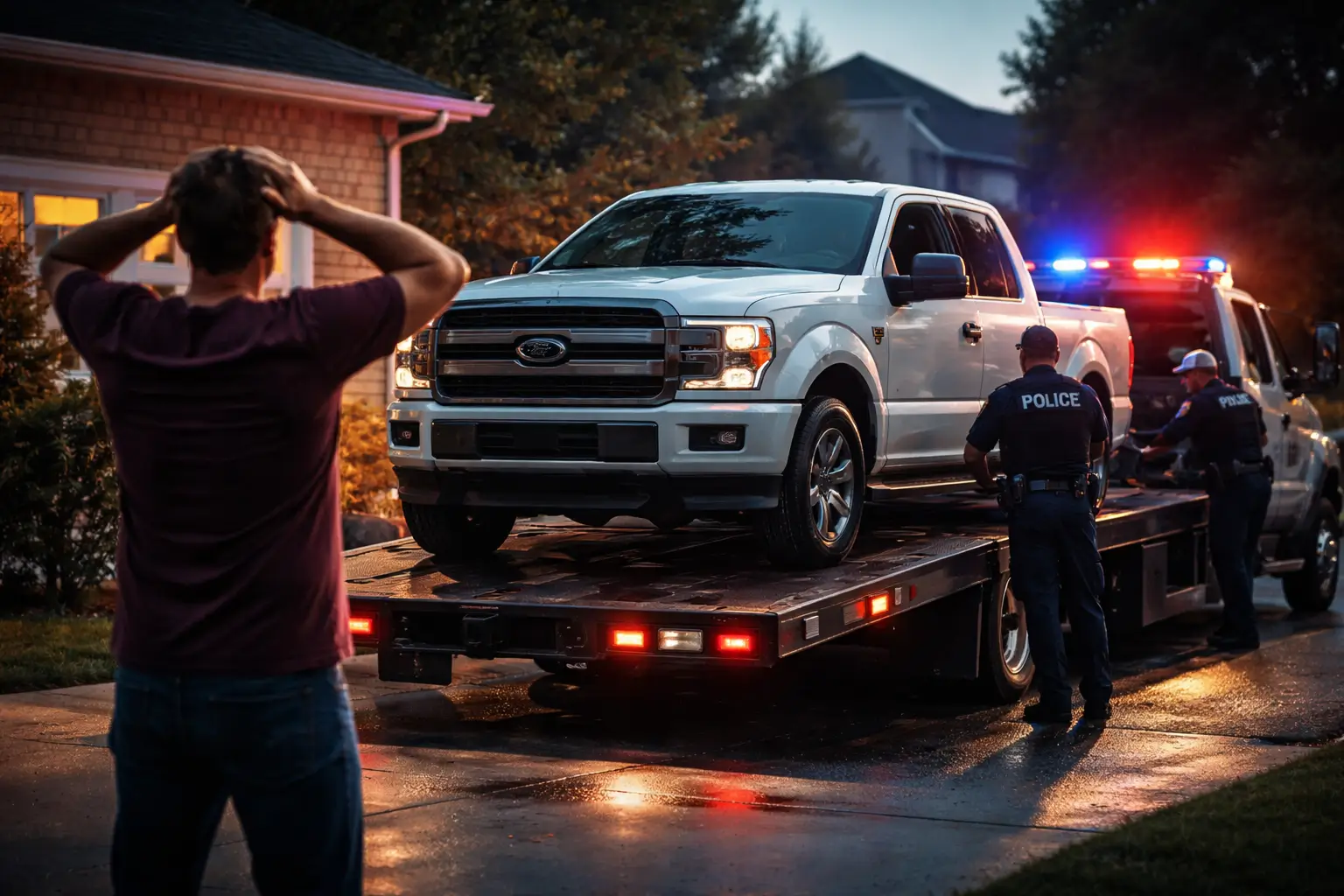
A Florida man paid $28,000 for what looked like a pristine 2019 Ford F-150 from a private seller. Three months later, police showed up at his door and towed it away. The truck was stolen. The VIN was cloned.
He lost everything—the truck, the money, and his faith in used car buying. This happens more often than most people realize, and the victims are regular folks who thought they did their homework.
What Is VIN Cloning and Why Should You Care?
VIN cloning is identity theft for vehicles. Thieves steal a car, then replace its Vehicle Identification Number with a legitimate VIN from a similar vehicle that hasn't been reported stolen. The cloned VIN usually comes from a car that was totaled, salvaged, or sitting in a junkyard somewhere.
Here's what makes this fraud so dangerous: the cloned VIN checks out clean. Run a basic VIN check on the fake number, and you'll see a vehicle with no theft reports, no liens, no problems. Everything looks perfect because you're checking the wrong car's history.
The National Insurance Crime Bureau estimates that VIN cloning costs consumers and insurers over $1 billion annually. Those numbers only capture reported cases—many victims never realize they bought a cloned vehicle until law enforcement comes knocking.
How VIN Cloning Actually Works
Thieves don't need sophisticated equipment. They need patience and access to vehicle records.
First, they steal a desirable vehicle—usually a popular truck or SUV with high resale value. Then they search online listings, auction sites, or salvage yards for a similar vehicle: same make, model, year, color, and trim level. That legitimate vehicle becomes the "donor."
The criminal obtains the donor VIN through public records, insurance databases, or simply by photographing VIN plates at dealerships and parking lots. Some thieves even buy totaled vehicles at auction just to harvest their VINs.
Next comes the cloning process. They create counterfeit VIN plates, stickers, and documentation using the donor's number. Modern laser engravers and printing equipment make this disturbingly easy. The fake VIN goes everywhere: the dashboard plate, the door jamb sticker, under the hood, and on forged titles.
The stolen vehicle now has a new identity. It matches a real VIN in government databases. The title looks legitimate. Even police officers might not spot the fraud during a routine traffic stop.
The Red Flags That Expose Cloned Vehicles
We've analyzed hundreds of VIN cloning cases, and certain patterns emerge consistently. These warning signs should trigger immediate skepticism.
Price Too Good to Ignore
Cloned vehicles typically sell for 15-30% below market value. Thieves want quick sales before anyone notices. If you're looking at a 2021 Toyota Tacoma listed at $26,000 when comparable trucks sell for $35,000, you've found your first red flag.
Sellers justify low prices with stories: divorce, military deployment, inherited from a relative, need money fast. These explanations might be true. Or they might be cover stories.
Documentation Feels Off
Legitimate sellers have paperwork trails. Cloners have excuses.
Watch for:
Titles that look too new or have inconsistent fonts
Registration from a different state than where the seller lives
Missing service records or owner's manual
Reluctance to show original purchase documents
Title marked as a "duplicate" or "replacement"
One particularly brazen scheme involves sellers claiming they "just got the title" from the DMV. The fresh-looking document seems to explain why it looks new. In reality, they printed it last week.
The Seller Seems Rushed or Evasive
Legitimate sellers answer questions. They let you inspect the vehicle thoroughly. They don't pressure you to decide immediately.
Cloners operate differently. They push for quick cash transactions. They discourage pre-purchase inspections. They suggest meeting in parking lots rather than at their home. They get defensive when you ask about vehicle history.
Trust your instincts here. If someone makes you uncomfortable, walk away.
VIN Plates Show Tampering
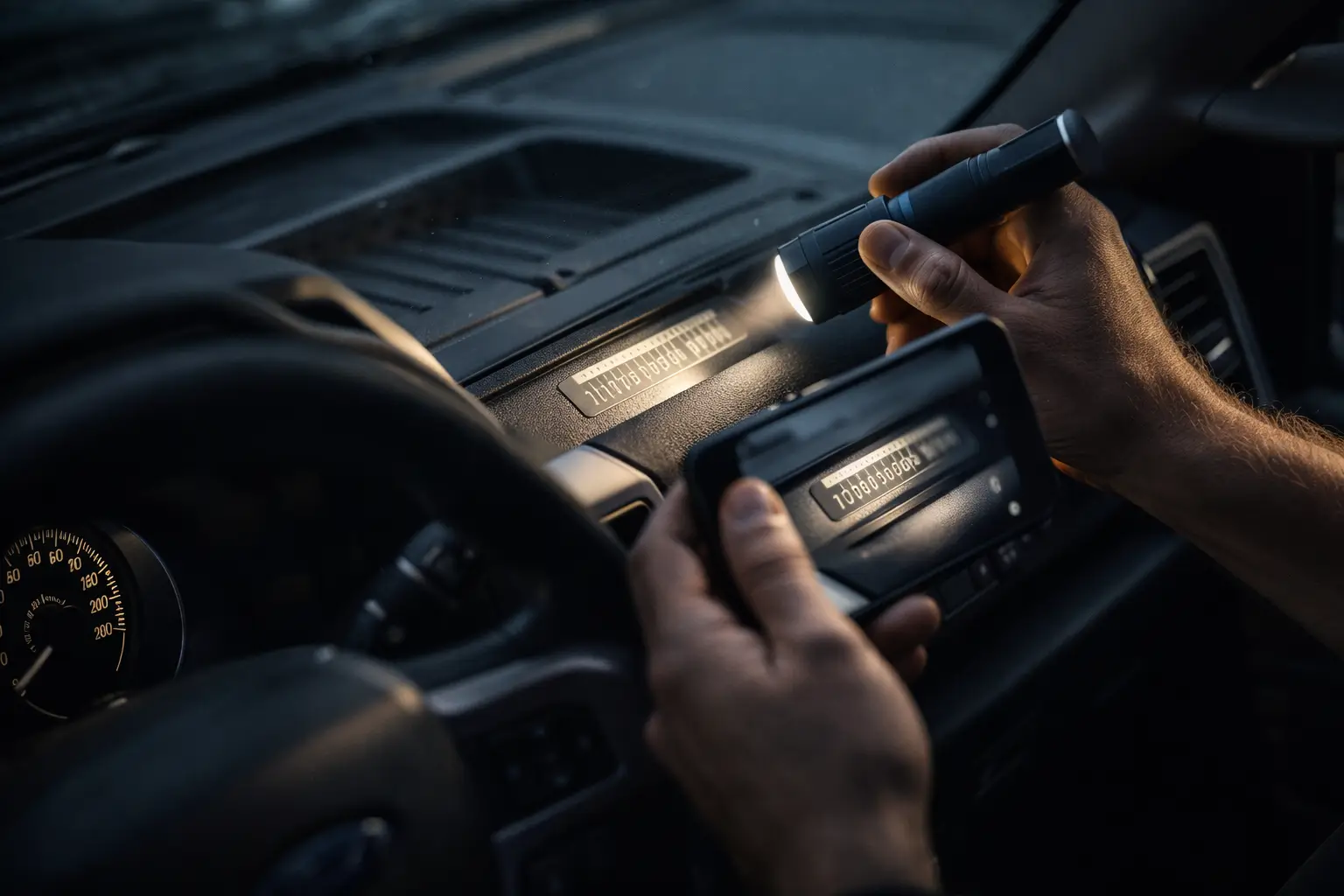
Every vehicle has multiple VIN locations—typically 8-12 spots throughout the car. The dashboard plate is easiest to access, which makes it the easiest to fake.
Inspect these areas carefully:
Dashboard VIN (visible through windshield)
Driver's door jamb sticker
Engine block
Frame rail (under vehicle)
Firewall
Trunk or rear body panel
Look for:
Mismatched rivets (factory rivets are specific to each manufacturer)
Scratches or tool marks around the VIN plate
Different fonts or spacing between VIN locations
Stickers that look too new on an older vehicle
Adhesive residue or discoloration
Factory VIN plates use rosette rivets that are nearly impossible to remove without leaving marks. If the rivets look different from other factory rivets nearby, someone replaced that plate.
The Numbers Don't Match the Vehicle
VINs encode specific information about the vehicle. The 10th digit indicates model year. The 11th shows the assembly plant. Digits 4-8 describe the vehicle type, engine, and body style.
Decode the VIN and verify it matches what you're seeing. If the VIN says "V8 engine" but you're looking at a 4-cylinder, something's wrong. If it indicates a Texas assembly plant but the seller claims it's always been in California, dig deeper.
Use our free VIN decoder to verify these details match the actual vehicle.
Your Step-by-Step Verification Process
Don't rely on a single check. Cloners expect you to run a basic VIN report and call it good. Beat them with thoroughness.
Step 1: Run Multiple VIN Checks
Start with a comprehensive VIN report from VinspectorAI. This shows title history, accident records, odometer readings, and theft reports. But don't stop there.
Cross-reference with:
National Motor Vehicle Title Information System (NMVTIS)
National Insurance Crime Bureau's VINCheck
The manufacturer's vehicle history (many offer free lookups)
If you're buying in a specific state, use our state-specific resources for additional verification. For example, our Texas VIN check includes state-specific title and registration data.
Step 2: Physically Verify All VIN Locations
Bring a flashlight and a camera. Document every VIN location you can access. Take clear photos.
Compare all visible VINs to ensure they match exactly. Even one character difference means fraud. Check that fonts, spacing, and stamping depth look consistent across locations.
The engine block and frame VINs are hardest to fake because they require metalworking skills. If the dashboard VIN differs from the engine VIN, you've caught a cloner.
Step 3: Get a Pre-Purchase Inspection
Pay a mechanic $100-200 to inspect the vehicle thoroughly. Specifically ask them to:
Verify all VIN locations
Check for signs of VIN tampering
Look for evidence of repainting (common after VIN cloning)
Inspect for theft-recovery indicators (damaged ignition, missing parts)
Legitimate sellers welcome inspections. Cloners refuse them.
Step 4: Contact the Police Non-Emergency Line
Before exchanging money, call the local police non-emergency number. Explain you're buying a used vehicle and want to verify it's not stolen. Provide the VIN.
Most departments will run a quick check. This takes five minutes and could save you thousands.
Some police departments offer "meet and greet" locations specifically for private sales—safe, monitored parking lots where you can complete transactions. Use them.
Step 5: Verify the Seller's Identity
The name on the title must match the seller's driver's license. No exceptions.
If someone claims to be selling for a friend, relative, or business, get documentation proving their authority to sell. Better yet, insist on meeting the actual owner.
Search the seller's name and phone number online. Check their social media. Verify they're a real person with a real history. Cloners often use burner phones and fake identities.
Step 6: Check the Title Carefully
Authentic titles have security features:
Watermarks
Microprinting
Color-shifting ink
Specific paper texture
Compare the title to your state's DMV website, which usually shows what legitimate titles look like. Look for inconsistencies in fonts, spacing, or official seals.
Verify the title number with your state DMV. Most states let you check if a title number is valid and matches the VIN.
What Happens If You Buy a Cloned Vehicle
The legal reality is harsh: you lose everything.
You don't get to keep the vehicle. Law enforcement seizes it and returns it to the rightful owner or their insurance company. You don't get compensated. You don't get your money back unless you can find the seller (unlikely) and successfully sue them (expensive and time-consuming).
Your insurance won't cover the loss. Your lender still expects payment if you financed the purchase. You're left with a car loan for a vehicle you no longer possess.
Some states offer victim compensation programs, but these rarely cover the full loss. Most cap payments at $5,000-10,000.
This is why prevention matters so much. Once you've bought a cloned vehicle, your options are terrible.
Brand-Specific Cloning Targets
Certain vehicles get cloned more frequently because they're easier to steal and have strong resale demand.
Ford F-150s and F-250s top the list. We see cloned Ford trucks constantly, especially newer models with luxury trims. Thieves love them because they're everywhere—finding a donor VIN is easy.
Toyota Tacomas and 4Runners rank second. These vehicles hold value exceptionally well, making them profitable cloning targets. If you're shopping for a Toyota, be extra vigilant.
Chevrolet Silverados, GMC Sierras, and Ram pickups follow closely. The pattern is clear: popular trucks with high resale values attract cloners.
Luxury SUVs—particularly Range Rovers, Cadillac Escalades, and Mercedes G-Wagons—also get cloned frequently. These vehicles sell for enough money to justify the extra effort.
The Contrarian Truth About VIN Cloning
Here's what the industry doesn't want to admit: VIN cloning exists because the system is fundamentally broken.
We've created a vehicle identification system that's simultaneously critical for tracking ownership and absurdly easy to forge. The VIN plate on your dashboard is held on with two rivets. That's it. That's the security measure protecting a $40,000 asset.
State DMVs don't cross-reference VINs effectively. A cloner can register a stolen vehicle in Florida using a VIN from a totaled car in Oregon, and nobody notices. The databases don't talk to each other properly.
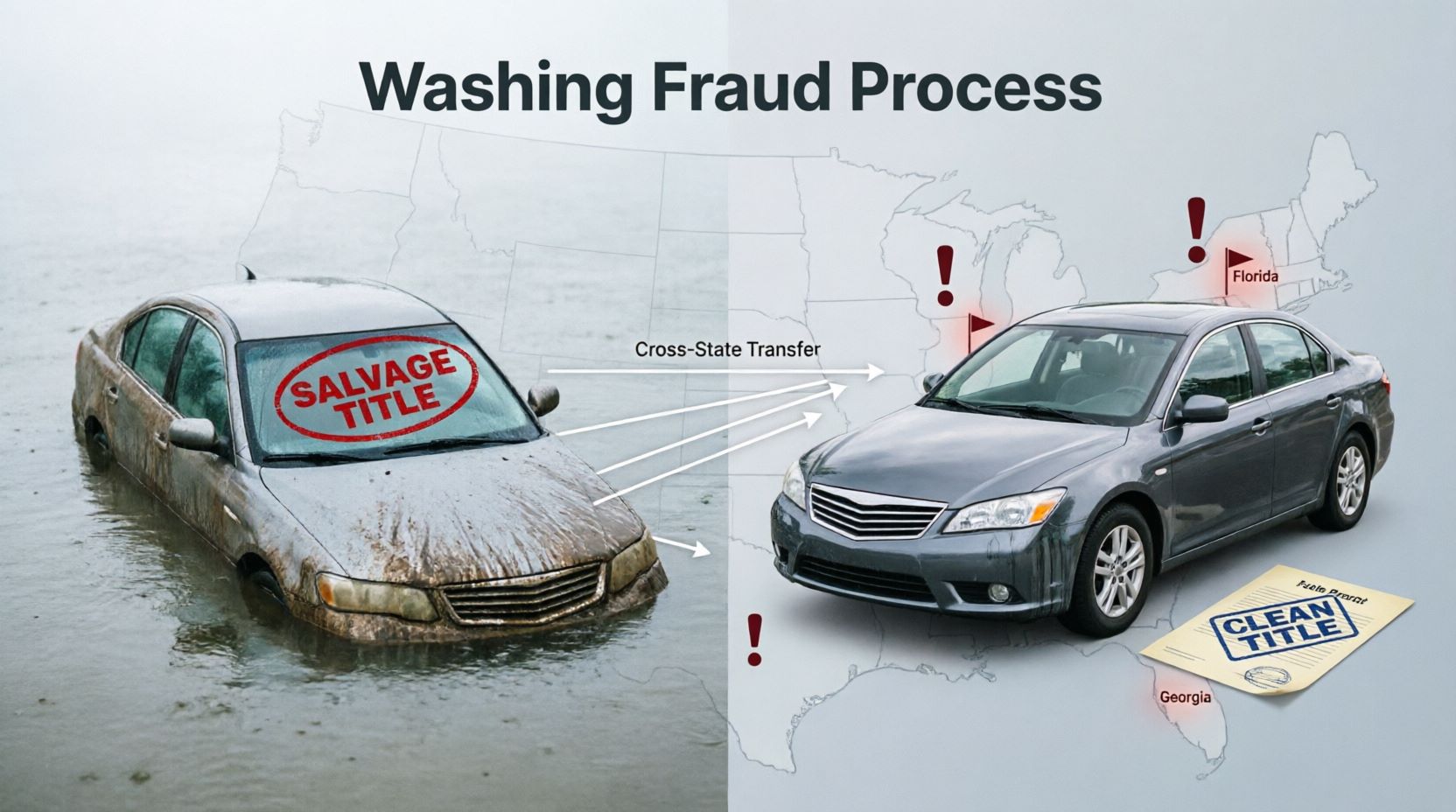
Title washing—moving a vehicle between states to clean its history—remains ridiculously simple. Cloning exploits the same systemic weaknesses.
The real solution isn't better consumer vigilance (though that helps). It's blockchain-based vehicle registration systems that make VIN fraud technologically impossible. Several countries are moving this direction. The U.S. isn't.
Until the system changes, you're on your own.
Frequently Asked Questions
Get answers to common questions about VIN Cloning Explained: How to Spot a Cloned Vehicle
Uncover Complete Vehicle History Reports
Discover critical vehicle information before you buy. Our VIN decoder reveals accident records, title status, recalls, and service history to help you make informed decisions.