P0016 Code Explained: Crankshaft-Camshaft Timing
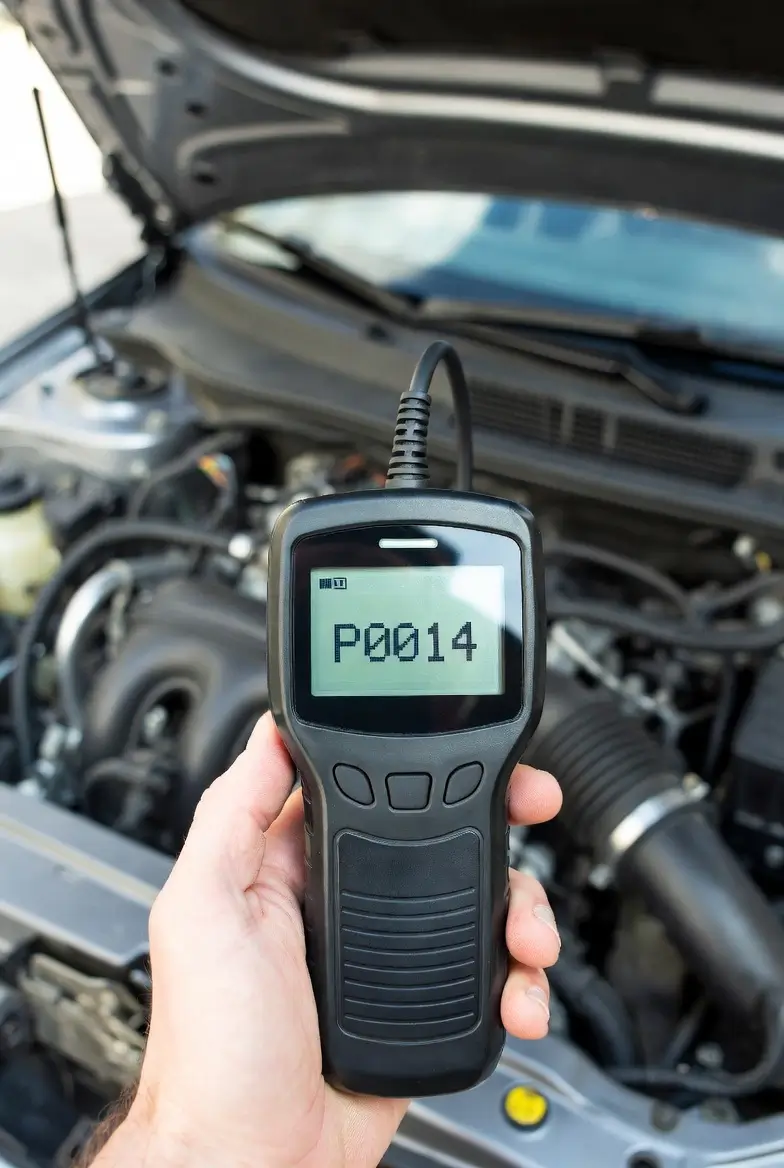
A P0016 code means your engine's crankshaft and camshaft aren't turning in sync the way the computer expects. That's not a minor glitch — timing correlation problems can lead to serious engine damage if left unresolved. Here's what causes it, how urgent it really is, and what a fix typically costs.
What Does the P0016 Code Mean?
P0016 stands for "Crankshaft Position — Camshaft Position Correlation (Bank 1, Sensor A)." The crankshaft controls piston movement, while the camshaft controls valve timing. These two components must stay precisely synchronized for the engine to run correctly — if they drift out of alignment, valves can open or close at the wrong moment relative to piston position.
The engine control module (ECM) uses signals from the crankshaft position sensor and camshaft position sensor to continuously verify this relationship. When the signals fall outside the expected correlation window, P0016 sets and the check engine light illuminates.
Unlike some diagnostic codes that reflect a minor sensor issue, P0016 often points to an actual mechanical timing problem — which is why it deserves more urgency than many other check engine codes.
Common Symptoms of P0016
Check engine light on, often accompanied by reduced engine performance
Difficulty starting the engine, or extended cranking before it fires
Rough idle or noticeable vibration
Hesitation, stumbling, or misfiring during acceleration
Reduced power output across the RPM range
In more advanced cases, the engine may stall or fail to start entirely
A rattling or ticking noise from the timing chain area
Some vehicles continue running with P0016 present, just with reduced performance. Others enter limp mode immediately as a protective measure. The variation depends heavily on how far the timing components have drifted and which specific engine platform is affected.
What Causes P0016?
Cause | Severity | Repair Cost | Requires Specialist? |
|---|---|---|---|
Stretched or worn timing chain | High | $800–$2,000 | Yes |
Timing chain tensioner failure | High | $400–$1,200 | Yes |
Low or contaminated engine oil | Moderate | $50–$100 | No |
Faulty crankshaft position sensor | Moderate | $150–$350 | Recommended |
Faulty camshaft position sensor | Moderate | $150–$350 | Recommended |
Wiring or connector damage | Low–Moderate | $80–$200 | Recommended |
Jumped timing chain (skipped a tooth) | High | $1,000–$2,500 | Yes |
The most concerning cause on this list is a stretched or jumped timing chain, because it directly reflects a real mechanical misalignment rather than a sensor reading a false signal. That said, low or degraded oil remains a frequent and far cheaper culprit, since inadequate lubrication accelerates chain and tensioner wear over time.
How to Diagnose P0016
Check engine oil level and quality immediately. Chronic low oil is one of the leading causes of premature timing chain wear, and it's the cheapest thing to rule out first.
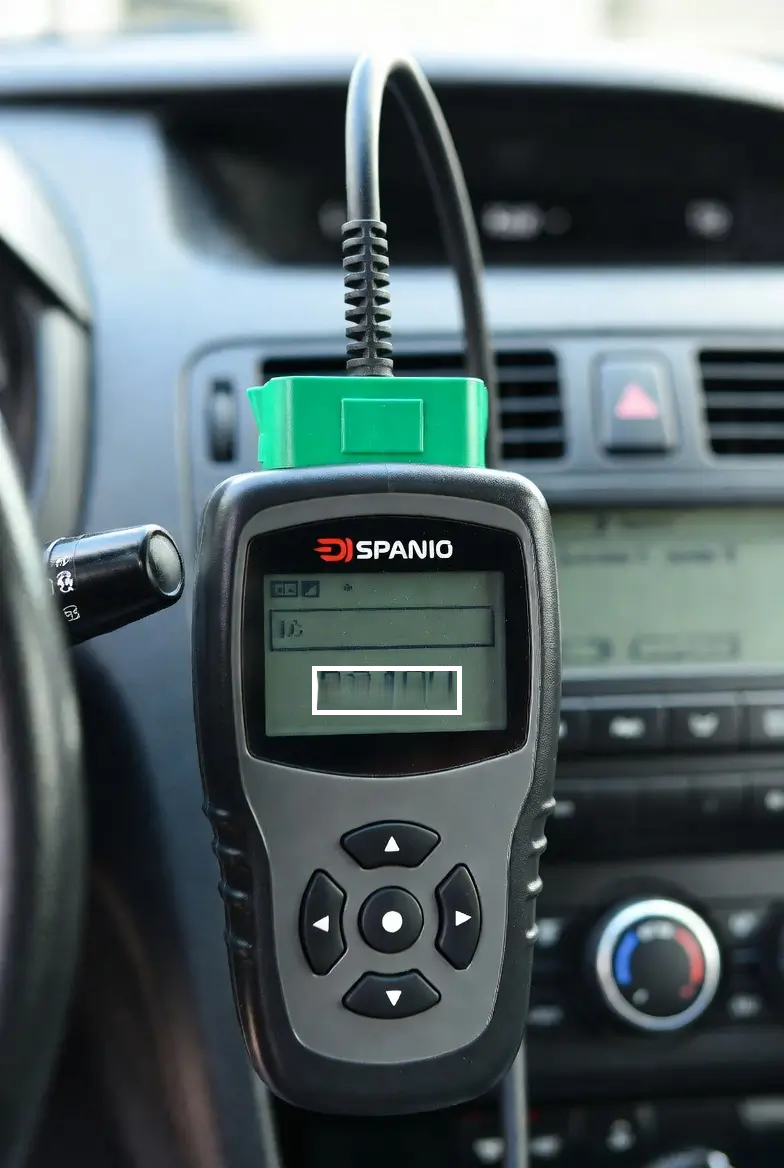
Scan for companion codes. P0016 frequently appears alongside P0017, P0008, or P0009. Multiple correlation codes strongly suggest a mechanical timing issue rather than an isolated sensor fault.
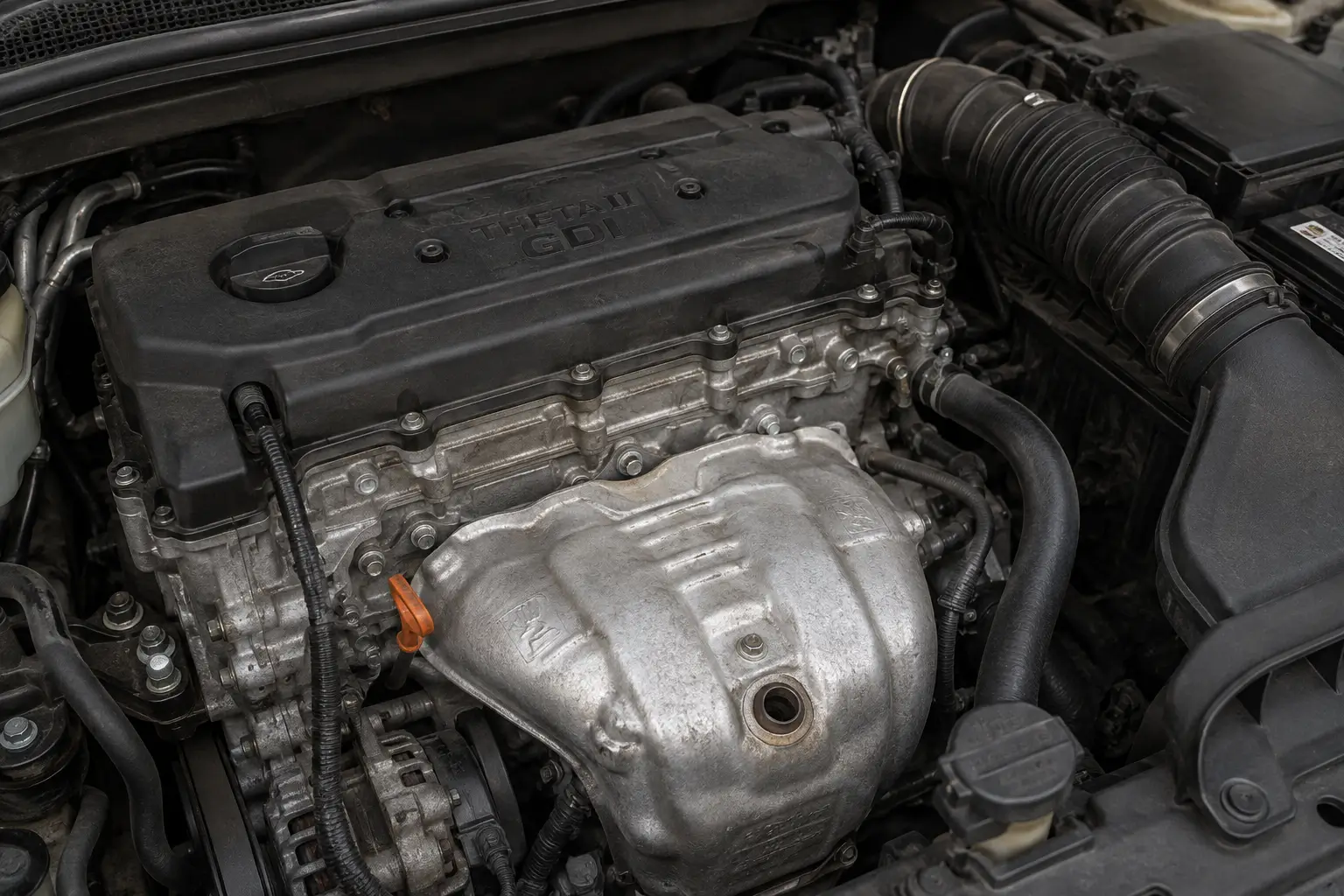
Inspect the timing chain visually or with a borescope if you have access, looking for visible slack or wear on guides.
Test both the crankshaft and camshaft position sensors individually with a multimeter or scan tool live-data feed to rule out a simple sensor failure before assuming chain damage.
Check for chain tensioner failure, which can allow the chain to skip even if the chain itself is in reasonable condition.
Have a professional verify timing marks if the code persists — this typically requires removing the timing cover, which is not a casual DIY task.
Is It Safe to Keep Driving with P0016?
This is one code where caution matters more than usual. A minor correlation drift caused by low oil or a failing sensor is generally safe for a short drive to a shop. But if the timing chain has actually jumped or stretched significantly, continuing to drive risks valve-to-piston contact, which can destroy an engine in an interference design. If the check engine light is flashing, if you hear a rattling noise from the timing chain area, or if the engine hesitates or stumbles noticeably, it's worth having the vehicle towed rather than driven.
Buying a Used Car? A Clean Test Drive Doesn't Rule This Out
Timing chain issues develop gradually, and a code like P0016 can be cleared right before a sale, resetting the check engine light without fixing the underlying wear. A short test drive won't reveal a stretched chain that hasn't fully failed yet. This is exactly the kind of hidden mechanical risk that a full vehicle history check is designed to surface, alongside prior accident damage, odometer records, and title status.
If you're shopping for a used car in Florida or Illinois, a VIN check before purchase can surface service records and prior issues that aren't visible during a walkaround or test drive.
For related diagnostic issues, see our guide on common car engine problems.
Frequently Asked Questions
Get answers to common questions about P0016 Code Explained: Crankshaft-Camshaft Timing
Uncover Complete Vehicle History Reports
Discover critical vehicle information before you buy. Our VIN decoder reveals accident records, title status, recalls, and service history to help you make informed decisions.