When Is the Best Time to Buy a Used Car? A Seasonal Guide
Buying a used car is a significant financial decision, and timing your purchase can be just as important as choosing the right model. While there's no universal "perfect" day, certain times of the year offer distinct advantages that can lead to better selection, stronger negotiation power, and ultimately, more value for your money. This guide breaks down the best times to buy a used car, the essential steps you must take before purchasing, and the key advantages of choosing a pre-owned vehicle.
What Is the Absolute Best Time of Year to Buy a Used Car?
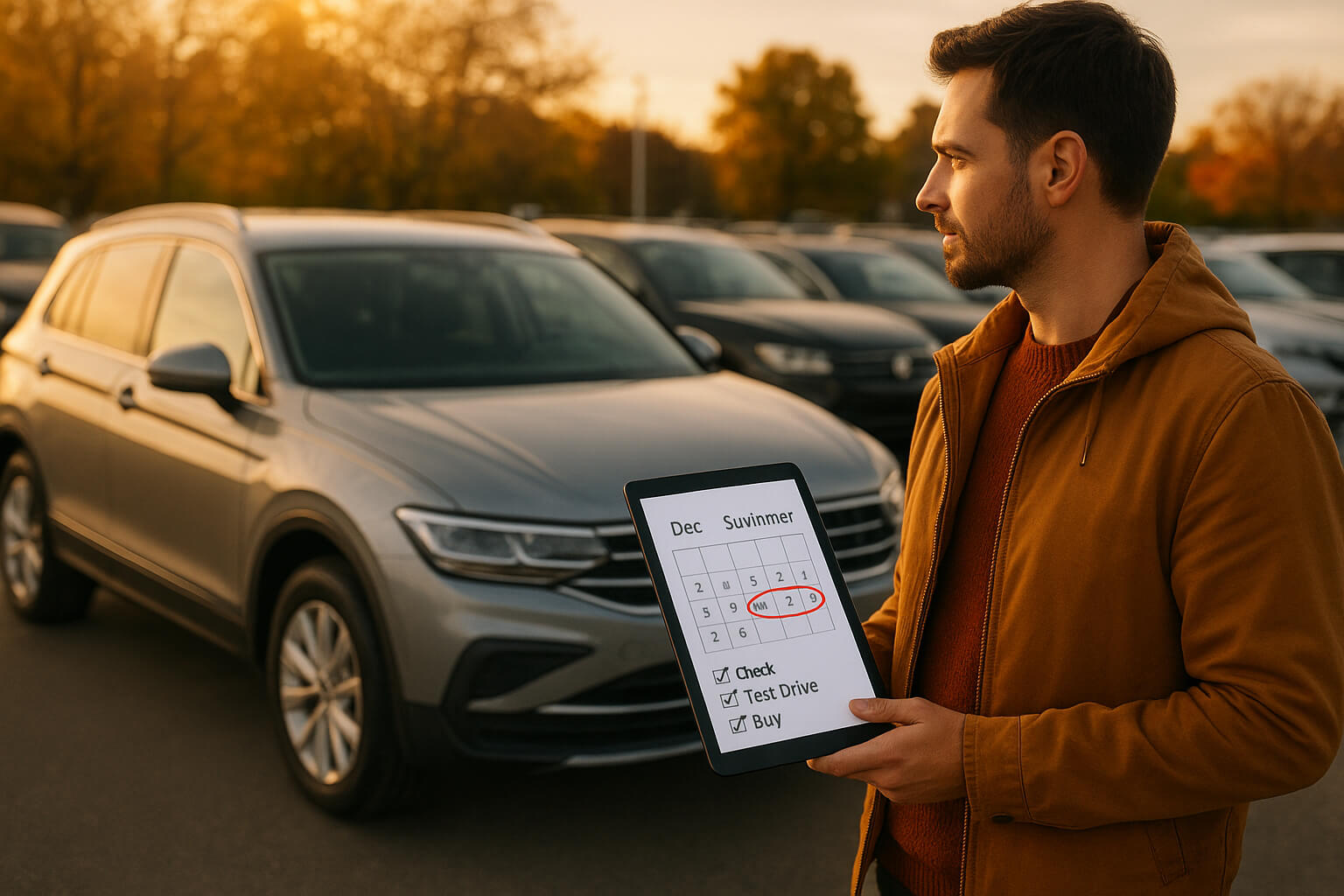
If securing the best possible deal is your top priority, target the end of the calendar year and the transition into the new year (late December through January). This period is prime time for buyers for several key reasons:
Dealer Inventory Clearance: Dealerships are highly motivated to clear out current-year used inventory to make room for incoming new models and fresh trade-ins. This urgency often translates into more negotiable prices and special promotions.
Sales Quotas: Sales teams and dealerships are pushing to meet or exceed annual sales targets, making them more likely to offer discounts to close deals.
Holiday Sales Events: Look for events tied to holidays like Black Friday, Cyber Monday, and Year-End Sales, which often include incentives on used vehicles.
Purchasing during this window requires readiness to act quickly, as the best deals on the most desirable cars can move fast.
Other Good Times to Get a Used Vehicle: Summer & Winter Advantages
Beyond the year-end rush, other seasons offer unique opportunities:
The Summer Months (May-August):
High Turnover: This is the traditional peak season for car sales. As more people buy new cars, the influx of recent trade-ins increases the supply of used vehicles, giving you more options to choose from.
Better Test-Driving Conditions: Warm, dry weather allows for a more thorough and comfortable test drive, making it easier to assess the car's performance, listen for noises, and inspect the interior and exterior in good light.
The Winter Months (December-February, excluding the holiday period):
Lower Buyer Competition: Fewer people shop for cars in the cold, leading to less foot traffic on dealer lots. This can give you significant leverage in negotiations, as salespeople are eager for any sale.
Potential for "Seasonal" Deals: You might find better prices on convertibles or sports cars in winter, and on SUVs and 4x4s in late summer, as demand fluctuates.
What You MUST Do Before Buying Any Used Car
Never skip due diligence. These three steps are non-negotiable for a smart purchase:
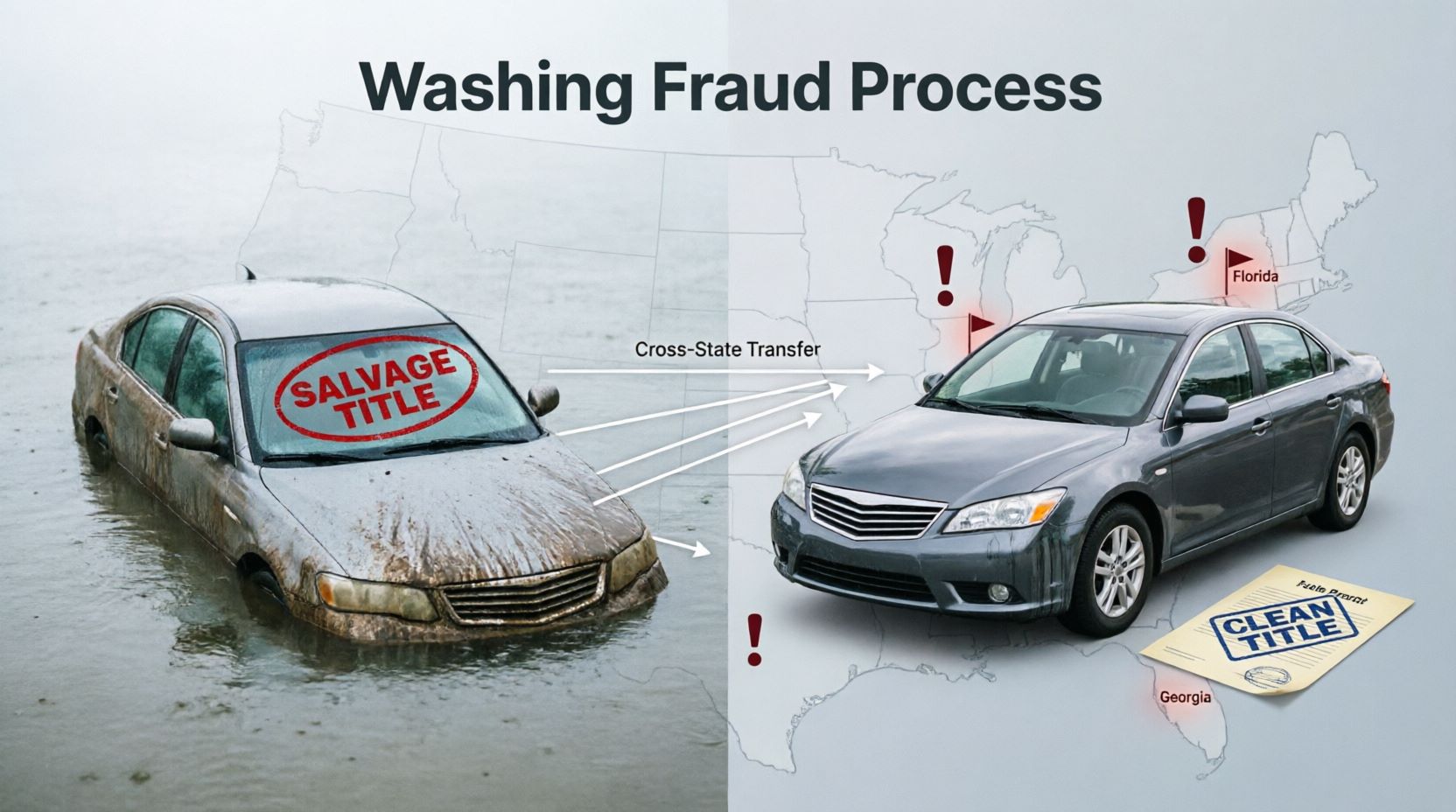
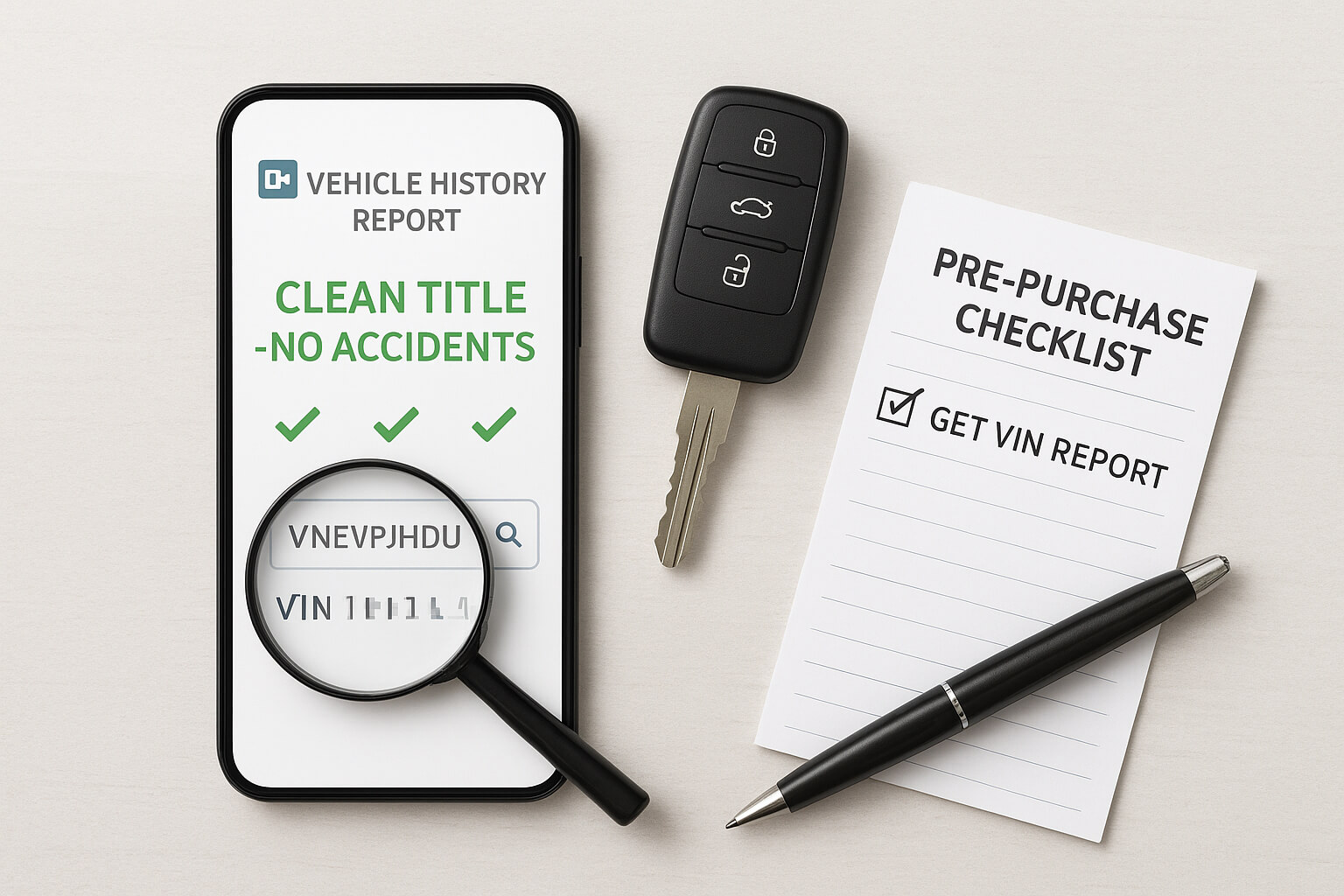
Get a Comprehensive Vehicle History Report: This is your first and most critical step. Using the car's unique Vehicle Identification Number (VIN), a service like VinspectorAI can generate a detailed report that reveals hidden problems like prior accidents, flood damage, odometer rollbacks, and salvage titles. This information is vital for assessing true value and safety.
Conduct a Thorough Personal Inspection: Look for signs of rust, uneven paint (indicating repairs), tire wear, and interior damage. Test every feature: lights, air conditioning, infotainment system, windows, and locks.
Invest in a Pre-Purchase Inspection (PPI): Hire an independent mechanic to put the car on a lift. A PPI can uncover existing or potential mechanical, electrical, and safety issues that aren't visible during a test drive, potentially saving you thousands in future repairs.
The Biggest Pros and Cons of Buying Used vs. New
Weighing these factors will help you decide if a used car is right for you.
Pros of Buying Used | Cons of Buying Used |
|---|---|
Lower Purchase Price & Depreciation: The previous owner absorbed the steepest initial depreciation hit. | Unknown History: Potential for hidden mechanical issues or prior damage without proper checks. |
Lower Insurance Costs: Insurance premiums are typically lower due to the car's reduced value. | Limited Warranty: May come with a short or no warranty, leading to higher out-of-pocket repair costs. |
More Car for Your Budget: Allows you to afford a higher trim level or a more luxurious brand. | Outdated Technology: May lack the latest safety features, driver aids, and infotainment systems. |
Easier Registration & Taxes: Sales tax and registration fees are calculated on the lower purchase price. | Higher Maintenance Risk: May require more frequent repairs and maintenance sooner than a new car. |
Why a VIN Check Is Non-Negotiable Before You Buy
Consider the vehicle history report your financial and safety shield. Skipping this step is like buying a house without an inspection. A detailed VIN check from a trusted source does what a visual inspection cannot:
Verifies Legal Standing: Confirms the VIN isn't stolen and there are no active liens (unpaid loans) on the vehicle.
Uncovers Hidden Damage: Reports accidents, even if repairs were done privately and aren't visibly apparent.
Establishes a True Maintenance Trail: Some reports show service records, proving if the car was cared for regularly.
Empowers Your Negotiation: Armed with a clean report from VinspectorAI, you can confidently justify your offer. If the report reveals issues, you can walk away or negotiate a drastically lower price to account for future repairs. It transforms you from a hopeful buyer into an informed negotiator.
This single step mitigates the biggest risk of buying used and provides peace of mind.
Final Verdict: How to Find Your Perfect Time to Buy
The "best" time is a combination of market timing and personal readiness.
For the lowest price, focus on year-end and winter months.
For the largest selection, shop during the summer.
Regardless of the season, your power lies in preparation. Define your budget, secure financing beforehand, and be ready to act when you find the right car. Most importantly, never let a "good deal" pressure you into skipping the essential pre-purchase checks. The truly best time to buy is when you’ve done your homework, have a clear vehicle history report from VinspectorAI in hand, and have found a car that reliably meets your needs at a price that fits your budget.
Frequently Asked Questions
Get answers to common questions about When Is the Best Time to Buy a Used Car? A Seasonal Guide
Uncover Complete Vehicle History Reports
Discover critical vehicle information before you buy. Our VIN decoder reveals accident records, title status, recalls, and service history to help you make informed decisions.