Your 2026 Used Car Road Trip Checklist: Pre-Inspection Guide to Avoid Getting Stranded
Alright, fellow road warriors! As an automotive journalist who's seen it all, I know the allure of the open road, especially with summer 2026 on the horizon. There's nothing quite like packing up the car, hitting play on your favorite playlist, and chasing the sunset. But here's the thing: that dream can turn into a nightmare faster than you can say 'tow truck' if your used car isn't ready for the journey.
We've all heard the horror stories: breakdowns in the middle of nowhere, unexpected repair bills that rival the cost of the trip itself, or worse, realizing the 'great deal' you got on your car was actually a ticking time bomb. With the average age of vehicles on U.S. roads hitting a record 12.7 years as of 2026, according to IHS Markit, the need for thorough pre-trip and pre-purchase inspections for used cars has never been more critical. This isn't just about convenience; it's about safety, your wallet, and your peace of mind.
So, before you load up the cooler and map out your route for 2026, let's talk practical steps. This isn't just a list; it's your roadmap to a reliable ride, whether you're buying a 'new-to-you' car for the adventure or prepping your current used vehicle for its next big trek. We're going to cover everything from the crucial VIN check to what you can inspect yourself, and when to call in the pros. Let's make sure your 2026 road trip memories are about breathtaking views, not breakdown woes.
Why a Pre-Road Trip Inspection for a Used Car is Non-Negotiable in 2026
A thorough pre-road trip inspection for a used car is absolutely essential in 2026 because it proactively identifies potential mechanical failures before they strand you far from home. This crucial step prevents costly emergency repairs, ensures passenger safety, and safeguards your travel budget, especially with the increasing age of the average vehicle fleet.
Look, nobody wants to be stuck on the side of I-70 in July with a smoking engine. We've analyzed countless breakdown scenarios over the years, and a significant portion could have been avoided with a little foresight. In 2026, with inflation impacting repair costs and the sheer complexity of modern vehicles, a major roadside repair isn't just an inconvenience; it's a financial hit. Imagine shelling out $1,500 for a new alternator when you're 500 miles from home, or worse, having your family's safety compromised by a worn tire or faulty brakes.
Beyond the obvious safety concerns, there's the economic reality. Emergency repairs are almost always more expensive than preventative maintenance. Mechanics in remote areas often charge a premium, and you're at their mercy when your car won't move. Plus, the lost time from your vacation, the stress, and the potential for needing a rental car can quickly derail even the best-laid plans. This isn't about being paranoid; it's about being prepared. A small investment of time and perhaps a few dollars upfront can save you thousands and countless headaches down the road. Roadside assistance calls related to tire issues and battery failures consistently rank as the top two reasons for breakdowns, accounting for over 40% of incidents in 2026, according to AAA, underscoring the importance of basic checks.
The Critical Pre-Purchase VIN Check: Unearthing Hidden Histories
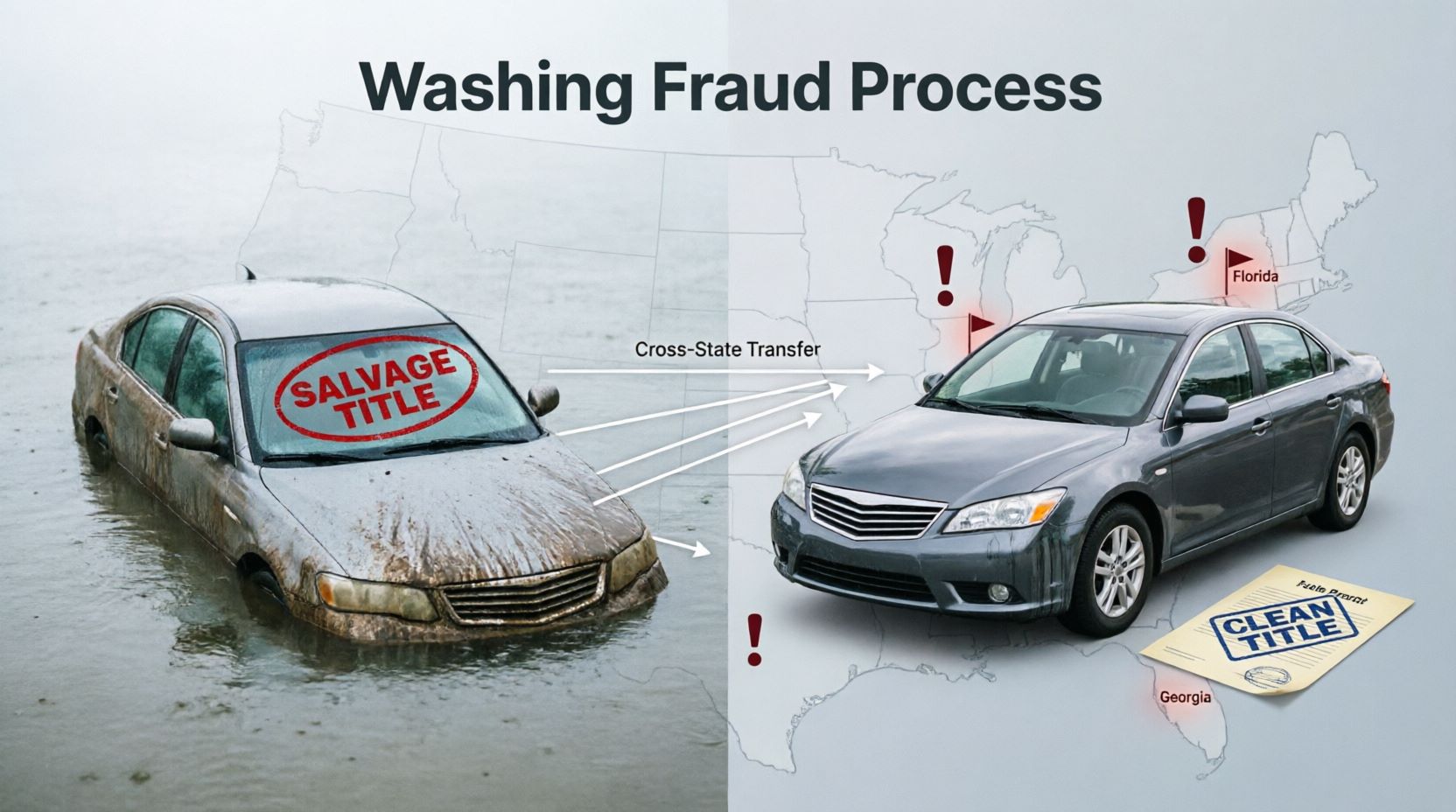
A pre-purchase VIN check is a vital first step for any used car buyer in 2026, as it reveals a vehicle's complete history, including accident damage, salvage titles, flood damage, odometer fraud, and theft records. This report empowers buyers to avoid purchasing cars with hidden, dangerous, and expensive problems that sellers might conceal.
Before you even think about a test drive, you need to run a vehicle history report. This is non-negotiable, whether you're buying from a dealer or a private seller. Think of the VIN (Vehicle Identification Number) as the car's social security number; it tells its life story. We've seen far too many buyers get burned by cars with hidden pasts that only a VIN check could uncover. For example, an estimated 1 in 25 used cars on the market in 2026 has a hidden severe damage history, such as a salvage or flood title that's been 'washed,' according to the National Insurance Crime Bureau (NICB).
What Does a VIN Check Reveal?
Accident History: Major collisions, frame damage, airbag deployment.
Branded Titles: Salvage, flood, fire, hail, lemon, or odometer rollback titles. This is huge. A 'total loss vehicle' means an insurer deemed it too expensive to repair, often indicating severe damage.
Odometer Fraud: 'Rolling back' the mileage to inflate value.
Theft Records: If the car was ever reported stolen.
Service History: Sometimes includes maintenance records, recalls, and registration details.
Ownership History: Number of previous owners and how long they kept the car.
One of the nastiest scams out there is 'cloning a VIN'. This is when criminals steal a car, then use the VIN from a legitimate, similar car (often one that's been totaled) to register the stolen vehicle. What happens when someone clones your car? You could end up unknowingly owning a stolen vehicle, facing confiscation and losing your money, or even dealing with legal issues if the cloned VIN is associated with criminal activity. A thorough VIN check can sometimes flag inconsistencies or unusual title transfers that might indicate cloning.
Many people ask, 'how can i check vin number for free?' While some resources offer basic VIN checks for free (like recall information from NHTSA), a comprehensive vehicle history report typically comes with a small fee. We recommend using a reputable VIN check service like VinspectorAI.com to get a full report. It's a small price to pay for significant peace of mind. Don't skimp here; it's the best defense against buying a lemon. This is especially true if you're looking for a 'free vin check carfax' or 'free vin number check' – those often only provide snippets. For a full 'vehicle history' report, expect to pay.
Common Red Flags from a VIN Check
Red Flag on Report | Why It Matters for Your Road Trip | What to Do |
|---|---|---|
Salvage or Rebuilt Title | Indicates severe damage; structural integrity, electrical systems, and long-term reliability are compromised. High risk of breakdown. | AVOID AT ALL COSTS. |
Flood Damage | Water can corrode electronics, rust components, and lead to unpredictable failures months or years later. | AVOID. Electrical issues are a nightmare. |
Odometer Rollback | The car has far more wear and tear than indicated, leading to premature component failure. | AVOID. This is outright fraud. |
Multiple Owners in Short Time | Could signal unresolved mechanical issues that previous owners couldn't fix or didn't want to deal with. | Proceed with extreme caution; get a professional inspection. |
Unreported Accidents | If the seller mentions an accident but the report is clean, it might have been an out-of-pocket repair, potentially done poorly. | Get a professional inspection to verify repairs. |
Inconsistent Service Records | Spotty maintenance history means crucial services might have been skipped, leading to wear and tear. | Factor in immediate maintenance costs; negotiate price. |
Remember, a clean VIN report doesn't guarantee a perfect car, but a bad one almost always guarantees trouble. If you see a branded title like 'salvage title vin check' or 'total loss vehicle' don't walk away, run. Your road trip (and your bank account) will thank you.
The Hands-On Pre-Trip Inspection Checklist: What to Look For Yourself
Before any major road trip in 2026, a thorough DIY inspection of your used car is crucial for identifying obvious wear and tear that could lead to breakdowns. Focus on essential components like tires, fluids, lights, and belts, as these are common failure points easily checked without special tools.
Even after a stellar VIN report, a hands-on inspection is your next critical step. This is where you get down and dirty, checking the things that are visible and vital. You don't need to be a master mechanic for this, just observant. We've seen countless drivers overlook simple issues that turn into big problems on the highway. For instance, according to Consumer Reports, the average cost of a major roadside repair in 2026 (e.g., transmission, engine) can easily exceed $2,500, making preventative checks incredibly valuable.
Under the Hood Check
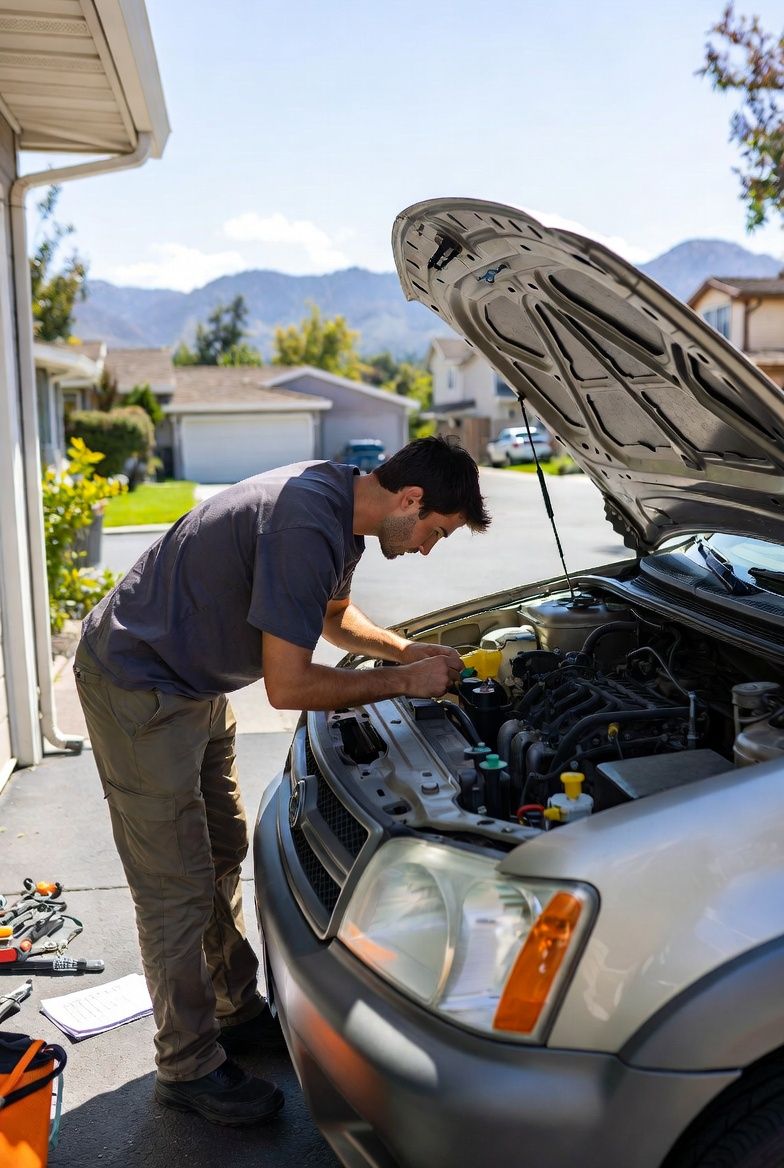
Fluids: Check engine oil (color, level), coolant (level, color – should be bright, not rusty), brake fluid (level), power steering fluid (level), and windshield washer fluid. Top off or change as needed. Look for leaks under the car after it's been parked for a while.
Belts and Hoses: Inspect all belts for cracks, fraying, or excessive wear. Squeeze hoses to check for firmness; they shouldn't be spongy or brittle. Look for bulges.
Battery: Check terminals for corrosion (white, powdery buildup). Ensure cables are tight. If your battery is more than 3-4 years old, consider having it tested.
Air Filter: Pull it out and check its condition. If it's dirty, replace it. A clean air filter improves fuel efficiency.
Tires, Brakes, and Suspension
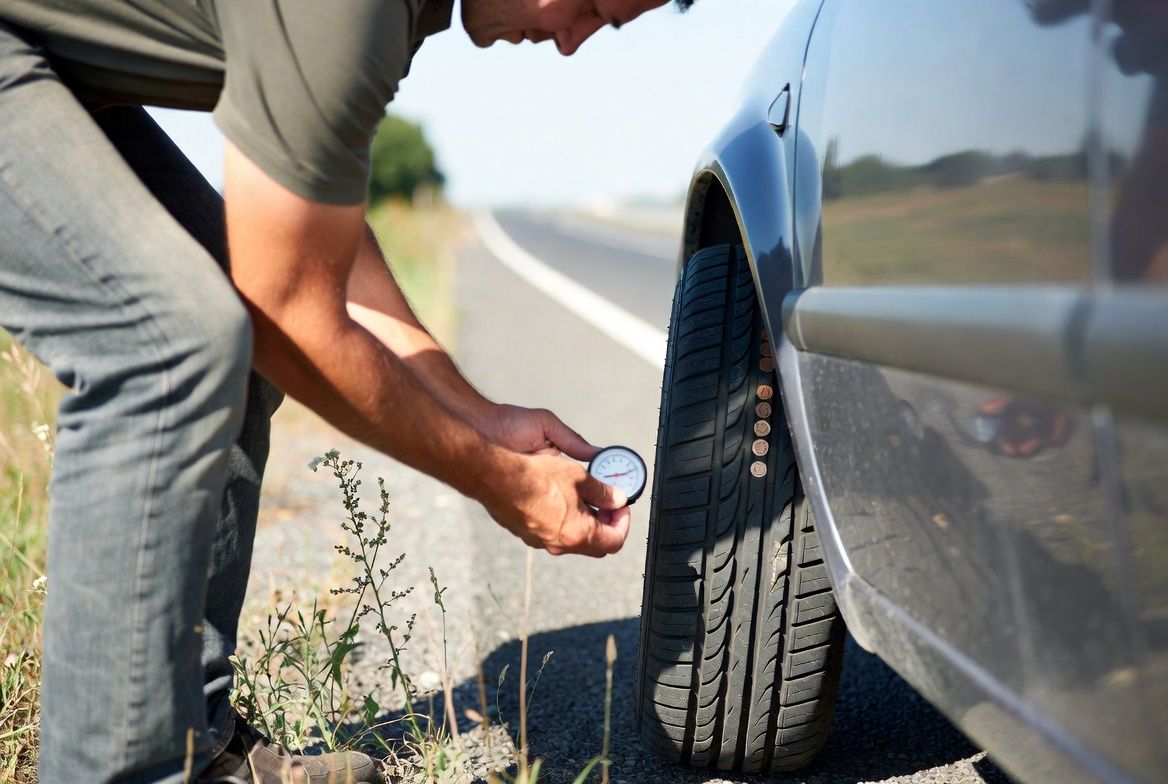
Tire Pressure: Crucial for safety and fuel economy. Check all four tires (and the spare!) when cold. Use the recommended pressure found on a sticker inside your driver's side door jamb, not the max pressure on the tire itself.
Tread Depth: Use a penny test. If Lincoln's head is fully visible, your tires are dangerously worn. Uneven wear can indicate alignment or suspension issues.
Tire Condition: Look for bulges, cracks, cuts, or embedded objects.
Brakes: Listen for squealing or grinding. Feel for pulsations when braking. Visually inspect brake pads if possible – they shouldn't be worn thin.
Suspension: Push down hard on each corner of the car. It should bounce up once and settle. Excessive bouncing indicates worn shocks or struts.
Lights, Wipers, and Glass
All Lights: Headlights (high and low beams), tail lights, brake lights, turn signals, and hazard lights. Have a friend help you check the brake lights.
Wipers: Check wiper blades for cracks or streaks. Replace if necessary. Ensure your washer fluid reservoir is full.
Glass: Inspect the windshield for chips or cracks that could spread.
This hands-on check is your first line of defense. It's about being proactive and catching the easy fixes before they become major headaches. Don't underestimate the power of a good visual inspection and a quick fluid check.
When to Call in the Pros: The Pre-Purchase/Pre-Trip Mechanic's Inspection
Even after your own thorough checks, a professional mechanic's inspection is indispensable for a used car destined for a 2026 road trip, as they possess specialized tools and expertise to diagnose hidden issues. This independent evaluation uncovers problems beyond a visual check, ensuring safety and preventing costly breakdowns that untrained eyes would miss.
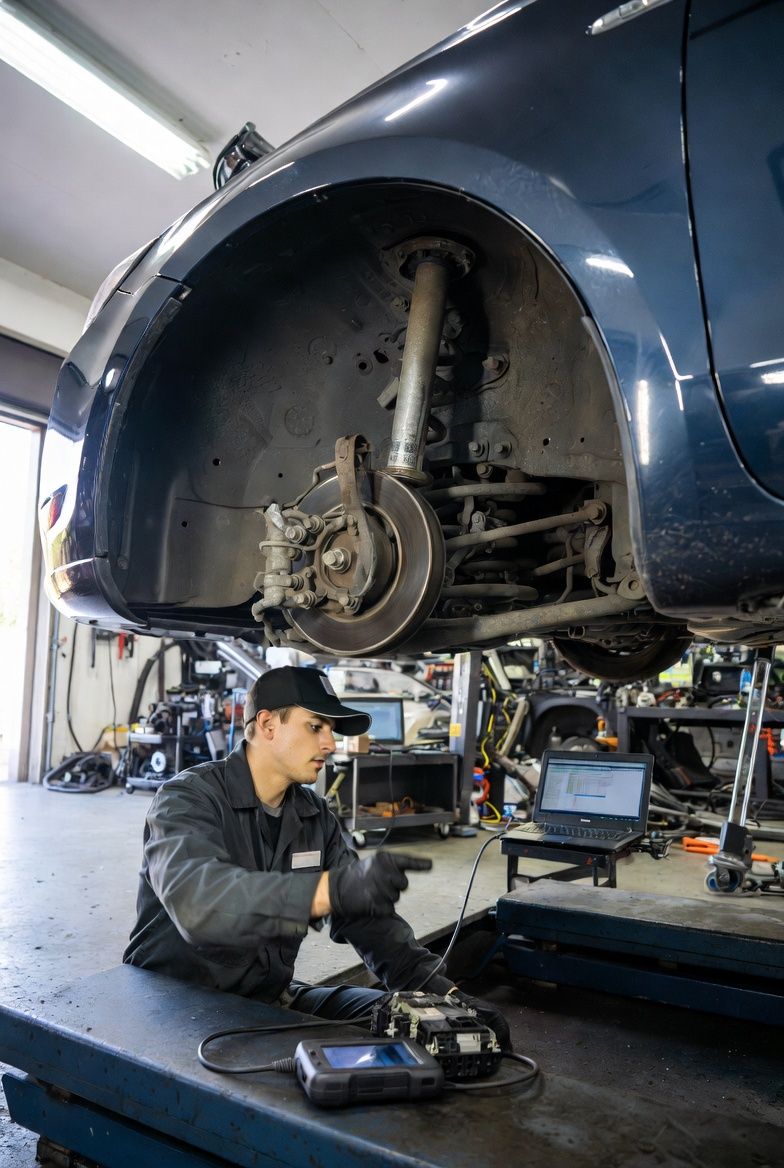
Okay, here's a counter-intuitive take: even if the seller seems like your long-lost best friend, and even if you've done your own meticulous checks, you absolutely, positively need an independent mechanic to inspect any used car before you buy it or take it on a major road trip. Why? Because a good mechanic has tools, diagnostic equipment, and years of experience that you simply don't. They can spot things you'd never see, like subtle transmission issues, exhaust leaks, or developing suspension problems that are barely audible.
This isn't just about finding problems; it's about verifying the car's overall health. A pre-purchase inspection (PPI) typically costs $100-$200, but it can save you thousands. We've seen countless instances where a PPI revealed a $3,000 repair needed on a car that looked perfect to the untrained eye. That $150 inspection fee suddenly looks like the best money you've ever spent.
What a Professional Mechanic Checks
Computer Diagnostics: They'll scan the car's onboard computer for error codes, even if the 'check engine' light isn't on.
Underbody Inspection: On a lift, they can check for frame damage, rust, fluid leaks, exhaust system integrity, and suspension components that are impossible to see from the ground.
Brake System: Detailed inspection of pads, rotors, calipers, and brake lines.
Steering and Suspension: Ball joints, tie rods, bushings – critical for safe handling.
Engine and Transmission: They'll listen for unusual noises, check fluid conditions, and assess overall performance.
Electrical System: Battery health, alternator, starter, and wiring integrity.
Insist on taking the car to your own trusted mechanic, not one recommended by the seller. If the seller refuses, walk away immediately. That's a huge red flag. This inspection isn't just for buying; if you already own a used car and are planning a big trip for 2026, a pre-trip inspection by a pro is equally vital. Think of it as your car's physical before a marathon.
Essential Road Trip Emergency Kit for 2026: Don't Leave Home Without It
An essential road trip emergency kit is a non-negotiable for any 2026 journey, providing crucial tools and supplies to handle common breakdowns or unexpected situations safely. This preparedness ensures minor incidents don't escalate into major problems, protecting both your vehicle and its occupants.
Even with the most meticulous inspections, things can still go wrong. That's why an emergency kit isn't optional; it's mandatory for any 2026 road trip. We've learned from experience that being prepared for the unexpected can turn a potential disaster into a minor inconvenience. This is especially true if your trip takes you through remote areas with limited cell service or long stretches between towns.
Your 2026 Road Trip Emergency Kit Checklist:
Jumper Cables: A dead battery is a common issue.
Basic Tool Kit: Pliers, screwdrivers, adjustable wrench, duct tape.
Tire Repair Kit: A can of tire sealant (like Fix-a-Flat) and a portable air compressor can get you to the nearest service station.
First-Aid Kit: For minor injuries.
Flashlight: With extra batteries.
Reflective Triangles or Flares: To alert other drivers if you're stopped on the roadside.
Water and Non-Perishable Snacks: Especially important in hot climates or remote areas.
Blanket/Warm Clothing: Even in summer, nights can get cold, especially if you're stranded.
Phone Charger/Portable Power Bank: Don't rely solely on your car's power.
Paper Maps: GPS can fail, or you might lose signal.
Fire Extinguisher: Small, automotive-specific.
Gloves and Rags: For dirty tasks.
Pack these items in an easily accessible spot, not buried under luggage. Knowing you have these essentials can significantly reduce stress if a problem arises. It's about empowering yourself to handle minor issues and stay safe while waiting for help if needed.
Smart Money Moves: Budgeting for Unexpected Road Trip Repairs
Budgeting for potential road trip repairs is a wise financial strategy in 2026, as even well-maintained used cars can encounter unexpected issues. Setting aside a dedicated fund or considering roadside assistance plans helps mitigate the financial impact of breakdowns, preventing your trip budget from being completely derailed.
Let's be real: cars are complex machines, and even the most reliable models can have an off day. While inspections drastically reduce risk, they don't eliminate it entirely. That's why smart budgeting includes a contingency fund specifically for unexpected repairs. We recommend setting aside at least $500-$1,000 for this purpose, especially if you're traveling long distances in a used car.
Financial Preparedness for Your 2026 Road Trip:
Emergency Fund: Have a dedicated savings account or credit card with available credit for car emergencies.
Roadside Assistance: Consider an AAA membership or check if your current auto insurance or credit card offers roadside assistance. This can cover towing, jump starts, and tire changes.
Understand Your Warranty: If your used car came with a warranty (dealer or extended), know exactly what it covers and for how long. Keep documentation handy.
Research Common Issues: Look up common mechanical problems for your specific make, model, and year. This gives you an idea of potential weak points.
Don't let the fear of a breakdown overshadow the joy of the journey. By being financially prepared, you can face any unexpected issue with confidence, knowing you have the resources to get back on the road quickly. It's not about expecting the worst, but being ready for anything.
VIN decoding isn't just valuable for used car buyers — it's equally important for the tourism and rental industry. Travelers landing in Hawaii, for example, often look for a car rental Maui airport service that prioritizes vehicle maintenance and safety records. By using AI-powered VIN decoding, rental providers can offer full transparency regarding their fleet's history, giving tourists the confidence that their vacation vehicle is as reliable as it is affordable.
So, there you have it: your comprehensive guide to ensuring your used car is road-trip ready for 2026. From the crucial VIN check at VinspectorAI.com to getting your hands dirty with a DIY inspection and, most importantly, trusting a professional, every step is about making your journey safe, reliable, and memorable for all the right reasons. Don't leave your road trip to chance; prepare for adventure, not breakdowns. Happy travels!
Frequently Asked Questions
Get answers to common questions about Your 2026 Used Car Road Trip Checklist: Pre-Inspection Guide to Avoid Getting Stranded
Uncover Complete Vehicle History Reports
Discover critical vehicle information before you buy. Our VIN decoder reveals accident records, title status, recalls, and service history to help you make informed decisions.