VIN Decoder Myths That Cost Buyers Thousands | Top Myths in 2026
I was three hours into negotiating what I thought was the deal of the decade—a low-mileage 2019 Toyota Tacoma TRD Pro, priced $3,000 below market. The seller seemed legitimate, the photos were crisp, and the free vin decoder I ran showed clean specs matching the listing. But something felt off. The manufacturing plant code didn't align with the window sticker's trim package. Let us look at the data... turns out, I was staring at a cloned VIN, and that "steal" would have left me with a stolen truck and an empty bank account.
That's when I learned that most people treat VIN decoders like magic eight balls—shake them and trust whatever pops up. Here is what most guides miss: a vin decoder is just a tool, and like any piece of tech, it's only as good as the data sources it queries and the person interpreting the results.
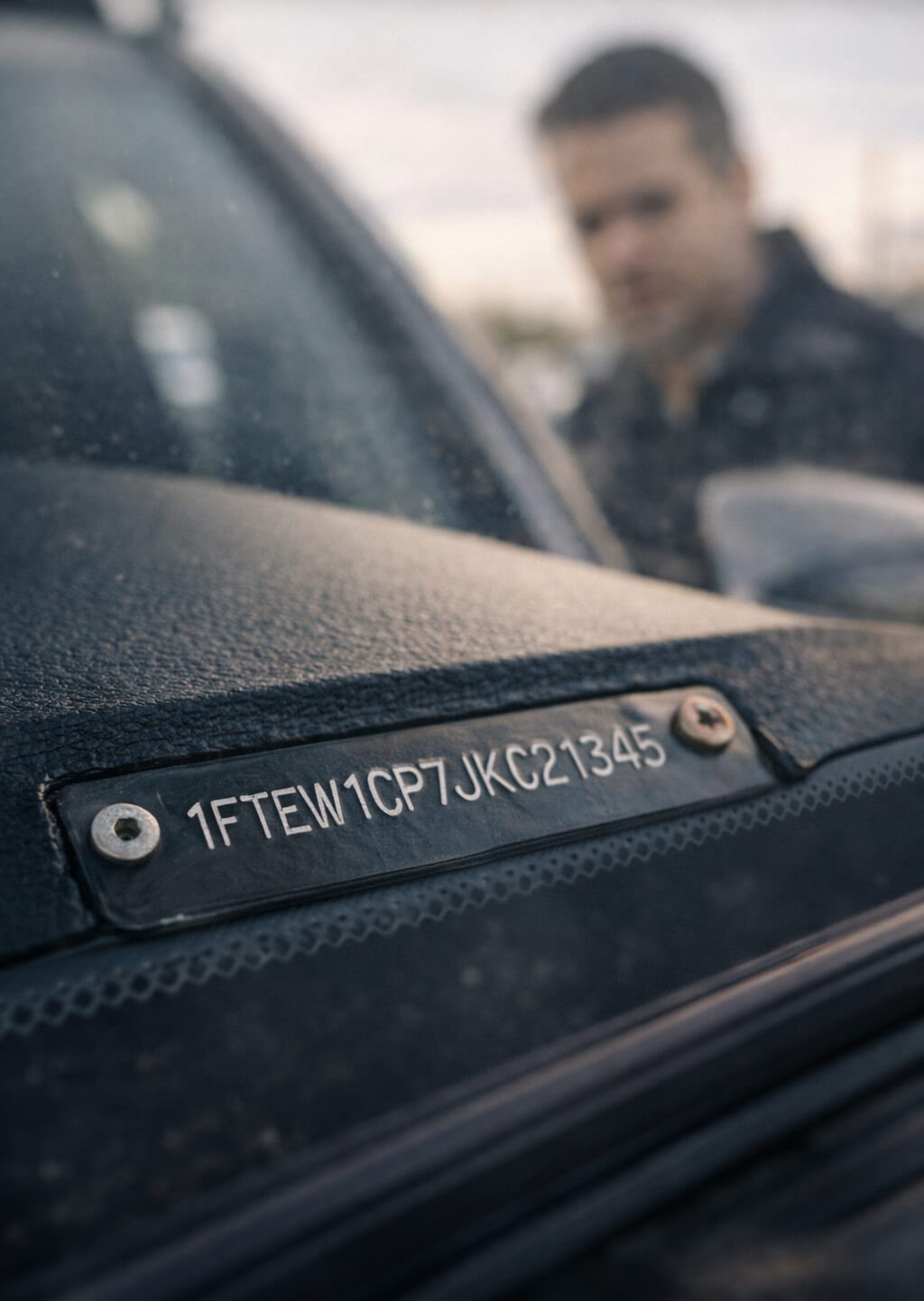
A VIN decoder is a software tool that translates the 17-character Vehicle Identification Number into readable information about a vehicle's manufacturer, specifications, and features. According to the National Highway Traffic Safety Administration (NHTSA), this standardized system has been mandatory since 1981, serving as a vehicle's unique fingerprint throughout its lifecycle.
Now, let's bust some myths.
Myth 1: All VIN Decoders Pull From the Same Database
Think all VIN decoders are created equal? That's like assuming Wikipedia and a proprietary Bloomberg terminal contain identical financial data. The reality is far more fragmented and technically complex than most buyers realize.
Most free online decoders pull from basic manufacturer specification databases—essentially the "hardware specs" of your vehicle. They'll tell you the engine type, transmission, and factory paint code. But here's the thing: they don't access the NMVTIS (National Motor Vehicle Title Information System) database unless specifically integrated, and many don't bother with the complex REST API calls required for real-time recall data.
It's similar to how different apps on your phone use different data sources. Your weather app might pull from NOAA while another uses Weather Underground—same ZIP code, potentially different forecasts. The smart approach is to understand that different decoders serve different purposes. The NHTSA's official VIN decoder excels at safety equipment and recall data, while commercial providers might focus on title history or market valuation. Some premium tools even use JSON parsing algorithms to normalize data between manufacturers, because Ford's API structure differs significantly from Toyota's data feed.
When I decode a VIN, I treat it like querying a distributed database with different endpoints. I check one source for manufacturing specs, another for recall status, and a third for title history. Relying on a single free decoder is like trusting a single server with no redundancy or backup protocols—technically risky and logically incomplete.
Myth 2: Free VIN Decoding Gives You the Full Vehicle History
I see this mistake constantly in car buying forums and Reddit threads. Someone posts a VIN, runs it through a free decoder, sees "2018 Honda Accord, 2.0L engine, CVT transmission," and assumes they've done their due diligence. They haven't. They've just read the car's birth certificate, not its medical history.
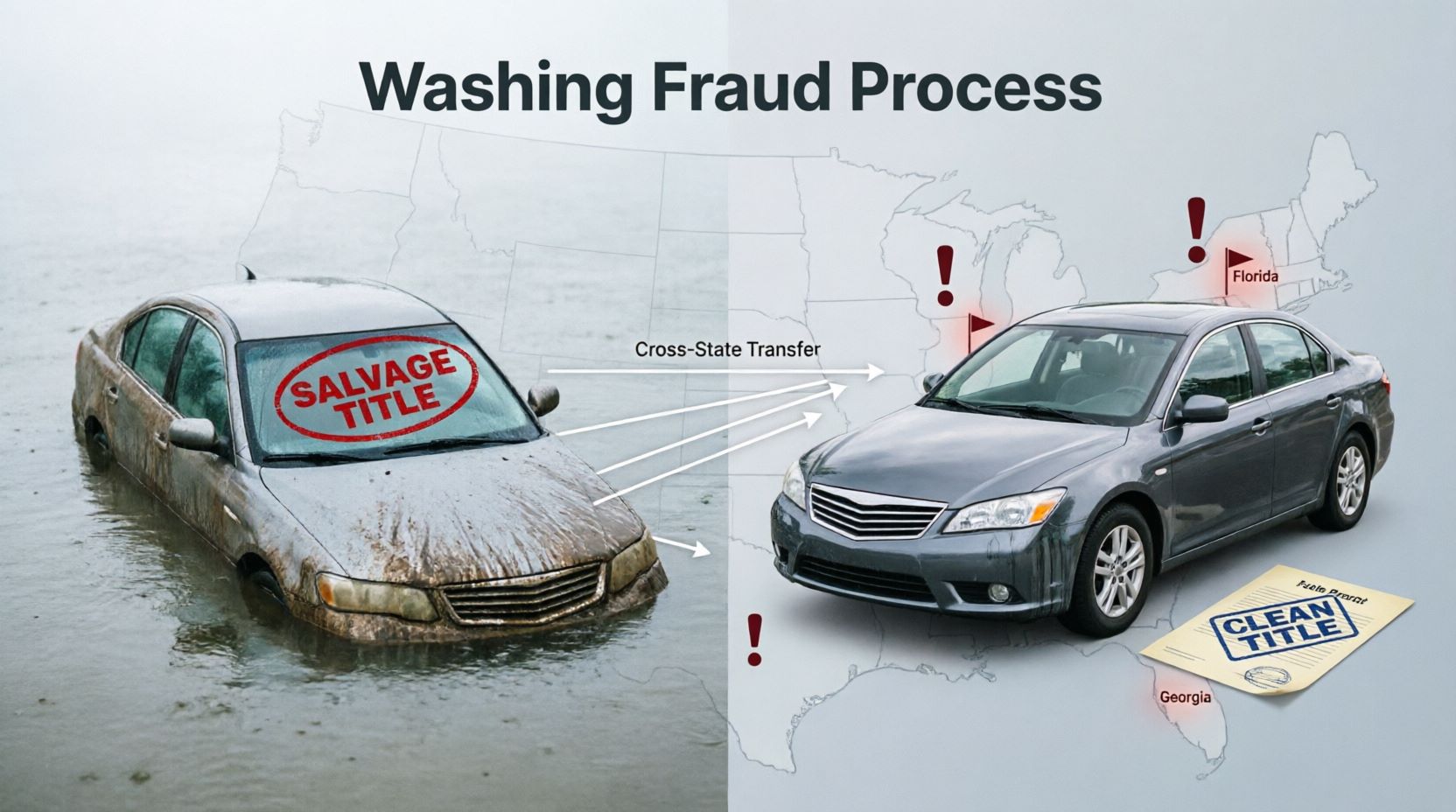
Free decoders provide static data—what the vehicle was born with at the factory. They don't tell you it was T-boned in 2020, spent six months in a Louisiana flood zone, or had its odometer rolled back last year. According to Consumer Reports, hidden damage affects over 20% of used vehicles sold in the private market, and free tools catch exactly none of it.
Think of free decoding like downloading a freemium app. The free tier shows you the interface and basic functionality; the paid tier unlocks the backend analytics you actually need for serious work. For a purchase worth tens of thousands, paying for a comprehensive history report isn't an expense—it's catastrophic loss insurance with a 99% discount.
Free VIN Decoder vs Full Vehicle History Report: What’s the Difference?
Feature / Data Type | Free VIN Decoder | Full Vehicle History Report |
|---|---|---|
Manufacturer & Model Info | ✅ Yes | ✅ Yes |
Engine & Transmission Specs | ✅ Yes | ✅ Yes |
Factory Trim & Options | ✅ Yes | ✅ Yes |
Recall Information | ⚠ Sometimes | ✅ Yes |
Accident History | ❌ No | ✅ Yes |
Title Brands (Salvage/Flood/Rebuilt) | ❌ No | ✅ Yes |
Odometer Rollback Alerts | ❌ No | ✅ Yes |
Theft Records | ❌ No | ✅ Yes |
Previous States of Registration | ❌ No | ✅ Yes |
Ownership Count | ❌ Limited | ✅ Yes |
Myth 3: If the VIN Checks Out Online, the Car Is Legitimate
This is the most expensive myth to believe, and it's becoming more dangerous as VIN cloning technology improves. In 2022, I almost purchased that aforementioned Tacoma because the VIN decoded "clean" across three different free platforms. The numbers matched. The specs aligned. But when I ran the digits through an AI-powered analysis tool, it flagged statistical anomalies in the title transfer frequency that human eyes would never catch.
Here's what happened: criminals had cloned a legitimate VIN from a similar truck in another state. The online decoders worked perfectly—they accurately decoded the number I typed. But they couldn't verify that the physical VIN plate on the dashboard matched the engine block or the door jamb sticker. The Federal Trade Commission (FTC) warns that VIN cloning is rising, particularly with high-demand trucks and SUVs where thieves can steal a $40,000 vehicle and sell it to unsus buyers within days.
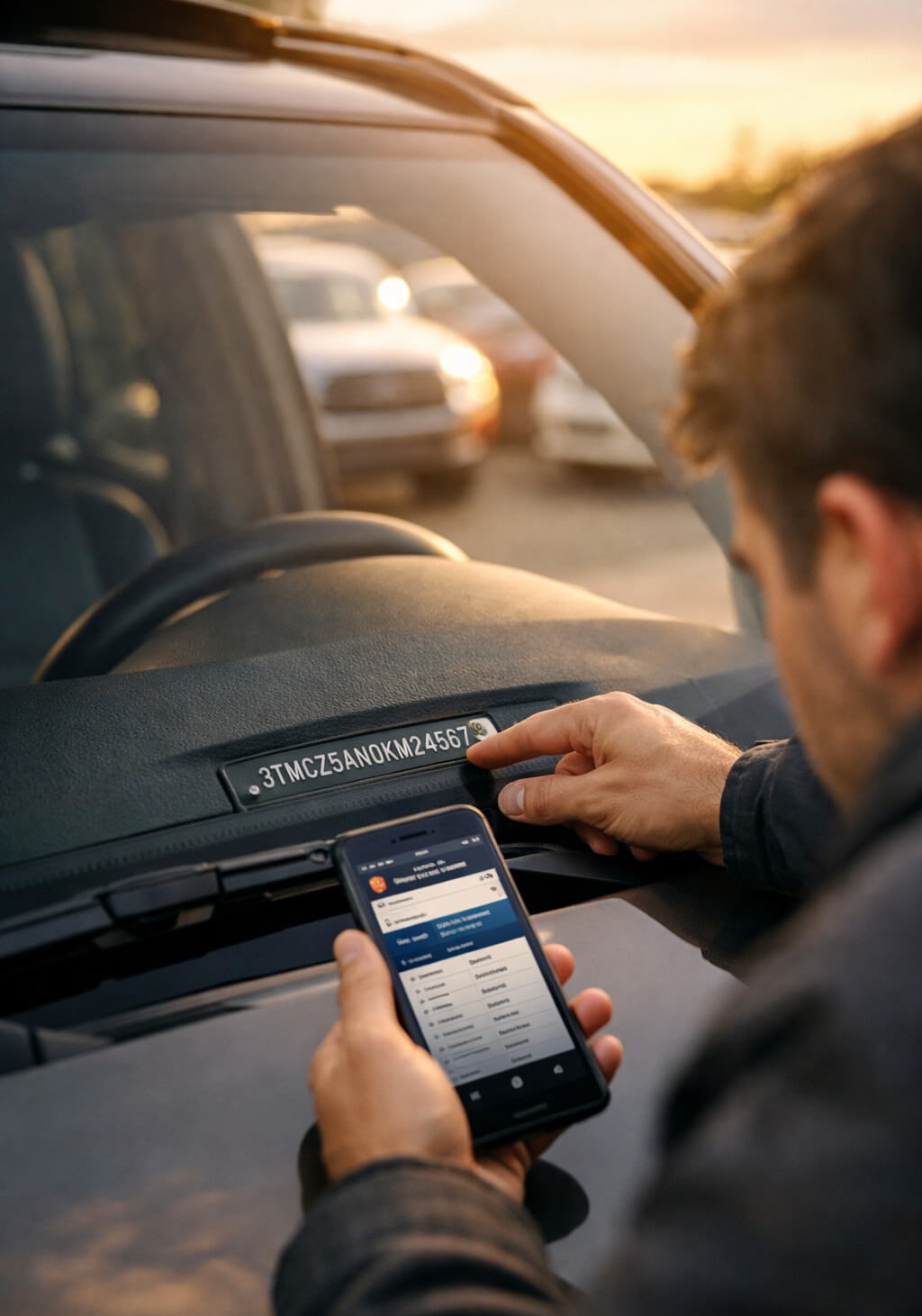
The smart approach requires physical verification—old school meets new school. Check the VIN in at least three locations: the dashboard (viewable through the windshield), the driver's side door jamb sticker, and the engine block stamping. If any digit differs, or if the font style looks altered, walk away immediately. No decoder—no matter how sophisticated—can verify physical integrity through a web browser. It's like verifying a software download by checking the hash; you need to confirm the physical reality matches the digital signature.
Myth 4: Decoding a VIN Requires Technical Expertise
Back in the 90s, decoding a VIN manually meant referencing thick technical manuals and understanding manufacturer-specific coding systems that changed year to year. The 10th character represented the model year, but the code restarted every 30 years, and import manufacturers used different logic than domestic. It was like writing code in assembly language—possible, but tedious.
Today? It's as complex as using a QR code scanner on your smartphone.
Modern vin decoder tools are UI-driven, algorithmic platforms designed for consumers, not just ASE-certified mechanics. You don't need to understand that the 11th character identifies the assembly plant or that BMW uses different weight classifications than Mercedes. The software handles the parsing logic, database queries, and normalization automatically.
However, here is what most guides miss: while the entry barrier is low, the interpretation layer still requires critical thinking. When a decoder spits out a list of features, you need to cross-reference that with the actual vehicle. Does it show "sunroof package" but the car has a solid roof? That's a red flag for either a database error or a vehicle that had major surgery after leaving the factory. Does the engine code say "N20" but the badge on the back says "N55"? Someone might have swapped the engine—or worse, they're trying to sell a base model as a performance variant.
For those curious about the manual process (which I recommend for true data nerds), our guide on manual VIN reading breaks down the algorithm step-by-step. But for daily use, automated decoders from Edmunds or manufacturer sites work perfectly for initial screening.
Myth 5: A VIN Decoder Reveals Current Ownership Information
I get this question constantly in DMs: "Can I find out who owns the car by decoding the VIN? Maybe get their phone number to ask about maintenance?" The short answer is no, and for very good legal reasons. The Driver's Privacy Protection Act (DPPA) restricts access to personal information linked to vehicle records, and legitimate decoders respect these boundaries.
What you can see is the title history—how many times it's been transferred, which states held the title, whether it was branded as salvage, rebuilt, or lemon law buyback. But names, addresses, phone numbers, and social security numbers of previous owners? That's locked behind legal barriers that no legitimate decoder will breach, and trying to bypass these restrictions puts you in violation of federal law.
If you're trying to contact a previous owner to verify maintenance history or confirm mileage, you'll need to work through the DMV with a valid legal reason—like being the current owner trying to verify history—not a VIN decoder. For more on what ownership data is actually available and how to access it legally, check out our detailed guides on owner lookup by VIN and finding vehicle ownership history within legal boundaries. The National Insurance Crime Bureau (NICB) also provides excellent resources on what VINs can and cannot reveal under current privacy statutes.
Reading Between the Lines: Data Interpretation Skills
Now, I know what you're thinking: if the decoder gives me the data, can't I just trust what it says? Not exactly. Raw data without context is just noise. The smart approach involves reading the metadata—the patterns between the lines.
For example, if a decoder shows a vehicle was manufactured with a manual transmission, but you're looking at an automatic, that's not necessarily fraud. It could indicate a factory-approved swap, a transmission replacement after failure, or a custom modification. But it affects value. According to Kelley Blue Book, transmission changes can impact resale value by 10-15%, especially in sports cars where the manual transmission commands a premium.
Similarly, pay attention to the model year versus the manufacture date. A car built in December 2022 might be a 2023 model, which affects depreciation curves and warranty start dates. Decoders reveal the actual manufacture date (embedded in the VIN), while sellers often list the model year. That six-month difference could mean the difference between an expired warranty and full coverage.
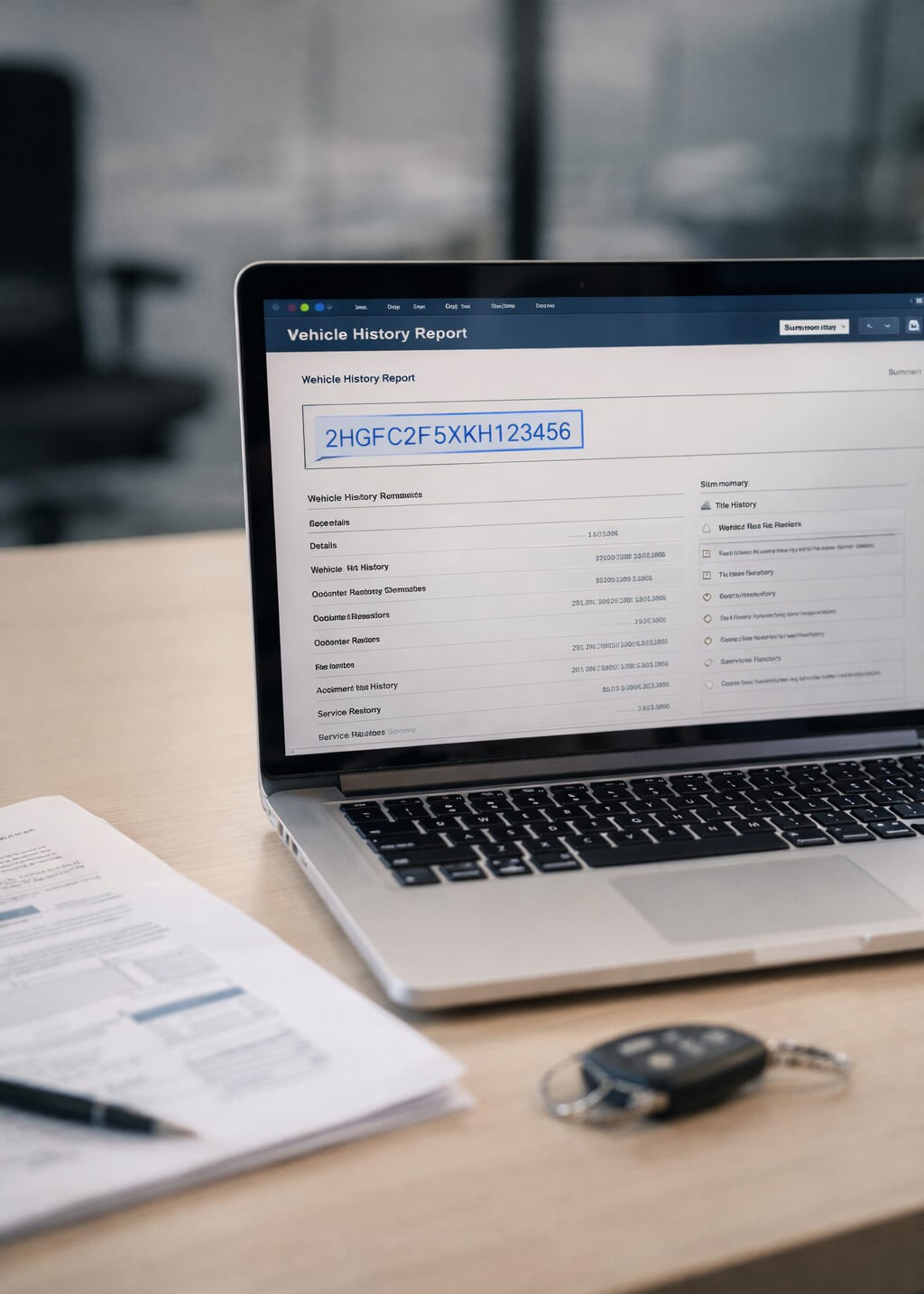
What Actually Works: A Layered Decoding Strategy
Now that we've cleared the fog of myths, let us look at the data behind what actually works. I approach VIN decoding like a cybersecurity audit or a DevOps pipeline—multiple layers of verification, each catching what the previous one missed, with redundancy built in.
Layer 1: Specification Verification (The Hardware Audit)
Start with a free decoder to confirm the vehicle's "born with" specifications. Check the engine code against what's actually under the hood. Count the VIN characters—if it's not 17 digits for a vehicle made after 1981, something is wrong. Verify the transmission type matches the shifter you see. This catches swaps, modifications, and misrepresentations that might affect insurance coverage or resale value. Use resources like J.D. Power's VIN guide to understand manufacturer-specific coding nuances.
Layer 2: History Report Analysis (The Software Log)
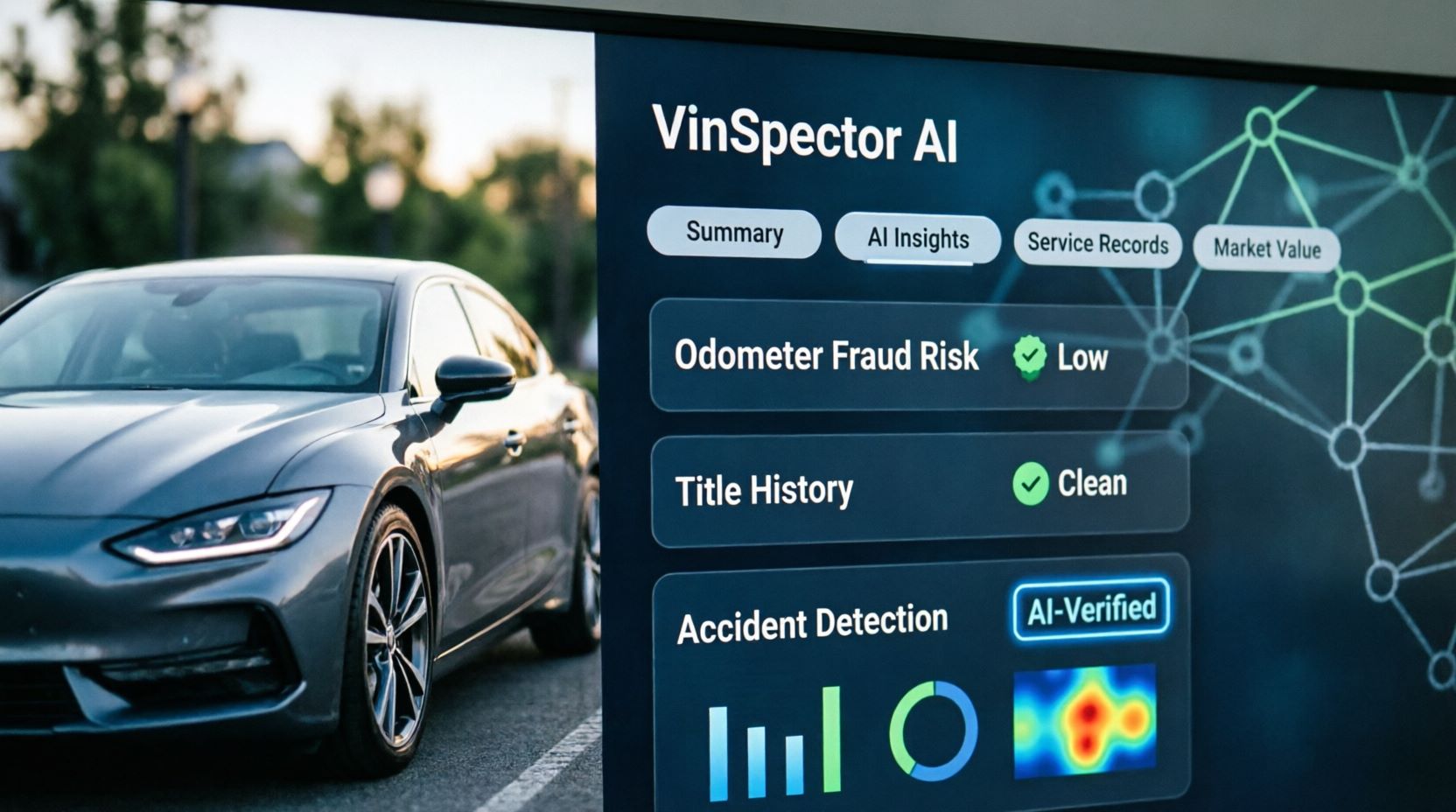
Run a comprehensive history report through Vinspectorai or similar NMVTIS-approved services. Look for title brands (salvage, rebuilt, flood), odometer inconsistencies that suggest rollback, and accident history that might indicate frame damage. According to valuation experts, vehicles with clean histories command 15-25% higher prices—knowing the truth gives you negotiation and protects you from hidden structural issues.
Layer 3: AI-Powered Anomaly Detection
This is where modern tech shines beyond basic decoding. Tools like VINspectorAI analyze patterns across millions of data points using machine learning algorithms. They flag things like "This VIN appears in listings across three states simultaneously" (cloning indicator), "Title transfer velocity exceeds regional norms by 400%" (potential fraud), or "Odometer readings show statistical impossibility" (rollback detection). It's like having a data scientist review every transaction associated with that vehicle.
Layer 4: Physical Verification (The Reality Check)
Finally, correlate digital data with physical evidence. Check those three VIN locations we discussed earlier. Inspect the CarComplaints database for model-specific issues that might not show in generic history reports—some cars have endemic transmission failures that decoders won't mention. If you're in specific states with unique title laws, use localized resources like our North Carolina VIN check tool to understand state-specific regulations that might affect your purchase.
The Smart Approach Is Prevention
Buying a used car without proper VIN decoding is like deploying software to production without running unit tests—you might get lucky, but the downside risk isn't worth the time saved. The technology exists to protect you; choosing not to use it is a conscious decision to gamble with your finances.
Remember my Tacoma story? That $40 comprehensive report and 15 minutes of algorithmic analysis saved me from a $28,000 mistake. The data was there all along in various databases—I just needed the right tools to aggregate and interpret it. In an age where vehicle fraud is becoming more sophisticated, utilizing a vin decoder properly isn't paranoia; it's due diligence.
The algorithms don't lie, but they need you to ask the right questions. Cross-reference everything. Trust the digital fingerprint over the seller's smile. Your future self—the one not dealing with a stolen vehicle recovery or a dissolved frame—will thank you for the extra twenty minutes of data verification.
Key Takeaways
Let us look at the data one more time and summarize what actually matters for your next purchase:
Free decoders show specifications, not history. Use them to verify "what" the car is (engine, transmission, trim), not "how" it was treated (accidents, floods, maintenance).
No single database contains everything. Cross-reference NHTSA data for recalls, NMVTIS for title history, and manufacturer databases for specifications. Treat it like a distributed computing problem.
VIN cloning is real and rising. If the online data looks perfect but the price seems too good to be true, dig deeper. Check physical VIN locations against the digital readout.
Ownership data is private for good reason. If you need to contact previous owners, work through proper DMV channels with legal justification, not decoding sites.
AI and algorithms spot patterns humans miss. Use modern technology to analyze transfer frequencies, listing anomalies, and statistical impossibilities in the data.
The next time you're staring at a used car listing, don't just kick the tires and check the oil. Decode intelligently, verify physically, and let the data tell the story. In the battle between human deception and algorithmic truth, I'll bet on the algorithms every time.
Frequently Asked Questions
Get answers to common questions about VIN Decoder Myths That Cost Buyers Thousands | Top Myths in 2026
Uncover Complete Vehicle History Reports
Discover critical vehicle information before you buy. Our VIN decoder reveals accident records, title status, recalls, and service history to help you make informed decisions.