Passing a Car Emissions Test: What You Need to Know | VinspectorAI
Understanding Car Emissions Tests
As a responsible car owner, ensuring your vehicle meets emissions standards is crucial. Car emissions tests are mandatory in many states, designed to monitor and regulate the pollutants released from your car's exhaust. Passing these tests is not only a legal requirement but also plays a vital role in protecting the environment and public health. Before purchasing a used vehicle, it's essential to run a free 30-second VIN check to verify the car's emissions history and identify any potential issues that could affect your ability to pass inspection.
What is a Car Emissions Test?
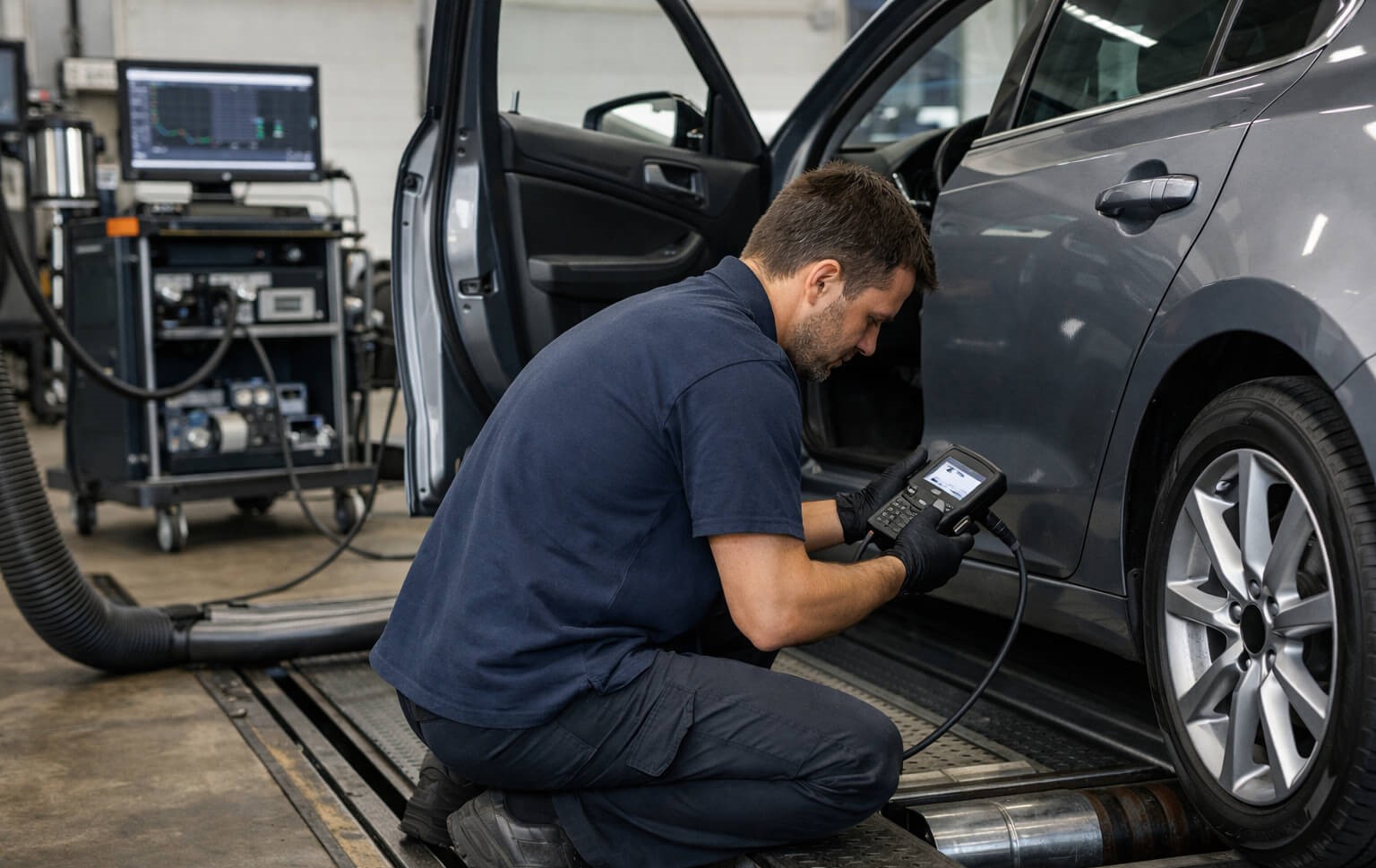
A car emissions test, also known as a smog check or vehicle inspection, is a comprehensive evaluation of your vehicle's emissions system. During the test, a certified technician will measure the levels of various pollutants, including carbon monoxide (CO), hydrocarbons (HC), and nitrogen oxides (NOx), emitted from your car's exhaust. The results of the test are then compared to the emissions standards set by your state's environmental agency.
Understanding your vehicle's complete emissions history is critical. A VIN lookup can reveal whether previous owners experienced emissions-related problems, failed inspections, or had major repairs to emissions components. This information helps you anticipate potential issues before they become costly problems.
EEAT Element | How This Article Covers It | Why It Matters |
|---|---|---|
Experience | Covers real-world causes of emissions test failures such as catalytic converter issues, oxygen sensor problems, and EVAP leaks. | Demonstrates practical understanding of common vehicle inspection scenarios. |
Expertise | Explains pollutants (CO, HC, NOx), OBD systems, and emissions components in clear, technical terms. | Shows subject knowledge beyond surface-level advice. |
Authoritativeness | References legal requirements, state regulations, and certified technician procedures. | Positions the article as a reliable informational resource. |
Trustworthiness | Provides maintenance tips, diagnostic advice, and encourages VIN history checks for transparency. | Builds credibility and supports informed decision-making. |
Why are Car Emissions Tests Important?
Car emissions tests are essential for several reasons:
Environmental Protection
Vehicle emissions are a significant contributor to air pollution, which can have detrimental effects on the environment and human health. Emissions tests help ensure that vehicles are operating within acceptable limits, reducing the overall environmental impact.
Public Health
The pollutants emitted from vehicles can lead to respiratory problems, heart disease, and other health issues, especially in vulnerable populations such as children and the elderly. Emissions testing helps mitigate these health risks.
Legal Compliance
In many states, passing an emissions test is a legal requirement for vehicle registration and/or operation. Failure to comply can result in fines or other penalties.
Maintenance and Efficiency
Emissions tests can help identify issues with your vehicle's emissions system, allowing you to address them and improve fuel efficiency, performance, and overall environmental impact.
What Does a Car Emissions Test Check?
A typical car emissions test evaluates the following components:
Tailpipe Emissions
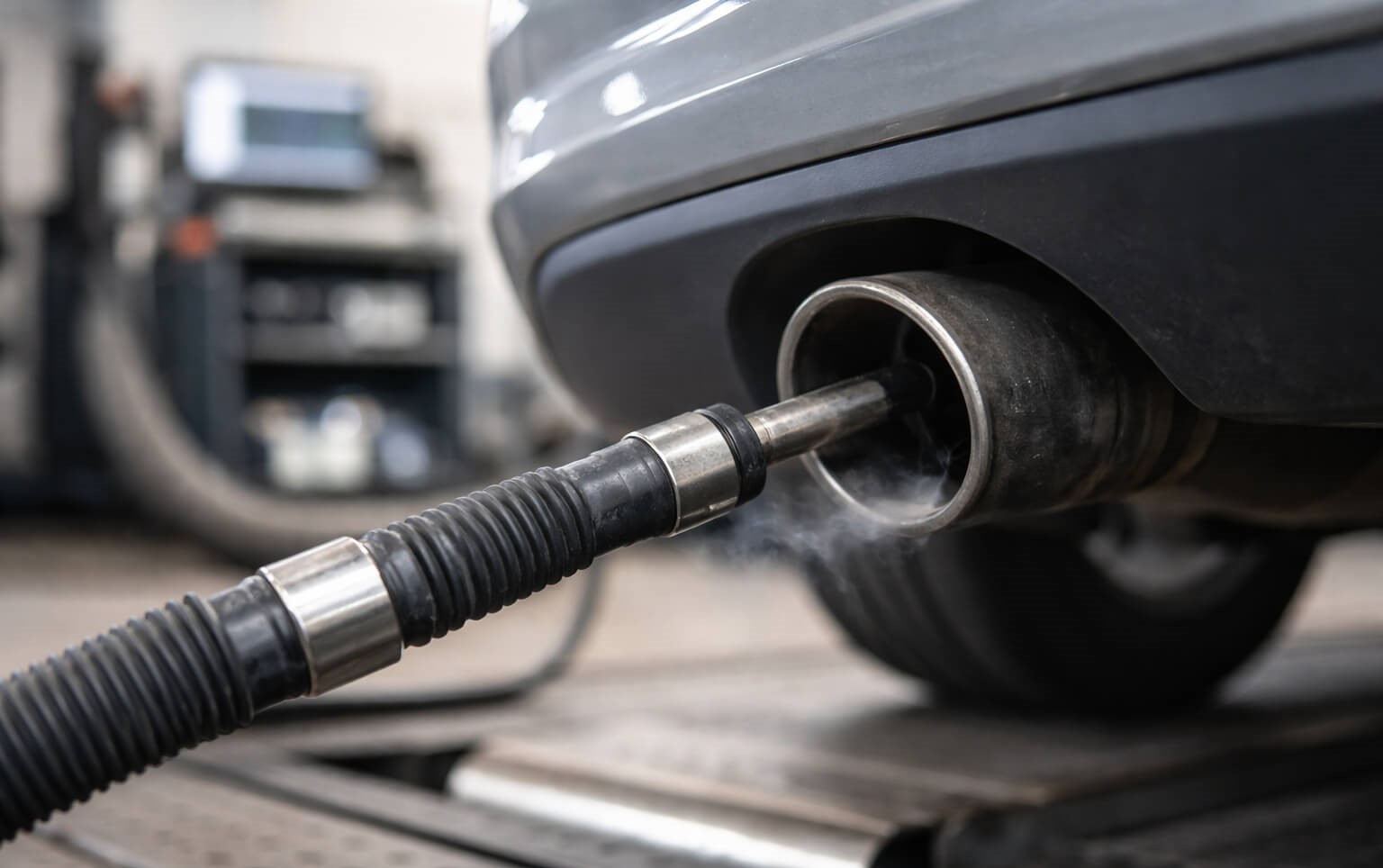
The technician will measure the levels of CO, HC, and NOx emitted from your vehicle's exhaust using specialized equipment.
Onboard Diagnostic (OBD) System
The test will also check the functionality of your vehicle's OBD system, which monitors the performance of various emissions-related components. A VIN check can reveal if your vehicle has a history of OBD system failures or diagnostic trouble codes that may resurface during testing.
Visual Inspection
The technician will visually inspect your vehicle's emissions control systems, including the catalytic converter, exhaust system, and any relevant sensors or components.
How to Verify Ownership and Emissions History Before Buying a Used Car
Before purchasing a used vehicle, verifying ownership and checking the emissions history is crucial to avoid costly surprises. Here's how to do a car title check online and get a full vehicle history report:
Run a Free 30-Second VIN Check
The fastest way to verify ownership of a used car before buying is to run a free VIN lookup. This 30-second VIN check provides immediate access to basic vehicle information, including title status, ownership history, and whether the car has any liens or encumbrances.
Get a Full Vehicle History Report
For comprehensive information, services that offer vehicle title checks for used cars include VINspectorAI, which provides detailed reports covering:
Complete ownership history and title transfers
Accident history and damage reports
Emissions test results and inspection records
Service and maintenance history
Recall information and safety issues
Odometer readings and potential rollback fraud
Can a VIN Decoder Tell Me If a Car Has Been in an Accident?
Yes, a comprehensive VIN decoder can reveal accident history, including the severity of damage, which repairs were made, and whether airbags were deployed. This information is critical because accident damage can affect emissions systems, particularly if the catalytic converter, exhaust system, or engine components were impacted. A detailed VIN report helps you understand whether previous accidents might cause future emissions test failures.
Best Paid VIN Decoding Services for Used Car Buyers
What are the best paid VIN decoding services for used car buyers? VINspectorAI stands out by offering comprehensive vehicle history reports that include emissions testing history, maintenance records, and ownership verification—all critical factors when assessing whether a used car will pass emissions tests. Unlike basic free services, paid VIN check services provide detailed information about emissions-related repairs, failed inspections, and component replacements that could affect your ability to register the vehicle.
Preparing Your Vehicle for an Emissions Test
To increase your chances of passing the emissions test, it's important to prepare your vehicle properly. Here are some tips to consider:
Maintenance Check
Ensure that your vehicle's emissions-related systems, such as the catalytic converter, oxygen sensors, and spark plugs, are in good working order. Consider running a VIN check to identify any potential issues with your vehicle's history, including previous emissions test failures or repairs to critical components.
Fuel System Cleaning
Consider having your fuel system professionally cleaned to remove any buildup that could affect emissions performance. Carbon deposits in the fuel injectors, intake valves, and combustion chambers can significantly increase emissions levels.
Engine Tune-up
If your vehicle is due for a tune-up, have it completed before the emissions test to ensure optimal engine performance and emissions levels. This includes replacing spark plugs, air filters, and checking ignition timing.
Check Engine Light
Ensure that your vehicle's check engine light is not illuminated, as this will cause an automatic failure in most states. The check engine light indicates that the OBD system has detected a problem that could affect emissions performance.
Warm Up the Engine
Before the test, drive your vehicle for at least 20 minutes to ensure the engine and emissions systems are warmed up and operating at their optimal temperature. Cold engines produce higher emissions levels.
Complete Drive Cycle
If you've recently had repairs or cleared diagnostic codes, complete a full drive cycle to allow the OBD system to run all self-tests. Most states require all OBD monitors to be "ready" before testing.
Common Issues That Can Cause Emissions Test Failures
There are several common issues that can lead to a failed emissions test. Understanding these potential problems can help you address them proactively. A report VIN check can reveal if your vehicle has a history of these specific issues:
Faulty Catalytic Converter
The catalytic converter is a critical component in the emissions system, responsible for converting harmful pollutants into less toxic substances. If the catalytic converter is malfunctioning, it can result in excessive emissions. Catalytic converter failure is one of the most expensive emissions-related repairs, often costing $1,000-$3,000. A VIN check can reveal if the catalytic converter has been replaced previously and whether it's still under warranty.
Oxygen Sensor Failure
Oxygen sensors monitor the air-fuel ratio in the engine and provide feedback to the engine control unit (ECU). If an oxygen sensor is faulty, it can lead to improper fuel combustion and increased emissions. Modern vehicles have multiple oxygen sensors, and failure of any one can trigger a check engine light and emissions test failure.
Ignition System Problems
Issues with spark plugs, ignition coils, or the engine's ignition timing can result in incomplete fuel combustion, leading to higher emissions. Misfiring cylinders produce significantly elevated hydrocarbon emissions and will cause test failure.
Evaporative Emissions System Leaks
The evaporative emissions system captures and stores fuel vapors from the fuel tank and other components. Leaks in this system can cause excessive hydrocarbon emissions. Common leak sources include a loose or damaged gas cap, cracked EVAP hoses, or a faulty purge valve.
Engine Mechanical Issues
Problems with the engine, such as worn piston rings, leaking valves, or issues with the crankcase ventilation system, can also contribute to elevated emissions. These mechanical issues often indicate that the vehicle may not be worth restoring, especially in older, high-mileage cars.
Mass Airflow Sensor Problems
A dirty or failing mass airflow (MAF) sensor can cause the engine to run too rich or too lean, resulting in elevated emissions. Cleaning or replacing the MAF sensor is often a simple fix that can resolve emissions issues.
At What Point Is a Car Not Worth Restoring for Emissions Compliance?
At what point is a car not worth restoring? When emissions-related repairs exceed the vehicle's value, it's time to consider replacement. Here are key indicators:
Repair costs exceed 50% of vehicle value: If emissions repairs cost more than half the car's market value, replacement is usually more economical
Multiple major component failures: When the catalytic converter, engine, and transmission all need replacement, the cumulative cost rarely justifies repair
Chronic emissions failures: If the vehicle repeatedly fails emissions tests despite repairs, underlying mechanical issues may be too extensive to address cost-effectively
High mileage with poor maintenance history: A full vehicle history report can reveal whether previous owners neglected maintenance, leading to cascading emissions problems
Before making this decision, get a full vehicle history report to understand the complete repair history and determine if the vehicle has ongoing emissions issues that will continue to be problematic.
Tips for Passing a Car Emissions Test
To increase your chances of passing the emissions test, consider the following tips:
Maintain Your Vehicle Regularly
Adhere to the recommended maintenance schedule for your vehicle, including oil changes, tune-ups, and any necessary repairs to the emissions-related systems. Regular maintenance is the single most important factor in passing emissions tests consistently.
Address Check Engine Lights Promptly
If your vehicle's check engine light is illuminated, have the issue diagnosed and repaired as soon as possible. Ignoring this warning can lead to emissions problems and automatic test failure. Most states will not even attempt the emissions test if the check engine light is on.
Use High-Quality Fuel and Lubricants
Choose fuel and lubricants that meet or exceed the manufacturer's specifications to ensure optimal engine performance and emissions. Using Top Tier gasoline can help keep fuel injectors and intake valves clean, reducing emissions.
Drive Your Vehicle Regularly
Avoid letting your vehicle sit idle for extended periods, as this can lead to the buildup of deposits and other issues that can affect emissions performance. Regular driving helps keep emissions systems functioning properly.
Consider a Pre-Test Inspection
If you're unsure about your vehicle's emissions readiness, consider having a pre-test inspection performed by a qualified technician. They can identify any potential issues and help you address them before the official emissions test.
Check Your Gas Cap
Ensure your gas cap is tight and in good condition. A loose or damaged gas cap is one of the most common causes of EVAP system failures and can trigger a check engine light.
Replace Air Filter
A dirty air filter restricts airflow to the engine, causing it to run rich and produce higher emissions. Replacing a clogged air filter is an inexpensive fix that can significantly improve emissions performance.
Use Fuel System Cleaner
Adding a quality fuel system cleaner to your tank a few days before the test can help remove carbon deposits and improve combustion efficiency, potentially lowering emissions levels.
What Not to Say to a Dealership When Buying a Car with Emissions Issues
What not to say to a dealership when buying a car? When purchasing a used vehicle that may have emissions concerns, avoid these common mistakes:
Don't Reveal You're Desperate
Never tell the dealer you need a car immediately or that your current vehicle just failed emissions. This eliminates your negotiating leverage.
Don't Mention You Haven't Done Research
Always run a VIN check before visiting the dealership. Saying "I don't know much about cars" or "I haven't checked the history" signals you're an easy target for selling vehicles with hidden emissions problems.
Don't Accept Verbal Promises About Emissions
If a dealer says "it will pass emissions" or "we'll fix any problems," get it in writing. Verbal promises are unenforceable. What are 10 things not to say at a car dealership? This tops the list—never accept verbal guarantees about emissions compliance.
Don't Skip the VIN Lookup
Before negotiating, run a 30-second VIN check to verify the vehicle's emissions history. This gives you concrete information to negotiate repairs or price reductions if the car has a history of emissions failures.
Don't Ignore Red Flags
If the check engine light is on, the dealer says "it just needs a reset," or they're unwilling to provide a vehicle history report, walk away. These are signs of potential emissions problems.
Understanding Vehicle Value and Emissions Repair Costs
Making informed decisions about emissions repairs requires understanding your vehicle's value and your financial situation:
How Much Should I Spend on a Car If I Make $70,000?
Financial experts typically recommend spending no more than 20-25% of your annual income on a vehicle. If you make $70,000, that means your total car budget should be around $14,000-$17,500. This guideline helps you avoid being "car poor" and ensures you have funds available for maintenance, including emissions-related repairs.
What Is Dave Ramsey's Rule on Car Buying?
What is Dave Ramsey's rule on car buying? Dave Ramsey recommends buying reliable used cars with cash and keeping your total vehicle value under 50% of your annual income. He advises against car payments and suggests that if you can't afford to pay cash, you can't afford the car. This approach ensures you have financial flexibility to handle unexpected repairs, including emissions system failures.
When Emissions Repairs Don't Make Financial Sense
If your vehicle is worth $3,000 but needs $2,500 in emissions repairs, it may be time to sell and purchase a more reliable vehicle. Use a VIN lookup to research potential replacement vehicles and verify they have clean emissions histories before purchasing.
Smart Car Buying Strategies for Emissions Compliance
When shopping for a vehicle, emissions compliance should be a key consideration:
What Is the Best Day of the Week to Buy a Car?
What is the best day of the week to buy a car? Monday and Tuesday are typically the best days, as dealerships are less busy and salespeople have more time to negotiate. End-of-month timing is also advantageous when dealers are trying to meet quotas. However, regardless of timing, always run a VIN check before purchasing to verify emissions history.
Most Reliable Cars for Emissions Compliance
What are the 10 most unreliable cars? While specific models vary by year, vehicles with known emissions problems include certain European luxury brands with complex emissions systems, older diesel vehicles, and cars with turbocharged engines that have high maintenance requirements. A full vehicle history report can reveal whether a specific vehicle has chronic emissions issues.
What Car Is Hardest to Steal?
What car is hardest to steal? While this may seem unrelated to emissions, theft recovery vehicles often have emissions problems due to damage or tampering. Modern vehicles with advanced immobilizer systems, such as many Tesla models, BMW with encrypted key systems, and vehicles with comprehensive anti-theft technology, are hardest to steal. A VIN check can reveal if a vehicle has been stolen and recovered, which may indicate hidden emissions damage.
Retesting and Exemptions
If your vehicle fails the initial emissions test, don't despair. Depending on your state's regulations, you may have the opportunity to retest your vehicle after making the necessary repairs. Some states also offer exemptions or waivers for certain vehicle types or circumstances:
Retest Procedures
Most states allow one free retest within 30-60 days of the initial failure. Make sure all repairs are completed and documented before retesting. Keep all receipts, as some states require proof of repair attempts.
Hardship Waivers
Many states offer waivers if you've spent a minimum amount (typically $200-$500) on emissions repairs and the vehicle still fails. Documentation from a certified mechanic is usually required.
Vehicle Age Exemptions
Some states exempt vehicles older than 25 years or newer than the current model year from emissions testing. Check your state's specific requirements.
Out-of-State Transfers
If you're moving from a state without emissions testing to one with testing requirements, you may have a grace period. However, you'll eventually need to pass emissions to register the vehicle.
Be sure to familiarize yourself with your state's specific emissions testing requirements and procedures for retesting or obtaining an exemption.
Conclusion
Passing a car emissions test is essential for maintaining the health of your vehicle, the environment, and your community. By understanding the testing process, addressing potential issues proactively, and following best practices, you can increase your chances of passing the emissions test with confidence.
Before purchasing any used vehicle, always run a free 30-second VIN check to verify emissions history and identify potential problems. A comprehensive vehicle history report from VINspectorAI provides detailed information about previous emissions test results, repairs to emissions components, and maintenance records—all critical factors in determining whether a vehicle will pass inspection.
Whether you're preparing your current vehicle for testing or shopping for a used car, a VIN lookup is your first line of defense against costly emissions problems. Get a full vehicle history report to make informed decisions about repairs, purchases, and long-term vehicle ownership. With the right preparation, knowledge, and verification tools, you can navigate the emissions testing process with ease and confidence.
Uncover Complete Vehicle History Reports
Discover critical vehicle information before you buy. Our VIN decoder reveals accident records, title status, recalls, and service history to help you make informed decisions.