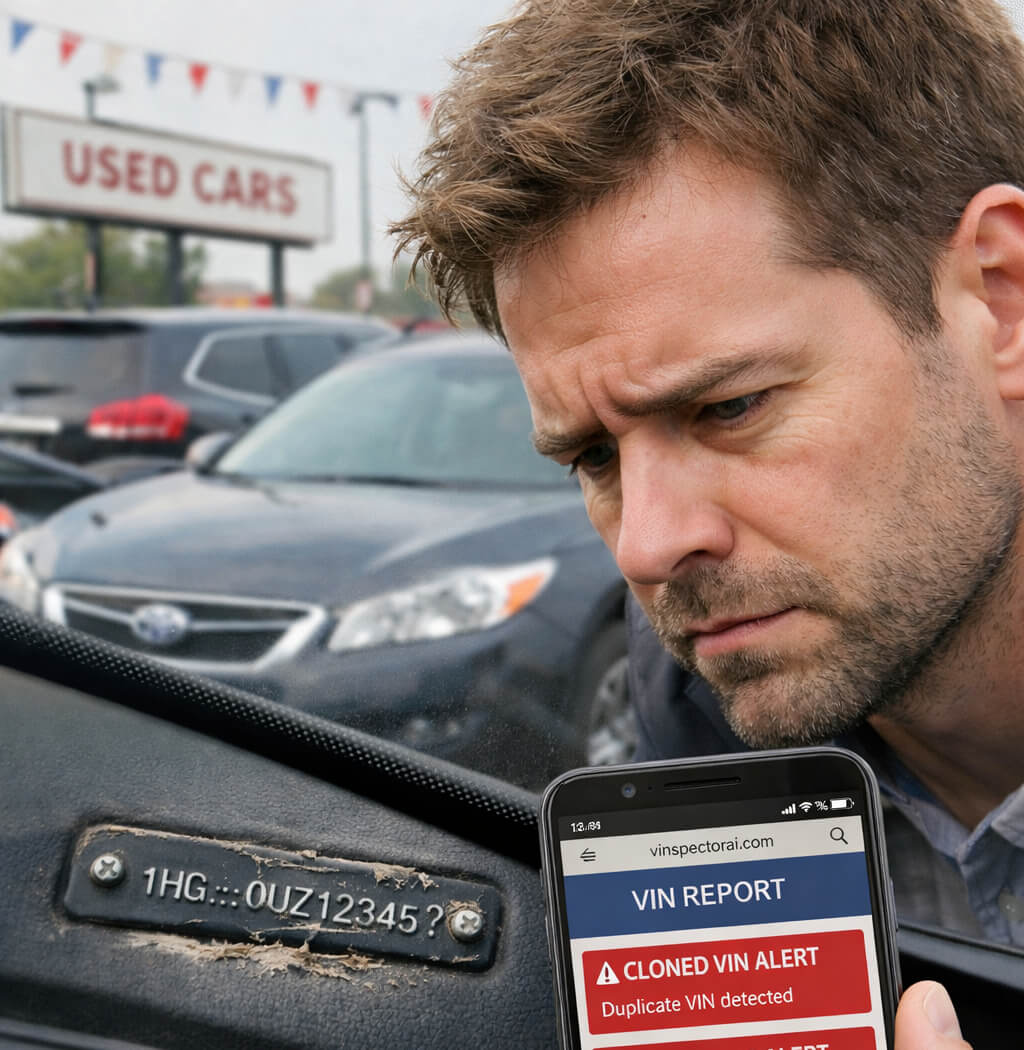
Facts About Fake VIN Numbers: Essential Guide for Used Car Buyers 2026
In early 2026, fake VIN numbers continue to pose a major risk in the used car market. VIN cloning—where thieves copy a legitimate VIN onto a stolen or salvaged vehicle—remains prevalent, with reports from Canada estimating hundreds of thousands of affected vehicles. Globally, fraud rings cause millions in losses annually. Knowing the facts about fake VIN numbers can protect you from buying a problematic car that could be seized or worthless.
Is It Easy to Fake a VIN Number?
Completely fabricating a VIN from scratch is difficult due to the 17-character standard (including a check digit) and multiple etched locations on modern vehicles. However, VIN cloning is relatively straightforward for criminals: they copy a real VIN from a similar legitimate car (same make/model/year/color) and apply it to a stolen one.
Professional fraudsters use specialized tools to replace plates and forge documents. While not "easy" for everyone, organized rings make it profitable—evidenced by cases involving thousands of cloned vehicles.
How to Spot a Fake or Tampered VIN Number
Detecting fake VIN numbers starts with physical and digital checks. Common signs of tampering include:
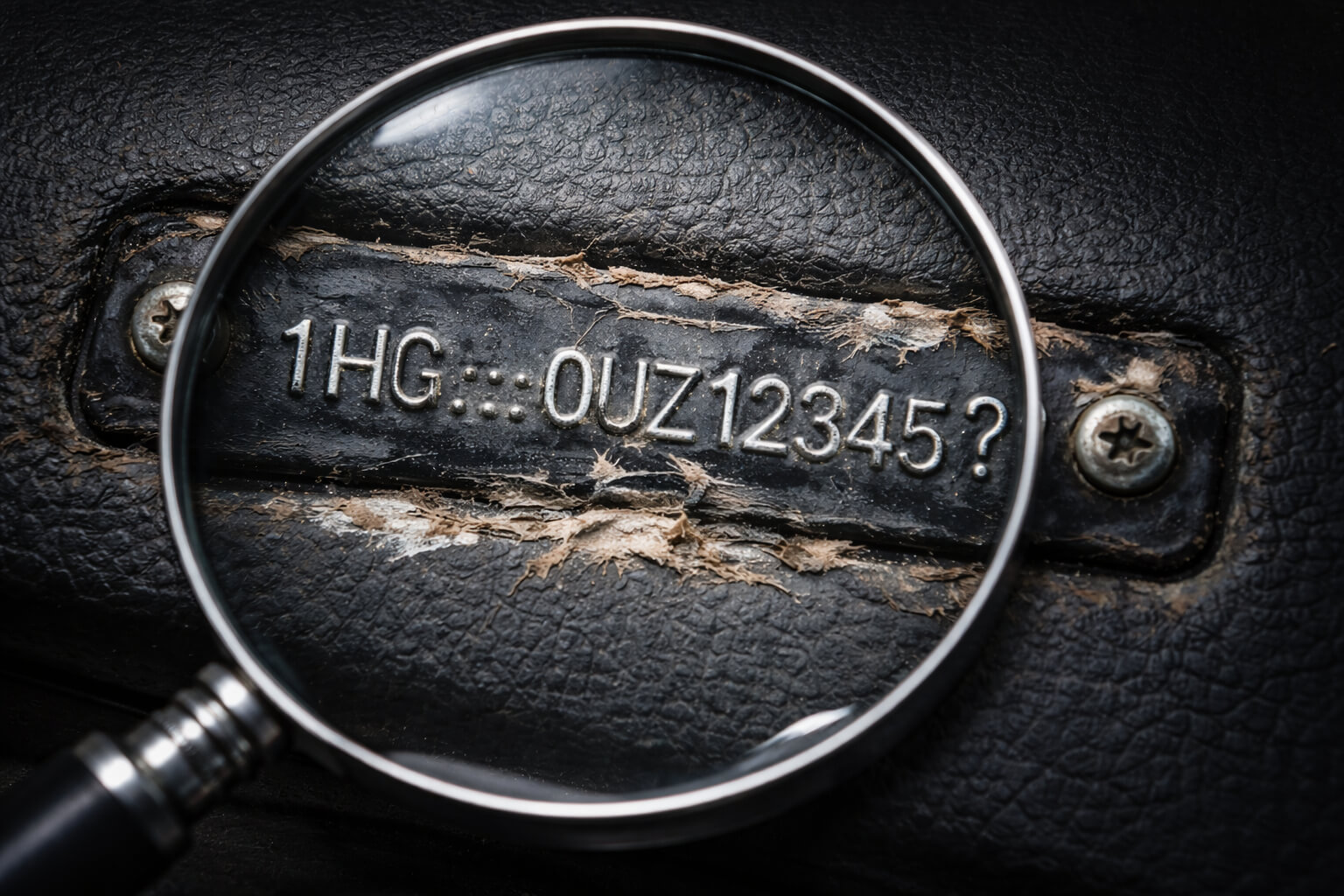
Physical red flags — Scratched, mismatched fonts, uneven spacing, loose rivets, or signs of removal on the dashboard, door jamb, or engine block.
Inconsistencies — VIN doesn't match across locations, title, registration, or insurance documents.
History mismatches — Vehicle specs (year, model) don't align with the VIN decode.
Suspicious deals — Unusually low price or reluctant seller.
Always inspect in person and use professional tools.
Why Verifying VIN Authenticity Matters in 2026
The used car market remains strong, with millions of off-lease and trade-in vehicles available. Unfortunately, fraudsters exploit this by cloning VINs from legitimate cars onto stolen or damaged ones. A single mismatched or altered digit can mask serious problems. Verifying authenticity early prevents financial loss, legal headaches, and safety risks.
Step-by-Step: How to Verify a VIN Number Is Authentic
Follow this proven process to confirm a VIN is genuine:
Locate and Cross-Reference All VIN Locations A real VIN appears in multiple places and must match exactly. Check:
Dashboard (driver's side, visible through windshield)
Driver's door jamb sticker
Engine block or firewall
Trunk or spare tire well (on some models)
Title, registration, and insurance documents
Any discrepancy is a major red flag.
Decode the VIN Manually Use free online VIN decoders to break down the 17 characters:
Characters 1–3: Manufacturer and country
Character 9: Check digit (verifies authenticity mathematically)
Characters 10–17: Vehicle-specific details (year, plant, serial)
If decoded info doesn't match the car (e.g., wrong year or model), investigate further.
Run a Comprehensive Vehicle History Report The most reliable way to verify authenticity is a full report from trusted services. These reveal:
Theft records
Salvage or flood titles
Accident history
Odometer readings
Number of previous owners
Cloning alerts (if the VIN appears on multiple vehicles suspiciously)
vinspectorai.com provides detailed, up-to-date reports similar to industry leaders—essential in 2026's data-rich environment.
Use Free Government and Nonprofit Resources Supplement paid reports with:
NICB VINCheck: Free theft and salvage lookup
NHTSA.gov: Recall and safety complaints
NMVTIS: Official title history (small fee via approved providers)
These catch basic issues but lack the depth of full reports.
Get a Professional Pre-Purchase Inspection Have an independent mechanic examine the car. They can spot:
Physical tampering (altered plates, mismatched etchings)
Hidden frame damage
Inconsistent wear for reported mileage
This step often uncovers issues digital reports miss.
Common Red Flags During VIN Verification
Physical Signs of Tampering
Scratched or misaligned VIN plates
Loose or replaced rivets
Mismatched fonts or spacing
Overly clean or painted-over areas around VIN labels
Digital and Document Warnings
History report shows title "branding" (salvage, flood, lemon)
Multiple states issuing titles in short time
Odometer readings decreasing over time
VIN linked to different vehicle specs
Common Methods Criminals Use to Fake VIN Numbers
Criminals employ several techniques to create fake VIN numbers:
Cloning — The most common: copying a VIN from a legitimate identical vehicle.
Plate swapping — Removing and replacing VIN plates/rivets from the dashboard or frame.
Re-stamping — Altering digits on metal surfaces (engine block, chassis).
Paper tripping — Forging title/registration documents to match the fake VIN.
Consequences of Buying a Car with a Fake VIN Number
Purchasing a vehicle with a fake VIN number can lead to severe issues:
Financial loss — The car may be seized by authorities if identified as stolen.
Legal problems — You could face charges for possessing stolen property (even unknowingly).
Insurance denial — Claims rejected due to fraudulent title.
Safety risks — Hidden salvage history might mean unrepaired structural damage.
In many cases, buyers lose their investment entirely. A quick check on vinspectorai.com before buying can prevent these nightmares.
What to Do If You Discover a Fake or Wrong VIN Number
If discrepancies appear:
Walk away from the deal immediately.
Report to authorities (police, NICB) and your state's DMV.
If already purchased, contact your insurer and seek legal help—the vehicle may be confiscated as stolen.
Never proceed; fake VINs often indicate serious underlying issues like theft.
Final Thoughts on Facts About Fake VIN Numbers
As used car demand stays high in 2026, facts about fake VIN numbers underscore the need for caution. Cloning and tampering fuel theft and fraud. Always verify history, inspect thoroughly, and avoid rushed deals. Protect your investment—start with a reliable VIN check at vinspectorai.com today!
Frequently Asked Questions
Get answers to common questions about Facts About Fake VIN Numbers: Essential Guide for Used Car Buyers 2026
Uncover Complete Vehicle History Reports
Discover critical vehicle information before you buy. Our VIN decoder reveals accident records, title status, recalls, and service history to help you make informed decisions.